By Islam El-Sakka
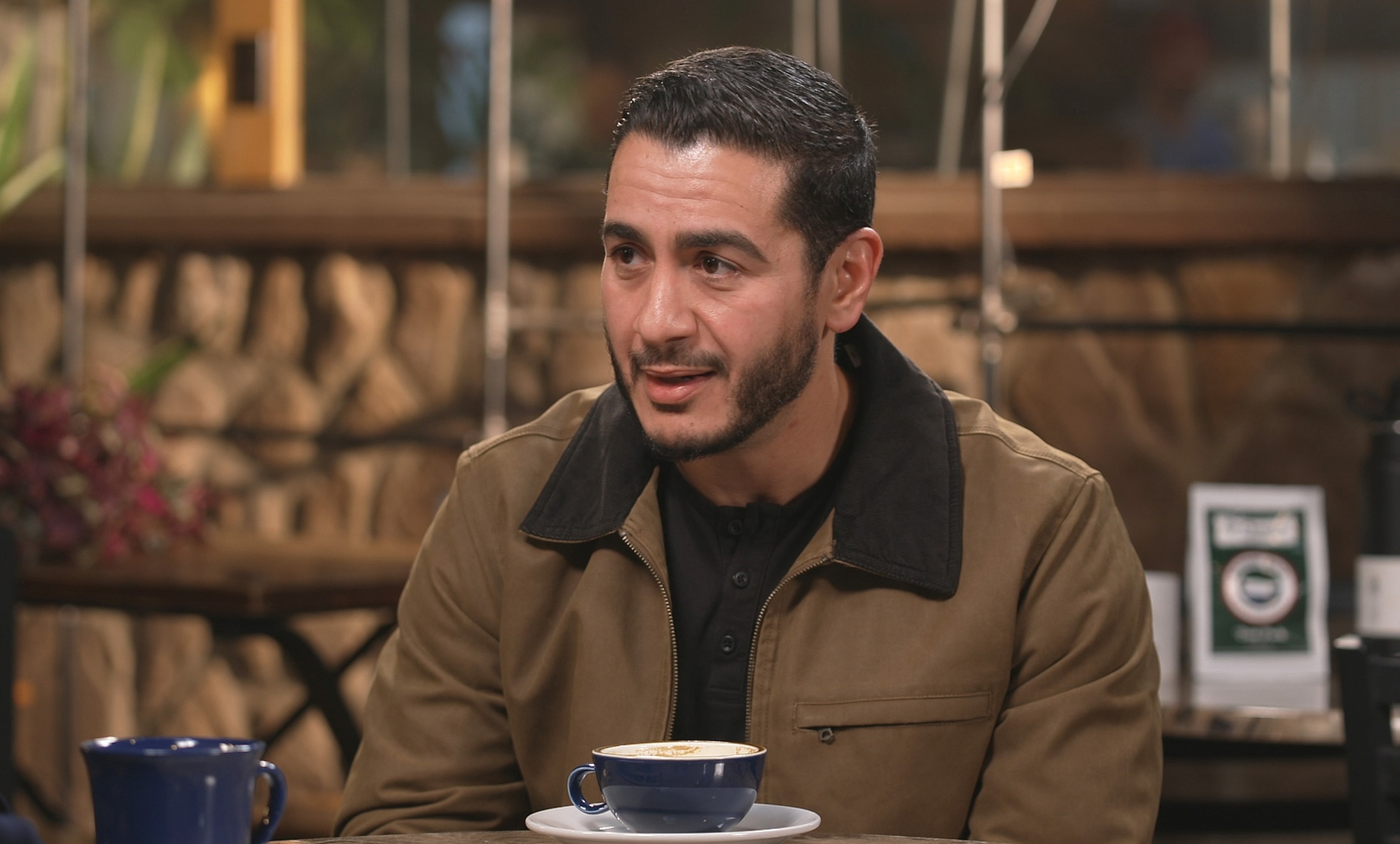
Democrat Abdul El-Sayed has won Michigan's highly contested U.S. Senate race, defeating Republican former Rep. Mike Rogers, NBC News projects. The victory makes El-Sayed, a 42-year-old epidemiologist and former public health official, the first Muslim elected to the chamber and extends a Republican drought in the state that dates back to 1994. He will succeed retiring Democratic Sen. Gary Peters.
Progressive Victory in Key Race
El-Sayed, aligned with the Democratic Party's left flank and backed by figures such as Sen. Bernie Sanders and Rep. Alexandria Ocasio-Cortez, campaigned on a platform of "Money out of politics, money in your pockets and Medicare for All." Polling indicated his message resonated with some Trump voters, helping him overcome a heavily funded opposition.
Overcoming Islamophobic Attacks
The campaign was marked by intense Islamophobic rhetoric from President Donald Trump, who repeatedly used El-Sayed's middle name, Mohamed, and falsely linked him to "jihadists" and the Muslim Brotherhood. At a rally in Port Huron, Trump declared he was there to keep a "jihadist Muslim Brotherhood member" from the Senate. El-Sayed denounced the attacks and retorted, "That'll be Sen. Mohamed to you, bro."
Primary Rival's Defection
In the race's final days, Rep. Haley Stevens, a defeated primary opponent who had pledged to support El-Sayed, endorsed Rogers after attending a church service with him. Stevens cited El-Sayed's position on Israel and his campaign's suggestion she was unwelcome at events as reasons for her switch.
Israel Policy Flashpoint
El-Sayed's criticism of the Israeli government, including accusations of genocide, became a consistent flash point. A group affiliated with the pro-Israel organization AIPAC spent more than $30 million in an unsuccessful effort to boost Stevens in the primary and re-engaged in the general election. Rogers and his allies tried to frame El-Sayed's stance as a loyalty issue.
Trump's Rhetoric and El-Sayed's Response
Vice President JD Vance also routinely attacked El-Sayed, a feud that originated from El-Sayed's sarcastic questioning of Vance's family background. El-Sayed said he looked forward to being sworn in by Vance. In his victory speech, El-Sayed told supporters, "They tried to confuse you... I love America," and addressed Rogers directly: "You chose hate, and Michigan chose hope."
Campaign Message and Voter Appeal
El-Sayed's ideologically focused slogan emphasized economic populism and universal healthcare. Despite being positioned firmly on the left, his message appeared to make inroads with voters concerned about rising prices, a dynamic that complicated Rogers' attempts to distance himself from Trump's tariff policies and the war in Iran.
Rogers' Struggles with Trump's Shadow
Rogers, 63, struggled to escape Trump's influence. In a late-campaign interview, he expressed reservations about the breadth of Trump's tariffs and offered a hesitant assessment of the Iran war, saying, "Well, we'll find out. I don't think so." These positions underscored his difficulty in carving out an independent identity.