By Basant El-Faramawy
As government advice urges households to prepare for emergencies, readers of The Independent have offered a wealth of practical tips on stockpiling food, managing power outages, and maintaining morale during crises. From expiry date myths to military rations, the advice reflects growing public interest in resilience amid global tensions and infrastructure failures.
Expiry Dates and Food Safety
Independent member Paul noted that expiry dates on tinned foods are often conservative and designed to protect producers. He cited instances of tinned foods remaining safe after decades, but warned that any can appearing inflated — a sign of botulism — must be discarded immediately.
Essential Equipment: Camping Stoves
Member Maverick1956 recommended a camping gas stove with a steady supply of cartridges, a small kettle, dried milk powder, and a deep frying pan that doubles as a saucepan. He emphasized that a hot cup of tea can solve many problems and that people need less food than they think.
Preservation Techniques from Abroad
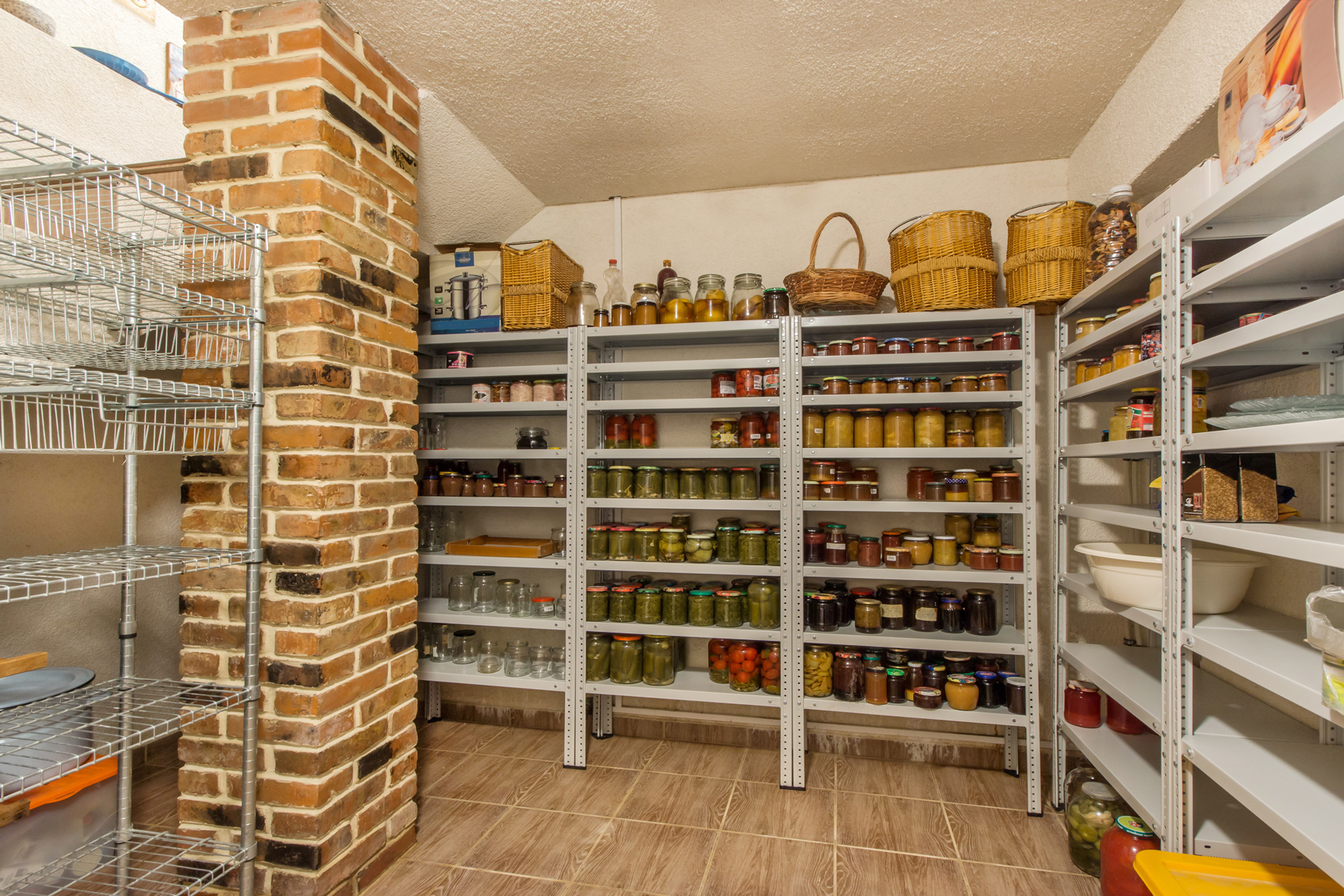
PhylisStein pointed to traditions in Scandinavian and Slavic countries where salting, smoking, freezing, and pickling allow households to last through winter. With a decent freezer and cupboard space, similar resilience is achievable at home.
Flavorings and Variety Matter
PaulH23 agreed with food writer Hannah Twiggs that bland food is unnecessary. His stockpile includes fried onions, dried chillies, tomato powder, onion and garlic powders, curry powder, nutritional yeast, soy sauces, chilli oil, salt, and flavour enhancers to avoid "going blandly into that good night."
Olive Oil Storage
Member KDM advised storing olive oil in a cool, dry place away from light, noting it does not require refrigeration but degrades above 18°C.
Military Rations: Pros and Cons
StigStag shared experience with 20-year shelf-life army rations, cautioning that once opened they must be consumed within 24 hours if kept chilled. He also noted that military catering packs come in 40-portion units, making them impractical for small households.
Social Media and Status Symbols
Writer Katie Rosseinsky observed that survivalism is becoming a status symbol on social media. Reader Timbotaxi listed premium items such as Belazu chickpeas, Ortiz sardines, lumpfish caviar, Waitrose pasta, wine, and a luxury camping stove, acknowledging that a nuclear strike would render preparations irrelevant.
First-Hand Experience from Power Cuts
User nocomment described a prolonged power outage in Spain, highlighting the value of a battery radio, solar power, and a one-month buffer of essential medications — lessons learned during Covid lockdowns.
Practical Preparedness vs Anxiety
Member Gray Goods argued that being prepared soothes nerves rather than fuelling anxiety. He dismissed the idea that rows of cans and a camping burner are status symbols, preferring personal reasoning over social pressure.
Tinned Seafood and Texture
Independent member xenocleia suggested tinned mussels in tangy sauce or squid in ink as alternatives to tuna and sardines, along with cold soups like gazpacho and dried fruit for texture variety without added sugar.
Military Surplus Rations
PorkRoll recommended modern military surplus field rations, such as US MREs or British equivalents, which are shelf-stable for at least five years, nutritionally balanced, and often include flameless ration heaters for hot meals in minutes.
Lessons from 1970s Power Cuts
Tanaquil2 recalled the 1970s UK power cuts, when a simple picnic stove provided soup, baked beans, and hot drinks. She advised investing in a small camping stove and spare gas cartridges as a proven, low-tech solution.