
By Sohaib Shams
A suspected cyberattack overnight hacked commercial refrigeration systems at supermarkets and meat suppliers across seven European countries, remotely raising temperatures to as high as 50°C (122°F) and spoiling millions of euros worth of fresh and frozen food.
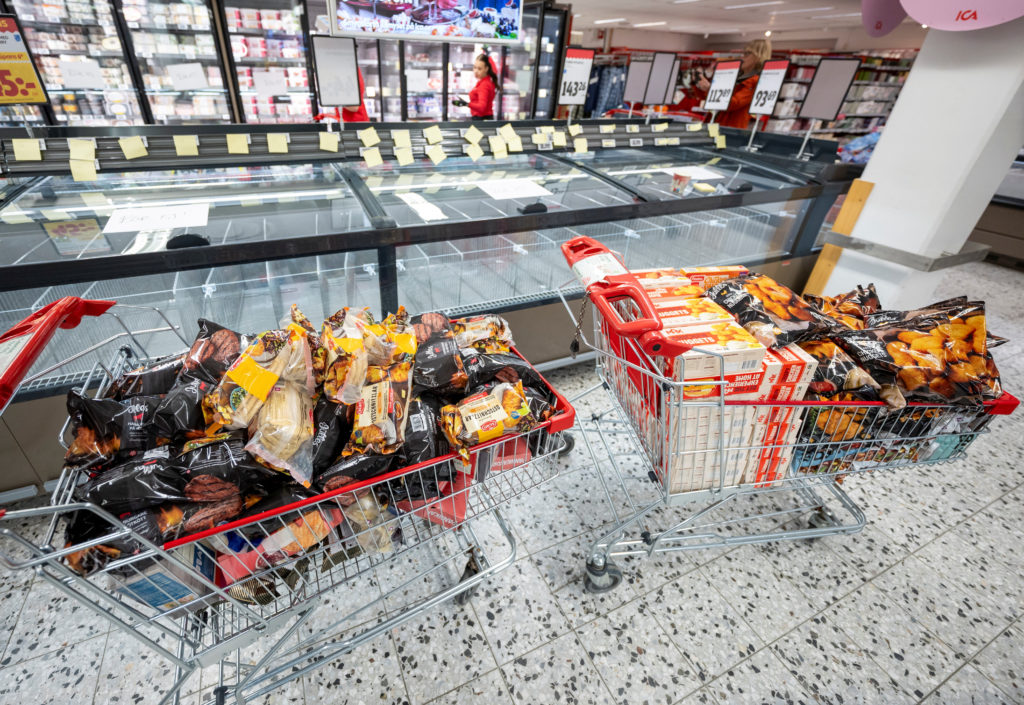
Supermarkets across Europe hit
Belgian branches of Carrefour, Intermarché and Ikea, Coop and ICA in Sweden, Delhaize in Luxembourg, Kesko in Finland, SuperValu in Ireland and stores in Estonia all reported compromised fridge controllers. The UK National Cyber Security Centre (NCSC) urged British retailers to urgently update their temperature‑control software, calling the incident a "wake‑up call" for outdated digital infrastructure.
UK meat suppliers also targeted
A handful of British meat suppliers saw fridge temperatures raised to 38°C, causing produce to spoil, according to trade magazine The Grocer. NCSC chief executive Dr Richard Horne said the centre worked through the night to alert potentially affected UK organisations and confirmed a "couple of impacts".
Previous incidents in France and US
French retailers recently discarded piles of food after similar fridge overheating, also attributed to hackers seizing internet‑exposed appliance management software. In August, six US military bases experienced fridge malfunctions now under investigation as a cyberattack.
How the hack works
Commercial fridges are often connected to the internet for remote monitoring, but their control software frequently goes long periods without security updates, leaving them vulnerable. Unlike phones or computers, these systems rarely receive regular patches.
UK warned of future AI‑powered attacks
An NCSC report predicts that between now and 2028, AI‑powered malware will be used in a ransomware attack on UK critical national infrastructure. Cyber minister Baroness Lloyd of Effra said too many organisations rely on legacy systems and have not implemented basic cybersecurity fundamentals, noting that the French supermarket breach exploited known vulnerabilities and weak passwords.


