
By Islam El-Sakka
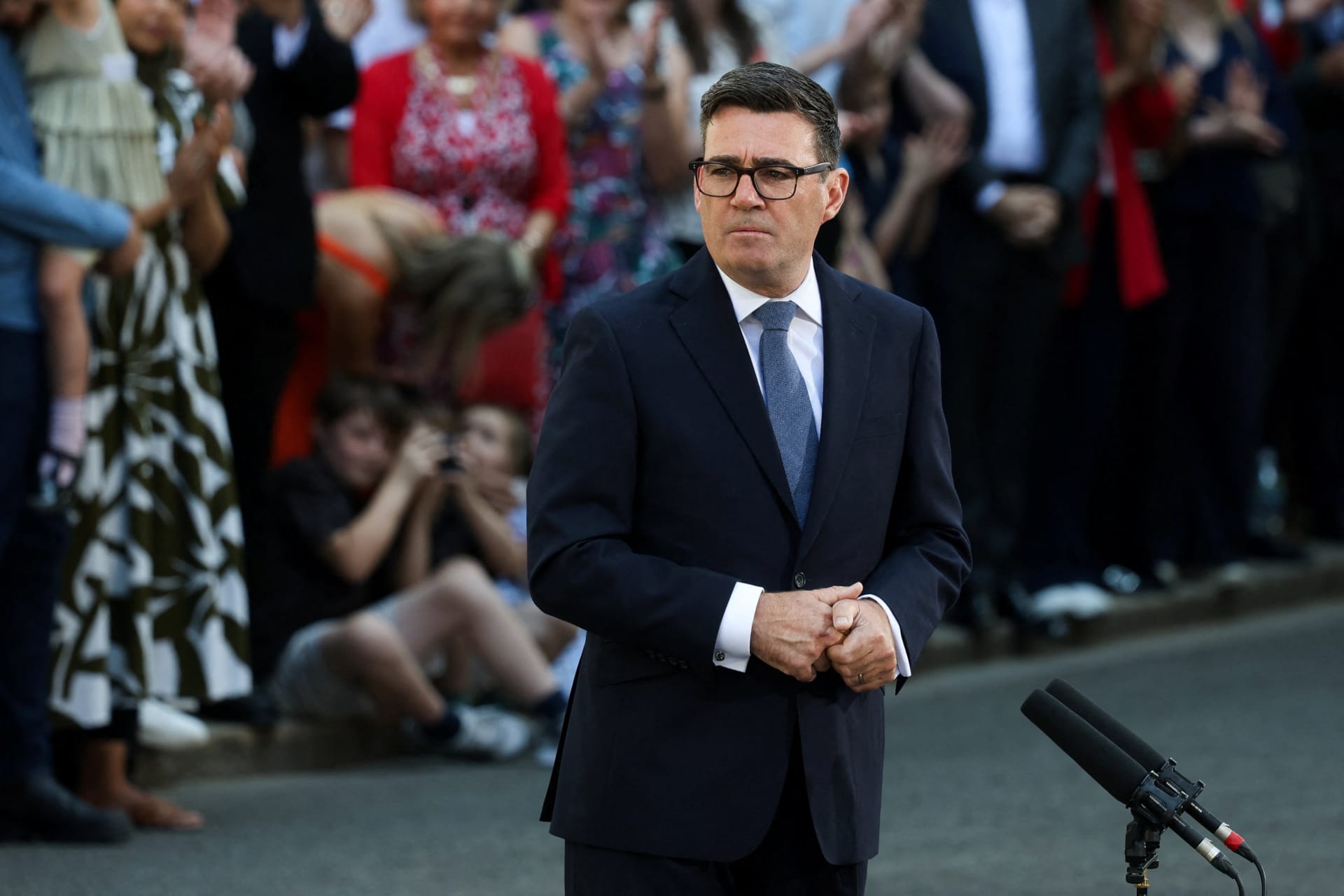
British Prime Minister Andy Burnham has signaled a willingness to discuss restoring freedom of movement with the European Union, telling reporters last week that Brexit has caused "more harm than good" and that the UK has lost immigration control since leaving the bloc. The comments come ahead of an international summit later this month where UK-EU relations are expected to feature prominently.
Burnham's evolving position on Brexit
Burnham, who leads a Labour government, previously stated in October that any return to a pre-Brexit movement agreement would require a national referendum. Last week he elaborated that the UK has lost the returns agreements that once helped manage migration, citing the small boats crisis as a consequence. He also noted that post-Brexit migration has shifted toward permanent settlement rather than the "revolving door" pattern seen during EU membership.
What a return to free movement would entail
A restored freedom of movement arrangement would end the current points-based immigration system for EU nationals and remove the 90-day Schengen limit for British citizens traveling to Europe. UK passport holders would regain the right to live, work, and study across all 27 EU member states without visas or employer sponsorship, along with access to reciprocal healthcare via the EHIC system and cross-border pension coordination. EU citizens would similarly be able to seek work in the UK without meeting skilled-worker salary thresholds or paying visa fees.
Migration patterns since the 2016 referendum
Official data shows net migration surged to a record 944,000 in the year to March 2023, driven by non-EU arrivals. Subsequent visa tightening in 2024 and 2025 — including a ban on most dependants and a higher salary floor of £38,700 — reduced net migration to around 171,000. Researchers at Oxford University's Migration Observatory note the new system has increased permanent residence among workers and opened routes for international students and healthcare recruits from countries such as India and Nigeria, while European net migration has turned negative.
Long road ahead for any agreement
A full return to freedom of movement is unlikely before the next decade. Burnham has pledged not to revisit Labour's Brexit red lines until after the next general election, due by 2029 at the latest, and insists any such move would require a referendum. Rejoining the European Single Market would also be necessary under most models, entailing lengthy negotiations. In the meantime, ministers are exploring smaller mobility deals, including a proposed two-way youth mobility scheme for people aged 18 to 30.


