By Salma El-Sakka
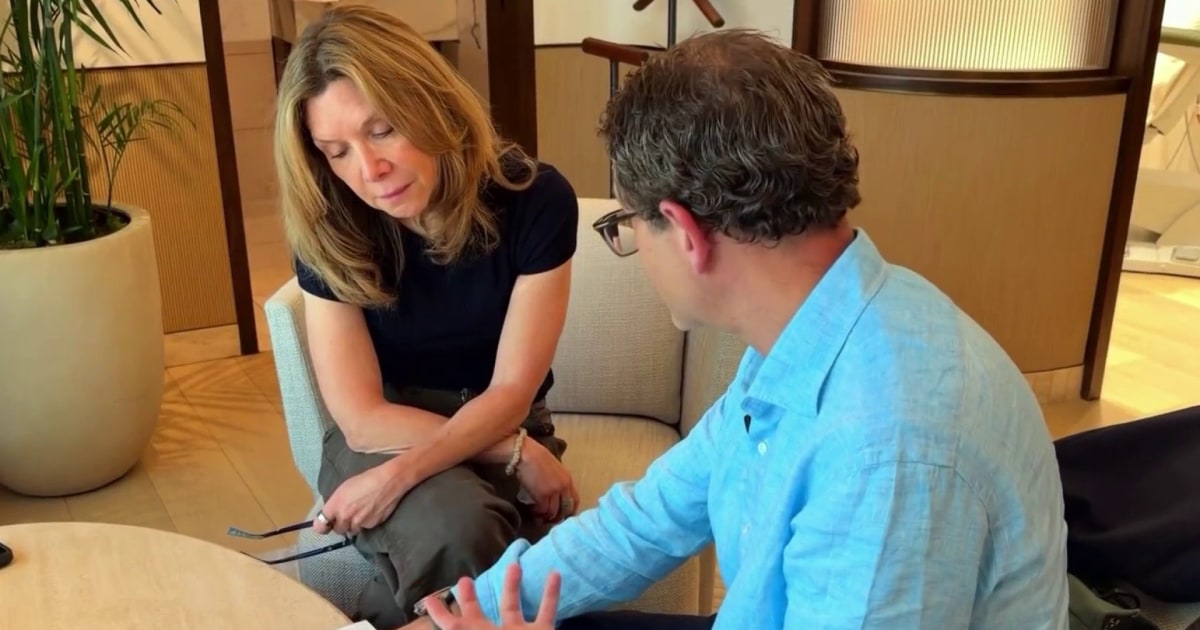
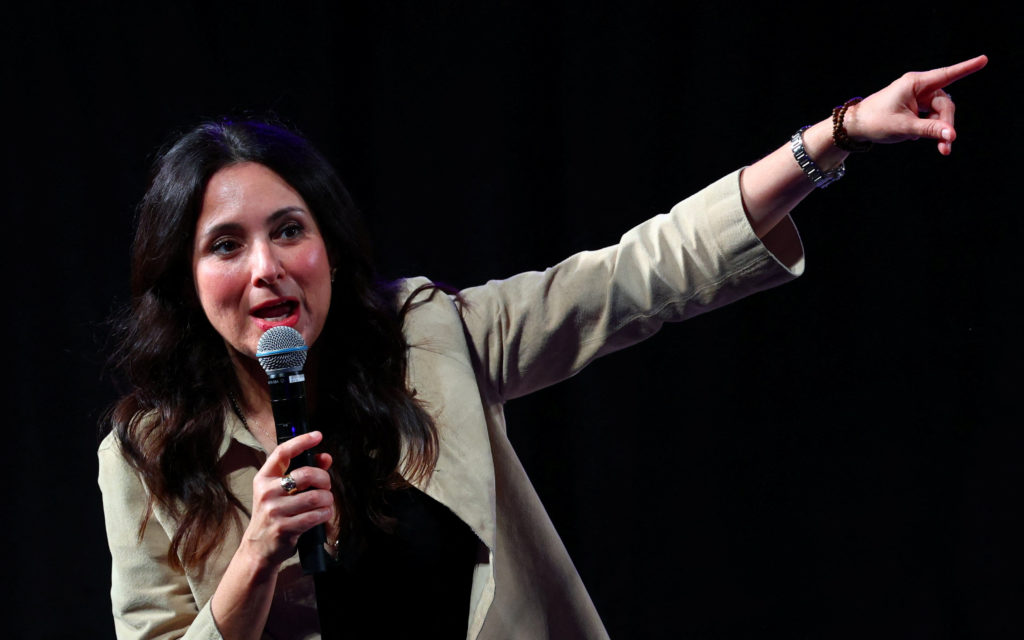
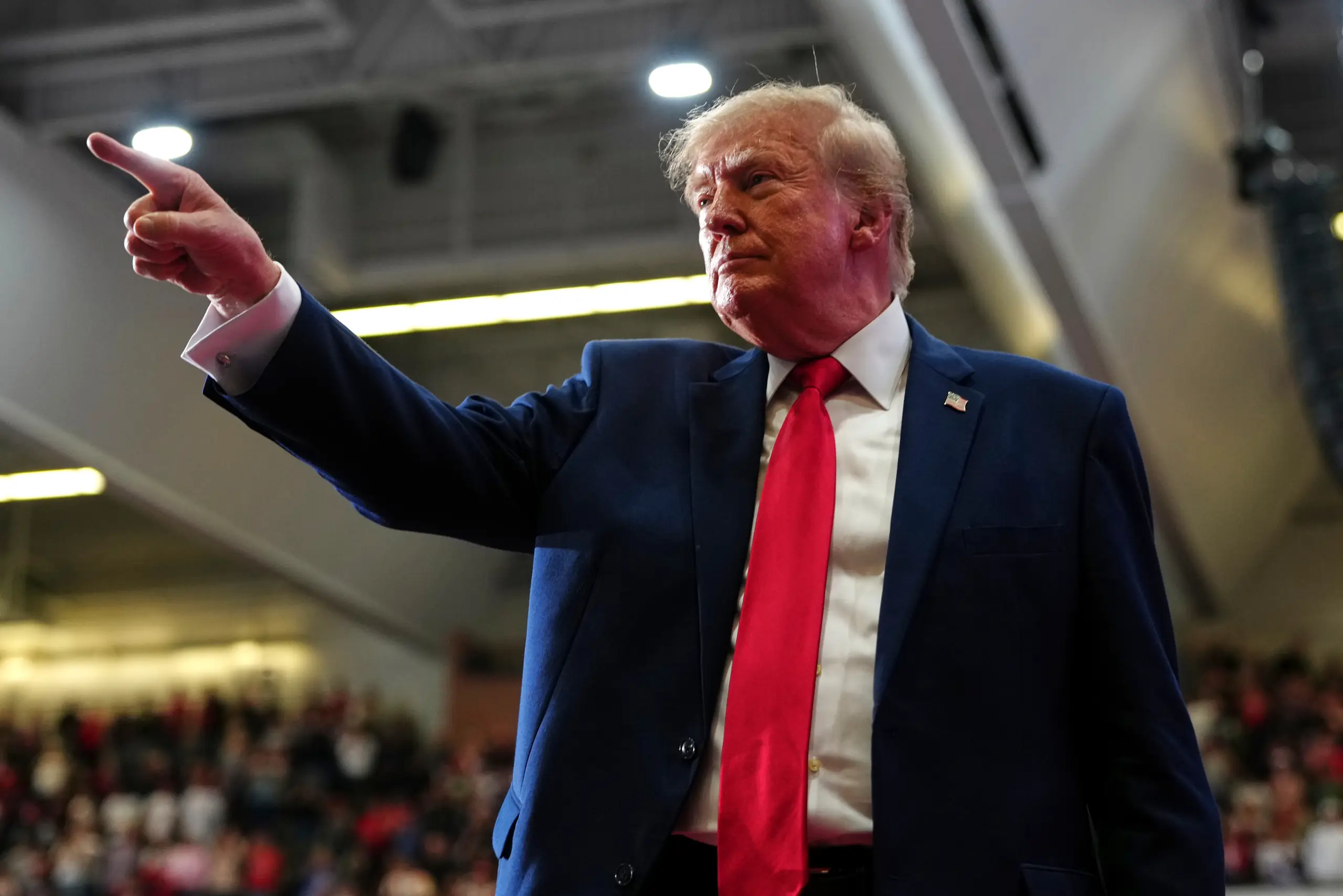
Donald Trump launched a 1,300-word attack on late-night host Bill Maher on Sunday evening, labeling the comedian a "total loser" during a social media tirade. The remarks targeted Maher following an interview the host conducted with former White House press secretary Karoline Leavitt on the program Real Time with Bill Maher.
Tensions rise after Leavitt interview
During the interview, Maher questioned Leavitt regarding the president's potential for "vengeance" should Republicans suffer losses in the upcoming midterm elections. While Leavitt maintained her support for the administration, Trump responded by calling Maher a coward who is afraid to acknowledge the country's progress. Trump further alleged that Maher praises him privately while insulting him through jokes on television.
Criticism of media and ratings
In his detailed post, Trump criticized the quality of Maher's HBO show, describing it as having low ratings. He also attacked the show's audience and production, dismissing the laughter on the program as artificial. Trump threatened that Republicans would stop covering Maher, despite the host being described by some as a transformative figure.
Context of the political climate
The outburst comes approximately one week before the US midterm elections. The attack follows a pattern of Trump criticizing late-night hosts, including previous calls for the termination of shows hosted by Jimmy Kimmel and Seth Meyers. The social media rant coincided with public polling indicating growing dissatisfaction with the administration's handling of the economy, the cost of living, and the war with Iran.
Personal accusations and past interactions
Trump addressed several specific points raised by Maher, including discussions regarding the justice department and rumors surrounding the White House press briefing room. Despite the hostility, Maher has previously dined with Trump twice during his second administration. In his rant, Trump leveled personal insults at the host, accusing him of excessive drinking and substance use during their meetings.