By Basant El-Faramawy
New research shows autism diagnoses in the UK and Sweden are increasingly linked to pre-existing conditions such as ADHD, anxiety and depression.
Sharp increase in diagnosis rates
In the UK, rates of new diagnoses rose from six per 100,000 people in 2010 to 64 per 100,000 in 2023. The study found a decline in autism diagnoses among people with epilepsy and intellectual disability, while diagnoses rose among those with stress, eating disorders, headaches and chronic fatigue.
Demographic shifts
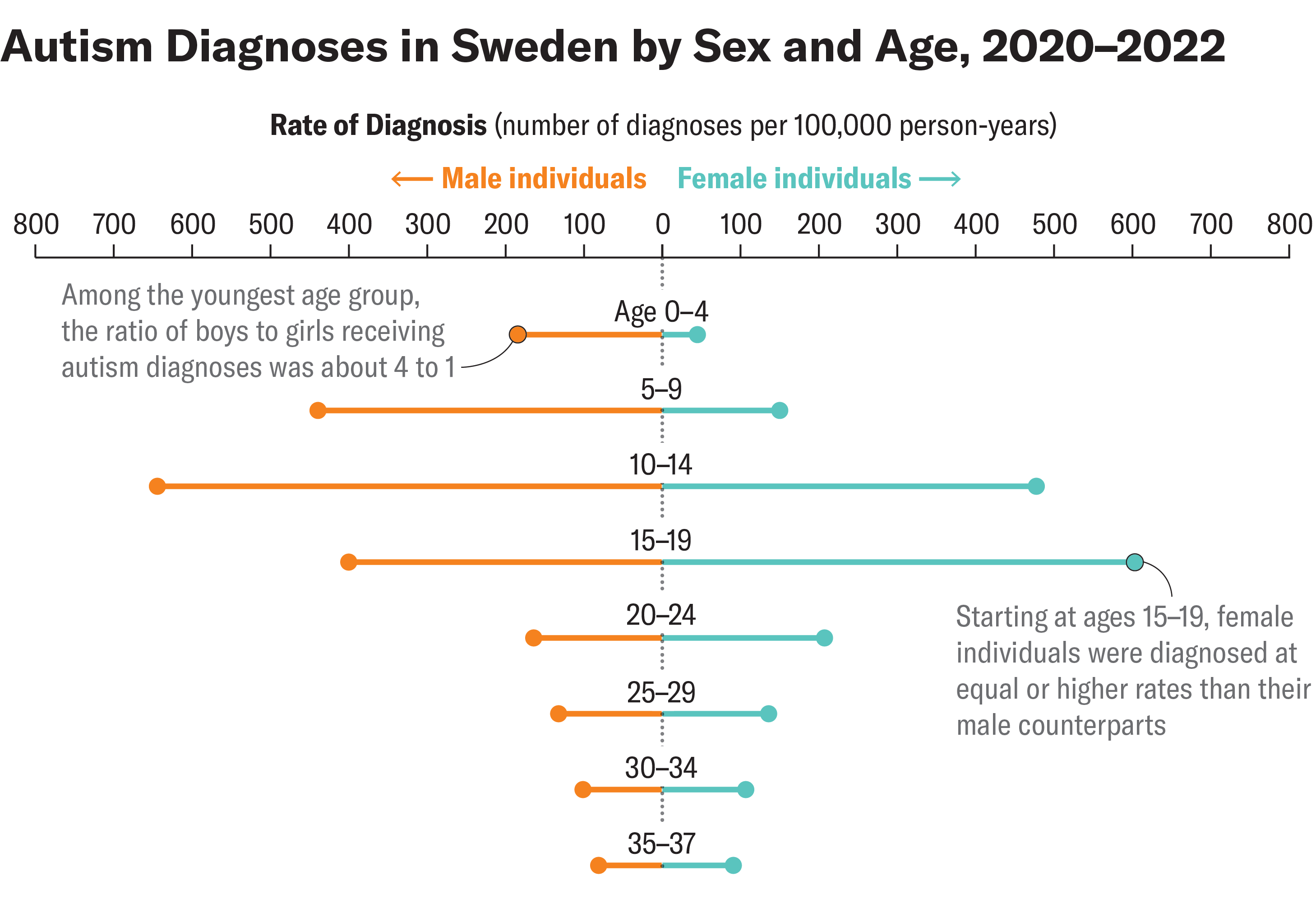
A rapid rise in diagnoses was recorded among 16- to 20-year-olds since 2010, alongside increases in women and white people compared to other ethnicities. The proportion of autistic adults with a prior anxiety diagnosis grew from 28.7 per cent to 58.3 per cent, while those with epilepsy fell from 10 per cent to 4 per cent.
Possible explanations
Researchers suggest several factors: broader diagnostic trends for mental health conditions, changes to diagnostic manuals making clinicians more willing to recognise co-occurring conditions, and improved recognition of female autism presentations. However, they cannot rule out misattribution of other conditions to autism.
Study scope
The analysis covered 24.5 million UK adults, including 141,119 with an autism diagnosis, and more than nine million people in Sweden, with around 100,000 autism diagnoses. Incidence was consistently higher in Sweden, but UK diagnoses rose rapidly after 2020, with the fastest growth among females and white individuals in the UK.
Call for support
Experts said efforts must be made to recognise and address the needs of autistic people with appropriate support, regardless of the reasons behind the rising diagnosis rates.