
By Salma El-Sakka
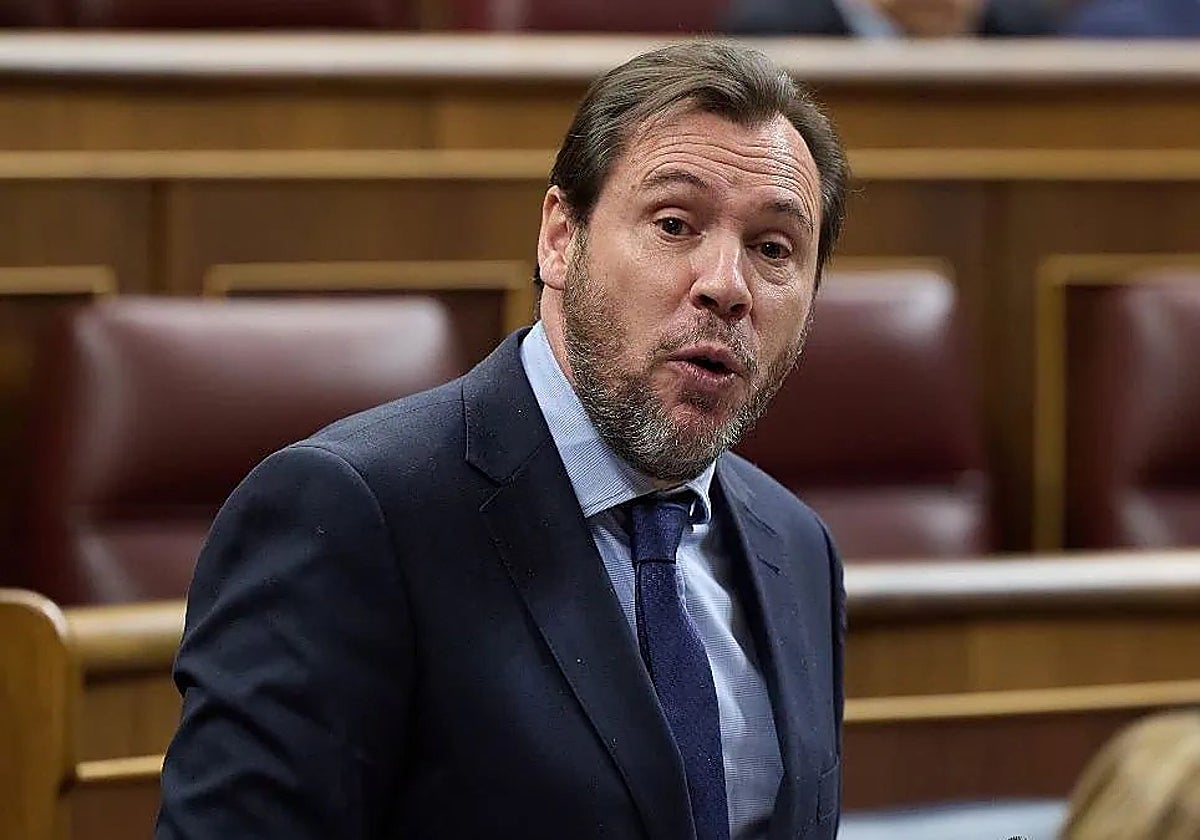
Spain's transport minister Oscar Puente announced his resignation on Tuesday, six days after a high-speed train collision south of Madrid left 69 people dead. He made the announcement after a lengthy appearance before lawmakers about the crash, the second deadly collision this year on the country's high-speed rail network.
Minister Cites Political Dignity
"A transport minister in a country like Spain cannot continue in his post after two accidents in less than a year," Puente told lawmakers. "It's a question of political dignity, coherence and empathy with the victims."
Chain of Events Leading to Crash
The crash on October 28 occurred when a high-speed train slammed into another that had stopped on the tracks. The disaster began when the communication system key to the security system on the Madrid-Seville line failed. Central controllers in Madrid then authorized one train to proceed despite a stationary train ahead.
British Scientist Among Victims
Among the victims was British scientist Dr. Marta Shahbazi, a leading expert in cell biology and embryology who headed a laboratory at the MRC Laboratory of Molecular Biology in Cambridge. The 41-year-old was traveling to southwestern Spain to receive an award from the Spanish Society for Developmental Biology.
Second Major Collision This Year
The collision was the second major incident on the Madrid-Seville line this year. In January, a train derailed and struck another traveling in the opposite direction further south along the route, killing 46 people. That crash remains under investigation.
Safety Concerns for High-Speed Network
The accidents have raised fresh concerns about the safety of Spain's high-speed rail network, the world's second-largest after China's. Until this year, the network had not experienced a deadly crash since its inception over three decades ago. The latest disaster came four weeks before a national election.


