By Fatma Younis
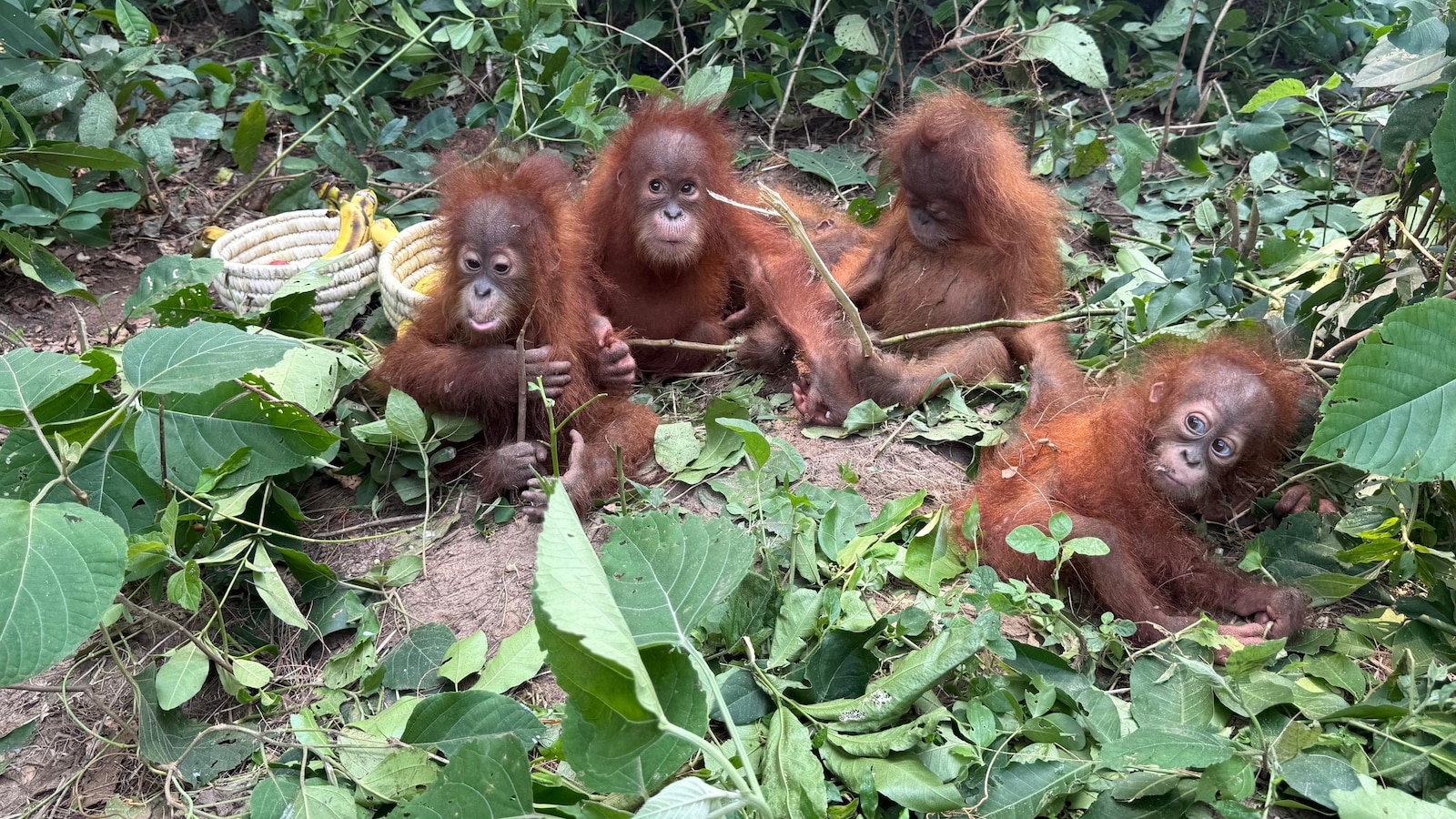
The discovery of five baby orangutans in an Indian forest has highlighted an expanding illicit trade of exotic primates. The infants, consisting of three males and two females aged six to eight months, were found in a plantation in Odisha, thousands of kilometers away from their native habitats in Borneo and Sumatra.
Expanding Illegal Wildlife Trade in India
Experts suggest that India has become a major destination for the live trade of primates, driven by wealthy collectors seeking rare animals as status symbols. A 2026 study by researchers at the National University of Singapore estimates the global illegal wildlife trade is worth $34 billion annually, with India emerging as a key market.
While India's wildlife laws focus heavily on protecting native species like tigers and elephants, regulatory gaps exist regarding imported exotic animals. The current system, which allows for the registration of exotic pets without strictly proving their origins, creates opportunities for traffickers to misrepresent illegally obtained animals as legitimate captive-bred specimens.
Controversy Surrounding Private Wildlife Facilities
The presence of these primates has also drawn scrutiny toward Vantara, a massive 3,500-acre wildlife facility in western India operated by billionaire Mukesh Ambani’s family. The facility has faced international questions regarding its acquisition of diverse species, including snow leopards, bonobos, and gorillas from non-native regions.
Specific concerns have been raised about a Tapanuli orangutan held at the facility. As the world's rarest great ape, the species is found only in a small area of Sumatra. Conservationists have questioned the legality of the animal's transfer from Indonesia to India, noting that such movements should not occur through legal channels under current treaties.
Efforts for Repatriation and Conservation
Indonesia’s Ministry of Forestry is currently taking active steps to repatriate the five baby orangutans found in Odisha. Experts are being deployed to verify the infants' health and origins. The infants are believed to have been traumatized by the likely loss of their mothers during the trafficking process.
Orangutans play a critical role in maintaining rainforest ecosystems by dispersing seeds. With the species listed as critically endangered, conservationists emphasize that the loss of these animals to the illegal pet trade significantly undermines global efforts to preserve biodiversity and manage carbon storage in tropical forests.