By Basant El-Faramawy
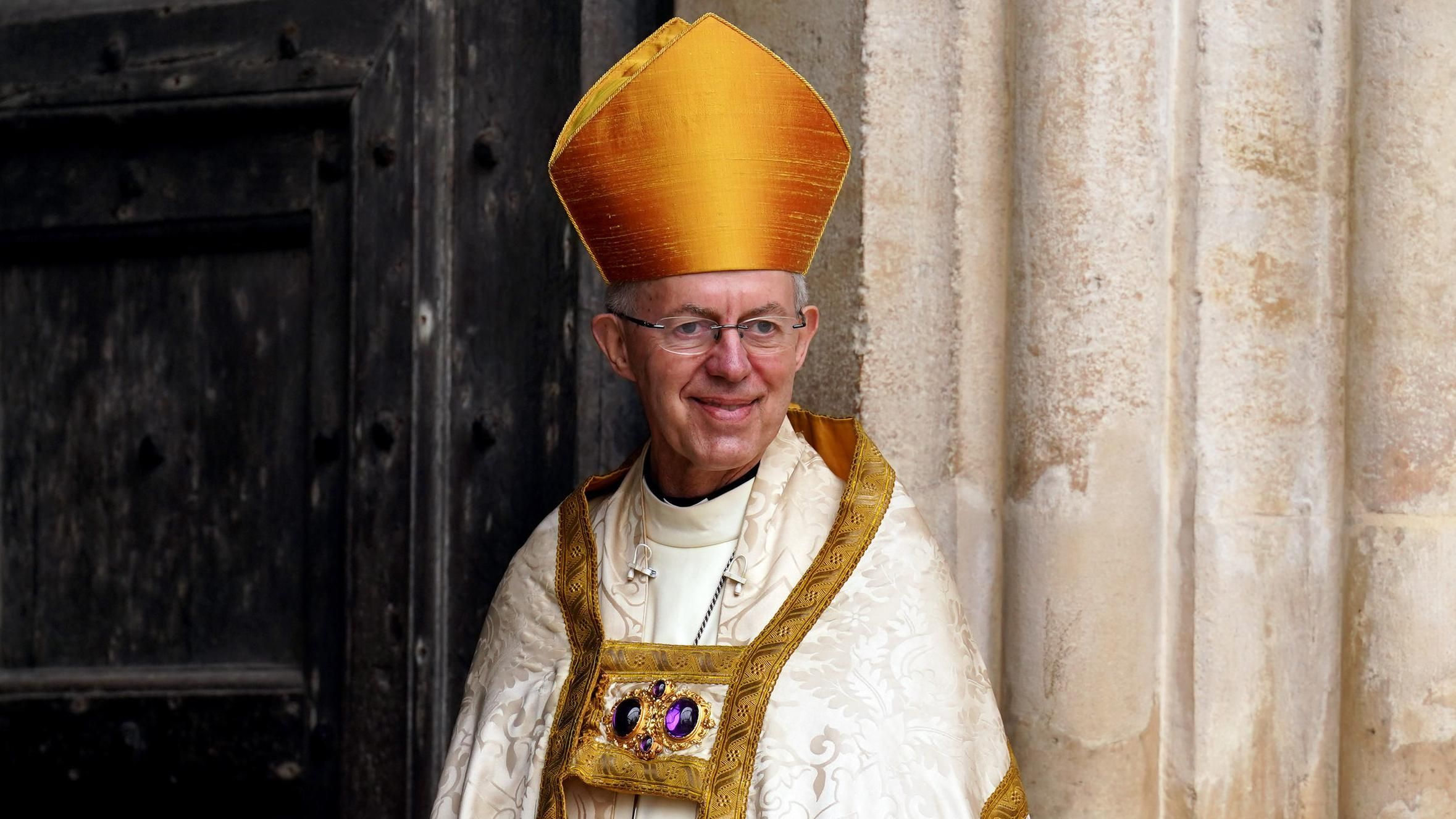
Former Archbishop of Canterbury Justin Welby has argued that slavery reparations would constitute a "vast unjust fine on the British people" in an article for The Independent.
Welby's Argument Against Reparations
Welby describes renewed calls for government compensation as "fake 'reparations'" and "futile and unjust." He writes that the UK of 2026 is fundamentally different from the empire of 1833, noting many British taxpayers are descendants of slaves or come from affected regions in West Africa.
Commonwealth Meeting Context
His comments come as King Charles and Prime Minister Andy Burnham attend the Commonwealth Heads of Government Meeting in Antigua, where Caribbean nations are pressing for reparations for Britain's historic role in the slave trade.
Financial Scale and Moral Objection
Welby recalls being told during a visit to Jamaica that Britain should pay $21 trillion in reparations, an amount exceeding the UK's total wealth. He argues that ordinary Britons of all backgrounds are suffering today and that group punishment based on nationality is a "moral evil."
Alternative Approach and Church History
The former archbishop suggests investing in new technologies and collaborating with Caribbean nations on shared challenges as a more constructive approach. He led the Church of England's £100 million pledge in 2023 to address its historic links to slavery, which he called a "source of shame."
Welby served as Archbishop from 2013 to 2025, resigning after a report into a prolific child abuser associated with the Church. The Church's investment fund, historically known as Queen Anne's Bounty, had held stakes in a slave-trading company.