By Fatma Younis
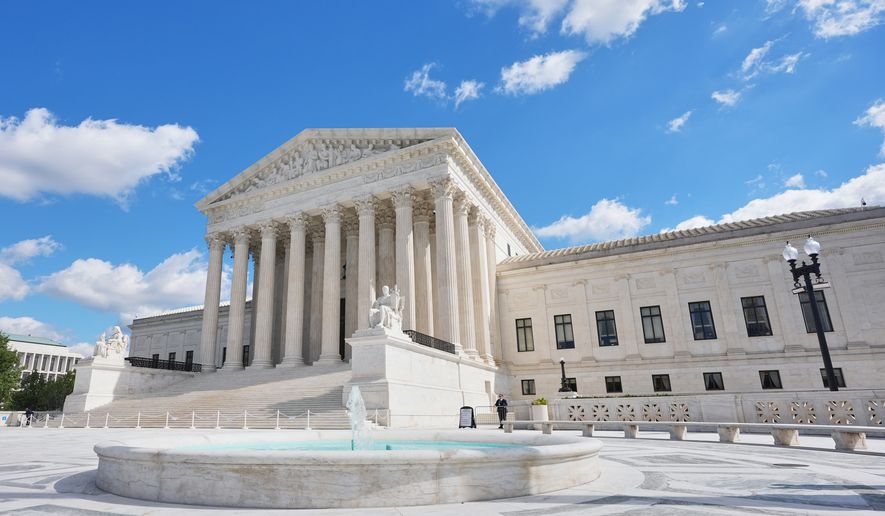
The U.S. Supreme Court heard arguments Tuesday in a case brought by Catholic preschools challenging their exclusion from Colorado's state-funded universal preschool program over admissions policies that bar children from LGBTQ+ families.
Arguments from Both Sides
Colorado argues that the preschools' refusal to admit children from same-sex households violates the state's anti-discrimination law. St. Mary Catholic Parish and the Archdiocese of Denver contend that their policy is rooted in religious teachings on marriage and that exclusion from the program infringes on their free-exercise rights. The Trump administration has filed a brief supporting the Catholic institutions.
Potential Impact on Precedent
A ruling in favor of the preschools could further narrow the 1990 Employment Division v. Smith decision, which held that religious practices do not exempt believers from generally applicable laws. That decision, written by Justice Antonin Scalia, has long been a target of conservative legal advocates.
Background of Colorado Program
The universal preschool program was created by a 2020 ballot measure and provides public funding for preschool at schools chosen by parents. The plaintiffs, represented by the Becket Fund for Religious Liberty, note that other preschools may prioritize children with disabilities or from low-income families, arguing that religious-based admissions should be similarly permitted. The Catholic preschools say enrollment has dropped 20% since the program began.
Previous Rulings and Context
The Court has previously sided with religious schools in similar disputes, ruling they cannot be excluded from public aid programs in Maine and Montana. In 2025, the justices deadlocked on a publicly funded Catholic charter school after Justice Amy Coney Barrett recused herself. Colorado maintains that its anti-discrimination rules justify the exclusion.