By Salma El-Sakka
A new research review confirms that keeping pet cats contained at home is the simplest way to help them live longer. Experts estimate that outdoor cats have lifespans at least two to three years shorter than cats that are kept securely on their owners' property.
Risks of Roaming
The review, conducted by researchers at Murdoch University, analyzed global studies on free-roaming cats. The top dangers include road traffic accidents, fights with other cats, falls, poisoning, and infectious diseases such as Feline Immunodeficiency Virus (FIV). In a UK study, road accidents were the leading cause of death for cats up to eight years old, with European data suggesting 18–24% of cats are hit by cars during their lifetime, and about 70% of those incidents are fatal.
Global Evidence
Camera and tracking studies from the United States, New Zealand, and Australia show similar patterns. In one U.S. study of 55 cats, 45% crossed roads and 25% risked poisoning by eating or drinking away from home. Australian radio-tracked cats averaged nearly five road crossings per day. A Western Australian study over eight months recorded two poisonings, a leg amputation from a traffic accident, dental fractures from a fall, and multiple fight-related injuries requiring veterinary care.
Containment Solutions
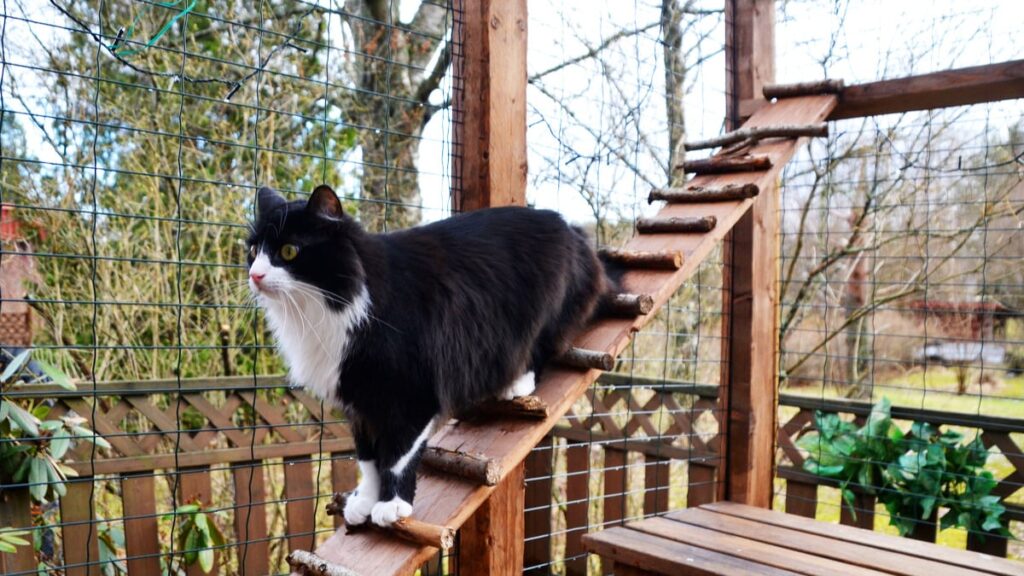
Containment does not mean keeping cats indoors at all times. Researchers highlight options such as modifying backyards with fence-top rollers to prevent escape, or building a "catio" – an enclosed outdoor space that allows cats fresh air and sunshine while remaining safe. Extensive guidance is available on keeping contained cats happy and healthy.
Research Background
The review was authored by Associate Professor Mike Calver, assistant researcher Heather M. Crawford, and Professor Trish Fleming, all from Murdoch University. The article was originally published in The Conversation under a Creative Commons licence.