By Salma El-Sakka
A ten-year scientific investigation of museum specimens has uncovered two previously unrecognised bandicoot species and several new subspecies, significantly altering the understanding of Australia's short-nosed bandicoot genus, Isoodon.
Decade-Long Research Across Global Collections
Beginning in 2016, researchers examined hundreds of historical and modern specimens held in museums across Europe, the United States, Australia, and New Guinea. The team combined DNA analysis with detailed skull measurements to reassess relationships among bandicoot populations.
New Species and Subspecies Identified
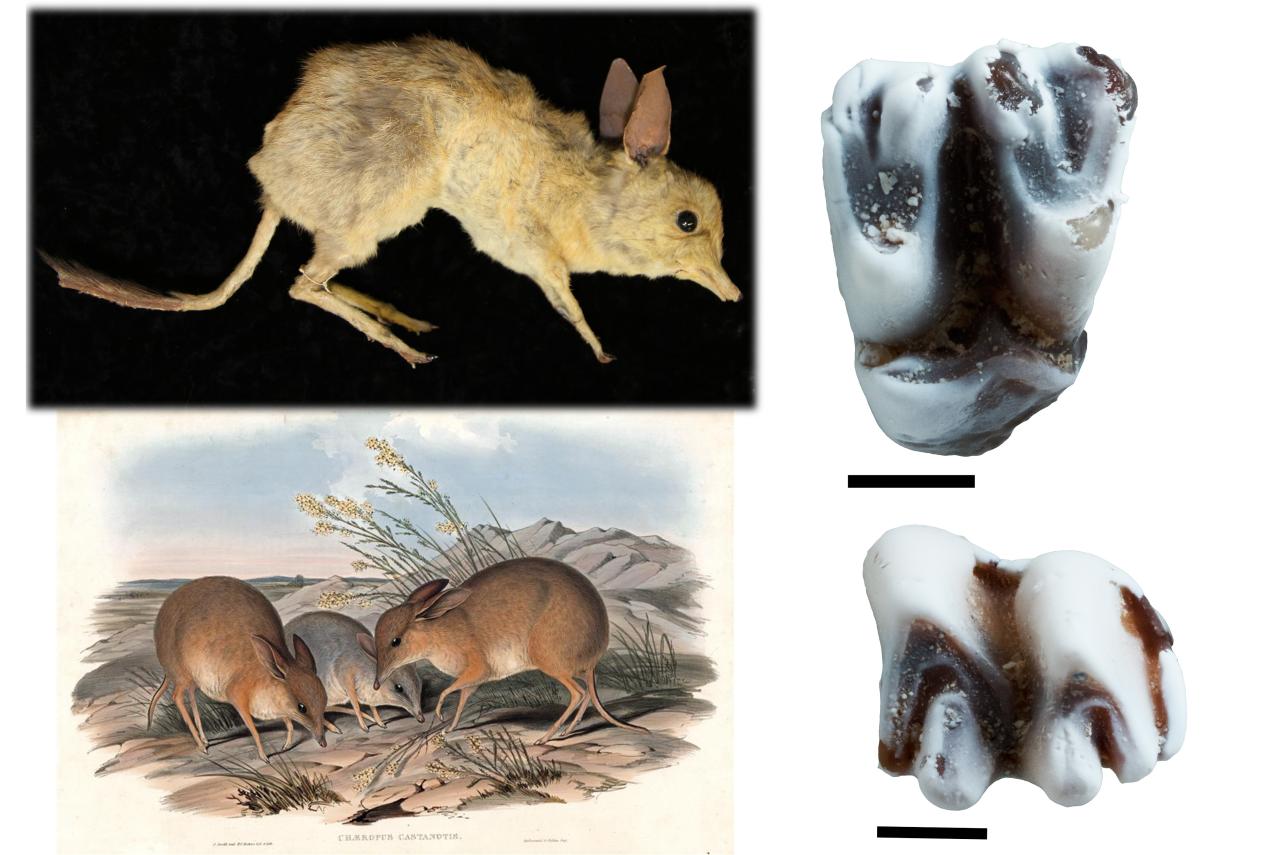
The study formally describes the little brown bandicoot (Isoodon microtis), a species from South Australia believed to have become extinct around a century ago. Specimens had remained unnoticed in collections for generations. The research also elevates the New Guinea brown bandicoot (Isoodon moresbyensis) from a subspecies to a full species distinct from the northern brown bandicoot (Isoodon macrourus).
Reshaping Regional Diversity
Previous classifications listed only the southern brown bandicoot (Isoodon obesulus) in South Australia. The revision reveals the state once hosted three species: the southern brown bandicoot, the newly recognised little brown bandicoot, and the quenda (Isoodon fusciventer).
Research Team
The project was led by Kenny Travouillon, Curator of Mammals at the Western Australian Museum and Curtin University, alongside Matthew Phillips of Queensland University of Technology, Steve Cooper of the South Australian Museum and Adelaide University, and Terry Bertozzi, also of the South Australian Museum and Adelaide University.