By Fatma Younis
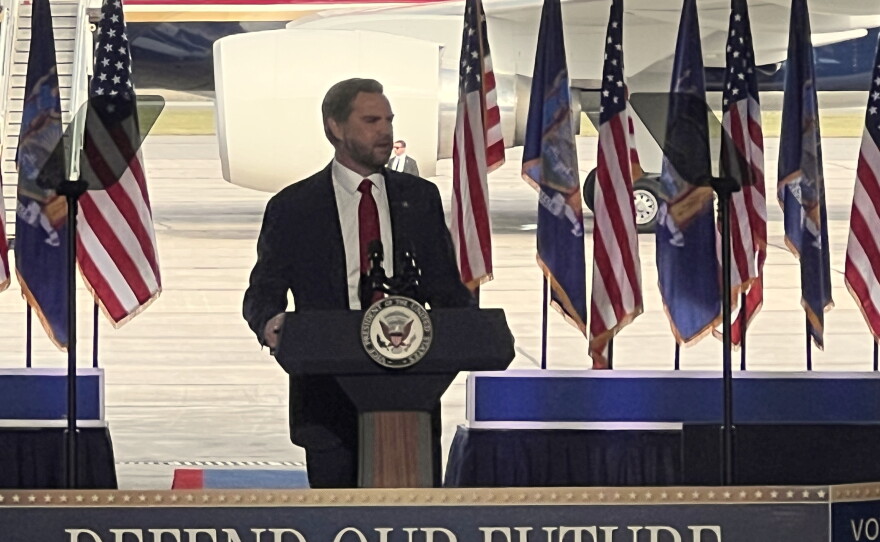
The United States launched limited strikes on Iran's Qeshm Island late Monday, hours after Vice President JD Vance said he was optimistic that diplomatic efforts to end the war were moving in the right direction. The strikes, disclosed by Iranians on social media and confirmed by US Central Command, came on the eve of crucial midterm elections in which President Donald Trump's Republican party is expected to face voter backlash.
Defensive Strikes Target Missile Batteries
The US described the attacks as defensive, aimed at missile batteries from which Iranian forces had targeted US aircraft the previous day. Inside Iran, initial blame fell on Israel, but officials later acknowledged US responsibility. Israel insisted it had no role. Similar military exchanges have occurred at least three times since major hostilities paused, as both sides jostle for control of the Strait of Hormuz.
Diplomatic Talks Hang in Balance
Mediators believe it will become clear within two days whether a basis for continued indirect talks exists. The US tried to downplay the strikes, stressing they were not a precursor to a major assault Trump has threatened after the midterms if Iran's nuclear program remains a threat. Iran's deputy foreign minister, Kazem Gharibabadi, said the country remains in a state of war and retains the right to legitimate defence until military aggression ends permanently. He added Iran does not tie its foreign policy to other nations' elections.
Iran's Conditions and Negotiating Position
Chief negotiator Mohammad Ghalibaf warned that any US miscalculation would provoke an unpredictable Iranian response, suggesting attacks could extend to US bases in Europe. Qatar's mediation continues, but a gap persists over the upfront commitments Iran must make to irreversibly end its nuclear program, a phrase used by Vance. Vance proposed restarting talks in a letter to Mohsen Rezaei, secretary of the supreme national security council, yet no direct contact has occurred. Rezaei rejected the US response as inadequate, demanding Washington address Iran's seven conditions, including unfreezing assets abroad and lifting oil sanctions. Iran has offered to lift its blockade of the Strait of Hormuz within two days of US economic concessions, but refuses upfront concessions on UN inspector access or shipping 400kg of highly enriched uranium abroad. A likely compromise involves down-blending the stockpile inside Iran under international supervision with an external guarantor such as China.
Regional Concerns and Trump's Rhetoric
Gulf states fear Iranian retaliation if the US mounts a larger assault and are desperate to avoid further economic damage. Qatar's foreign ministry spokesman, Majed al-Ansari, said both sides remain committed to the process. Speaking to Fox News before polls opened, Trump downplayed the conflict, saying "there's no war raging" but acknowledged the US might still target "Pickaxe Mountain," a fortified underground site suspected to be a nuclear facility. He hailed a sharp drop in oil prices as his administration touted renewed diplomatic efforts, with rising petrol prices a signature issue in the midterm campaign.