By Karim Hammam
Plastic bags and other soft, stretchy plastics cannot be placed in household recycling bins because they clog sorting equipment and contaminate the recycling stream. In 2018 alone, more than three million tons of plastic bags, sacks, and wraps were sent to U.S. landfills, where they persist for centuries and release microplastics.
Why Plastic Bags Disrupt Recycling
When plastic films enter curbside recycling systems, they wrap around machinery and halt operations, making the process counterproductive. Chemical engineering expert Erha Andini notes that these materials often clog equipment even before shredding, damaging facilities and reducing the efficiency of recycling other materials.
Identifying Recyclable Plastic Films
Plastic films are soft, flexible packaging such as grocery bags, bread bags, cereal liners, and toilet paper overwrap. Look for the recycling symbol with a number inside: numbers 2 and 4 indicate high- or low-density polyethylene, which are accepted at designated drop-off bins. Multi-layer films, like meat wrap, lack these numbers and are not recyclable through standard programs.
Drop-Off Locations and Preparation
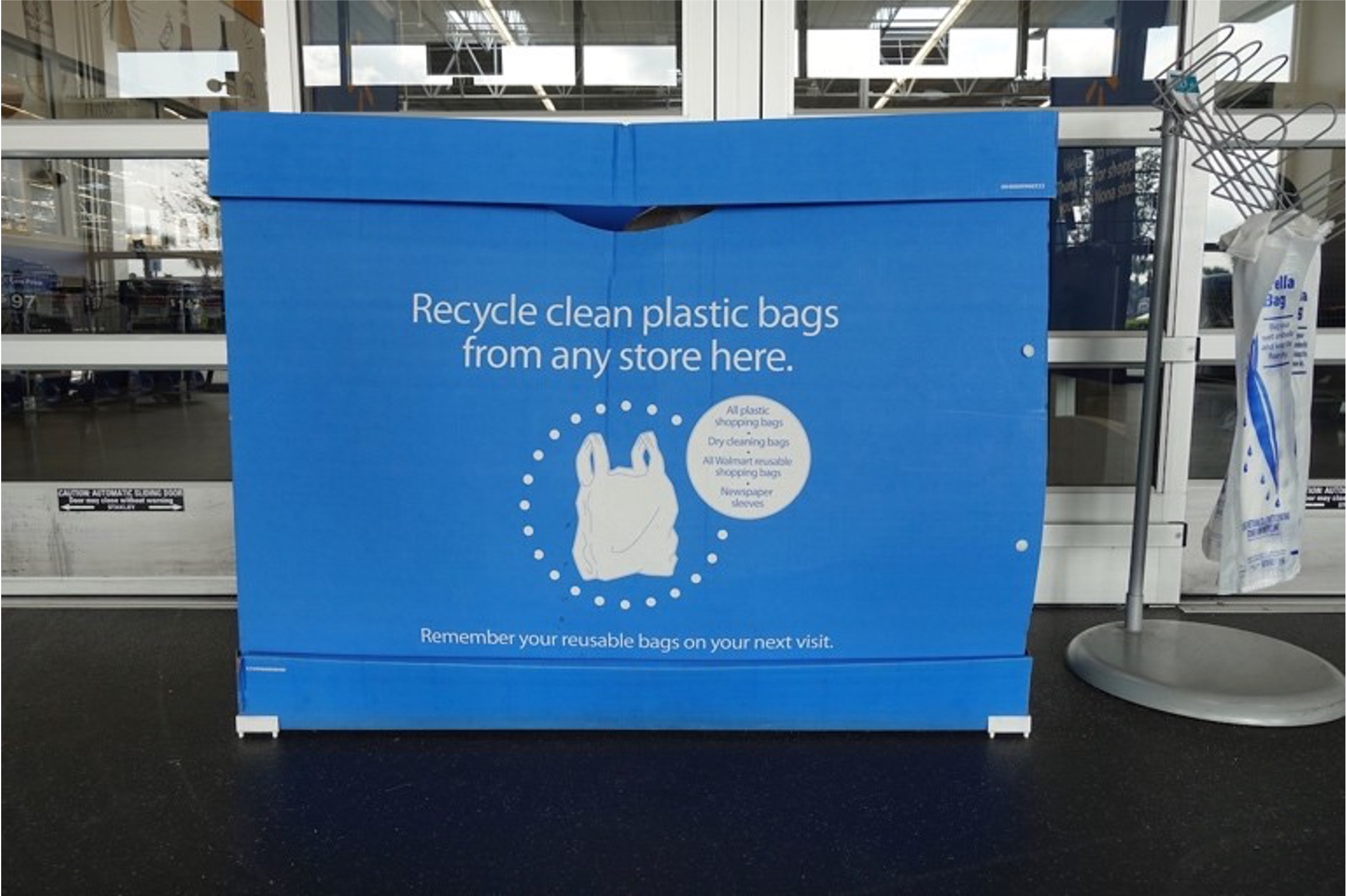
Clean, dry plastic films labeled 2 or 4 should be taken to drop-off bins at grocery or convenience stores. Companies like Trex, which manufactures decking from recycled films, provide online locators by zip code. Before dropping off, remove receipts and ensure items are free of food residue and not overly degraded.
Alternative Reuse and Donation Options
Where store drop-off programs have ended, local organizations may accept donations. The NOVA Creative Reuse Center in Virginia repurposes bubble wrap for artwork, while Precious Plastic NYC melts plastics into clipboards and hangers by appointment. Online tutorials also show how to crochet plastic yarn into reusable totes.
Reducing Plastic Film Consumption
Experts recommend using reusable grocery and produce bags, choosing unpackaged produce, and shopping locally or secondhand to avoid shipping packaging. While plastic wrap extends food shelf life, small swaps — such as buying loose apples instead of pre-wrapped bunches — reduce overall volume.
Reusing Existing Bags
Extending the life of bags already in hand is a simple, effective step. Reuse grocery bags for multiple trips, line bathroom trash cans, repurpose newspaper bags for pet waste, or store wet beach items. Plastics engineering expert Meg Sobkowicz emphasizes that incremental changes are better than doing nothing, and recycling facilities benefit from cleaner streams.