By Fatma Younis
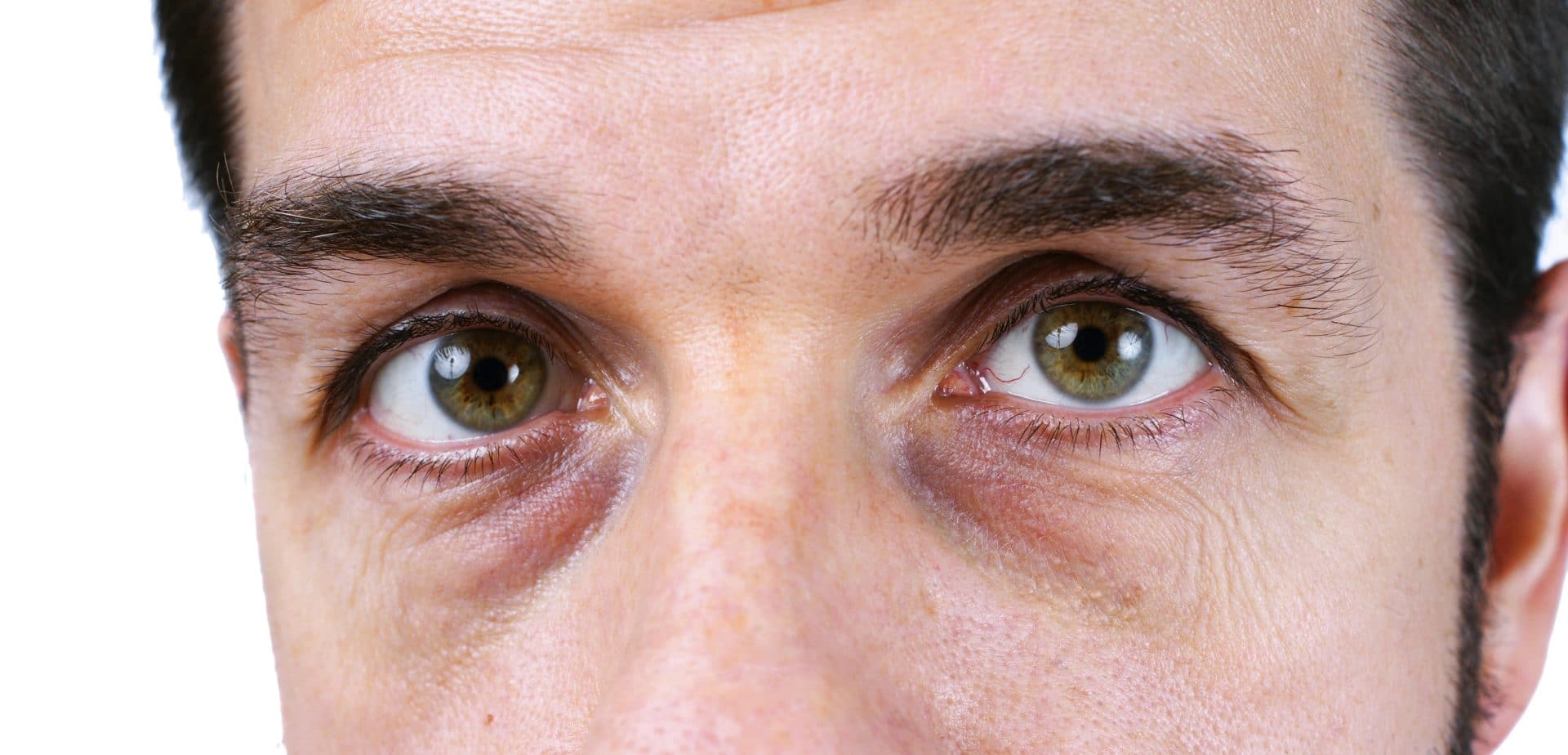
A new social media trend known as “ferritin face” has gained traction on platforms like TikTok, with users claiming that low iron levels manifest as visible facial changes, such as dark circles under the eyes and pale or greyish skin. While some influencers suggest that increasing ferritin levels can transform a complexion, experts warn that the link between facial appearance and iron stores is more complex than social media suggests.
The Science of Ferritin and Iron
Ferritin is a protein responsible for storing iron in the body. A ferritin blood test serves as an indicator of the body's iron reserves, providing a more stable measurement than iron levels alone, which can fluctuate daily. Iron is a critical nutrient required for growth, immune function, and energy production, as it is essential for the production of hemoglobin, the protein that carries oxygen through the bloodstream.
Symptoms and Risk Factors
When iron levels drop significantly, it can lead to anemia, a condition where the blood lacks sufficient oxygen. Certain groups are at a higher risk for deficiency, including pregnant women, individuals with heavy menstrual periods, people with inflammatory bowel diseases, and vegetarians or vegans. Common symptoms of low iron include fatigue, weakened immunity, mouth sores, brittle nails, hair loss, and pale skin.
Distinguishing Medical Reality from Social Media Trends
While severe iron deficiency can cause paleness, experts note that there is no such thing as a distinctive “ferritin face.” Other factors such as stress, dehydration, lack of sleep, or hormonal changes can produce similar visual symptoms. Furthermore, the rise of social media has blurred the lines between medical advice and marketing, with brands often promoting supplements as quick fixes for skin issues.
Risks of Excessive Supplementation and Dietary Solutions
Taking iron supplements without medical supervision carries risks, as excessive iron can be toxic. Symptoms of iron toxicity range from nausea and diarrhea to more severe complications like low blood pressure, blood acid buildup, and liver failure. For those with a genuine deficiency, dietary adjustments are often the best starting point. The body absorbs heme iron from meat, poultry, and fish more easily than non-heme iron found in plant sources like lentils, leafy greens, and chickpeas. To improve absorption of plant-based iron, it is recommended to pair these foods with vitamin C, while avoiding tea and coffee during mealtimes.