By Islam El-Sakka
In several Senate battleground states, costs for gas, groceries, and housing are rising faster than the national average, fueling voter discontent ahead of the 2026 midterm elections.
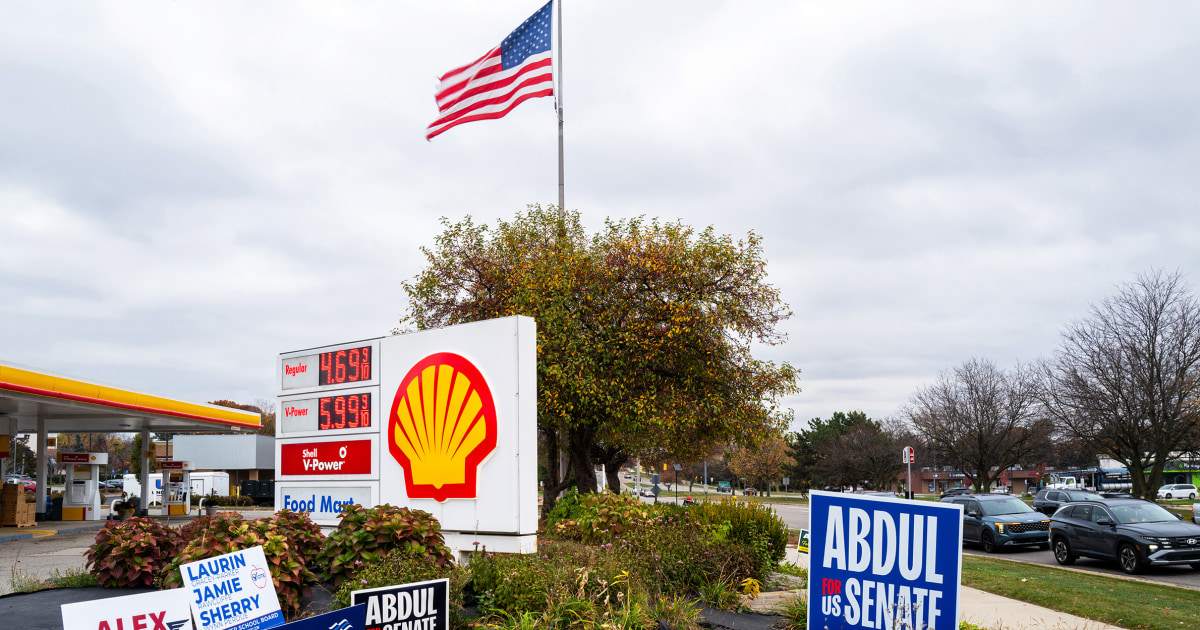
Gas prices spike in competitive states
The national average price for a gallon of gasoline has jumped 40% since February 28, when President Donald Trump and Israeli Prime Minister Benjamin Netanyahu launched attacks on Iran that sent crude oil prices soaring. The average price rose from $2.98 to $4.16 per gallon by Monday.
In Iowa and Nebraska, gas prices have climbed nearly 55% over the same period, while Kansas has seen a 53% increase. All three states voted for Trump in 2024 but now feature competitive Senate races with Democratic candidates Josh Turek in Iowa and Adam Hamilton in Kansas, and independent Dan Osborn in Nebraska.
Michigan drivers face a 51% increase, from $2.99 to $4.52 per gallon, where Democrat Abdul El Sayed challenges Republican Mike Rogers. Ohio prices are up 48%, affecting the race between Democratic former Senator Sherrod Brown and Republican incumbent Jon Husted. In Maine, a 46% rise creates pressure on Republican Senator Susan Collins and an opportunity for Democrat Troy Jackson.
Tariffs and grocery costs add to burden
Beyond the pump, tariffs and higher diesel prices have increased transportation costs for groceries and retail goods. A WalletHub study finds three of the ten most cost-burdened cities for groceries are in Ohio: Cleveland, Toledo, and Cincinnati. Detroit and Hialeah, Florida, also make the list.
Voters report severe strain. "The cost of living is extremely high," said Peris Morgan of Sterling Heights, Michigan. "Rent is high. Groceries are high, gas is high, everything is high." Jacqui Rose Tucker of Southwest Atlanta noted her grocery bill for a small haul reached $218, saying, "My dollar does not go very far anymore."
The National Taxpayers Union Foundation ranks Texas, Michigan, and Georgia among the top four states for tariff-related economic costs since 2025, all with tight Senate races. The Yale Budget Lab estimates tariffs will cost every U.S. household an additional $1,100 this year on average.
Housing costs outpace national trends
Home prices are rising sharply in several battlegrounds. In Alaska, the median home price reached $415,805 in September, up 4% year over year, above the national average of $389,601, which fell 0.1%. Ohio saw a 5.6% statewide increase, with Akron prices surging 22% and Cleveland up 13%.
Other metro areas with tight Senate races also rank among the top ten for home price growth: Miami, metro Atlanta, Charleston, South Carolina, and Cedar Rapids, Iowa. The average 30-year fixed mortgage rate stood at 7.27% on Monday, further limiting affordability for younger voters.
Wages fail to keep pace with inflation
While average hourly earnings grew 3% year over year in September, the annual inflation rate hit 3.7%, meaning real wages fell about 0.7% nationally. The gap is wider in key states: purchasing power dropped 3.5% in Nebraska, 2.6% in Iowa, and 2% in Alaska over the three months ending in August.
"I work extraordinarily hard. I'm a single mom. I've got three kids," said Jennie Larson of West Des Moines, Iowa. "I go out to eat once a week, right? That's like my one luxury. But outside of that, like the gas prices, the food prices, it's unbelievable."