By Basant El-Faramawy
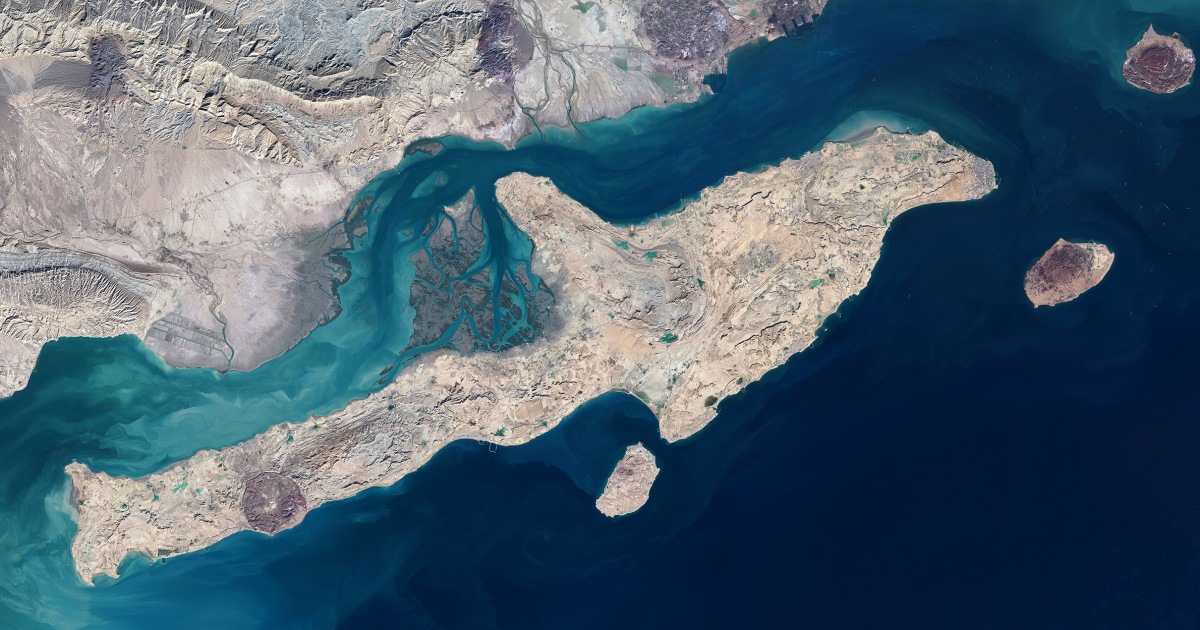
The U.S. military carried out limited strikes on Iran's Qeshm Island on Monday, according to two U.S. officials. The strikes were characterized as defensive measures in response to Iran's Islamic Revolutionary Guard Corps targeting maritime shipping and U.S. assets in the Strait of Hormuz area.
Defensive Response to Iranian Actions
Officials said the Revolutionary Guard has routinely fired on U.S. manned and unmanned aircraft over the strait in recent weeks. The U.S. has occasionally struck Iranian missile launchers in self-defense when such attacks occur. Monday's strikes targeted a launcher after another attempt to target a U.S. aircraft, part of ongoing operations.
Diplomatic Efforts Continue
Despite the military action, diplomatic talks persist. Vice President JD Vance sent a letter last week to Iran's security chief, Mohsen Rezaei, and expressed optimism Monday about reaching a negotiated settlement. Iran's top negotiator, Parliament Speaker Mohammad Bagher Ghalibaf, said Tuesday that Tehran has delivered a firm response and the ball is now in America's court to prevent war.
Election Context and Economic Impact
The strikes came on the eve of U.S. midterm elections, after President Donald Trump said the U.S. would not launch strikes before Tuesday's vote. The conflict has cost U.S. taxpayers at least $47 billion, and oil prices dropped Monday as diplomatic progress appeared possible. Thousands of U.S. troops maintain a naval blockade of Iranian oil exports, with additional forces en route.
Regional Tensions Persist
The region remains on edge over the prospect of full-scale operations resuming. Israel and other allies have lobbied Trump on the eight-month-old war, which has rattled global markets. Iranian state media reported five explosions on Qeshm Island Monday.