
By Basant El-Faramawy
Americans are heading to the polls in midterm elections widely viewed as a referendum on Donald Trump's second presidency, with control of the Senate and House of Representatives — both currently held by Republicans — at stake.
Republicans defend congressional majorities
The party holding the White House typically loses seats in midterms, and Democrats are hoping Trump's approval ratings, which have fallen to between 33% and 37%, will fuel a "blue wave" to win both chambers. A New York Times/Siena College poll published Sunday showed Democratic candidates leading in five of seven key Senate battlegrounds, including Texas and Kansas, where Democrats have not won a Senate seat since 1988 and 1932 respectively.
Key battleground races
In Michigan, a crucial state for Senate control, Democratic Congresswoman Haley Stevens endorsed Republican Mike Rogers over her party's nominee Abdul El-Sayed, prompting Senate Minority Leader Chuck Schumer to call it a "despicable betrayal." The move followed a feud over an outside group's ad linking high living costs to U.S. support for Israel.
Alaska controversy and legal challenges
Alaska's Senate race drew attention after reports that Democratic candidate Mary Peltola's campaign recruited a challenger with nearly the same name as Republican incumbent Dan Sullivan. The Department of Justice sued to block certification of results if Sullivan lost, citing potential voter confusion, but a judge dismissed the lawsuit.
Trump's campaign role and economic concerns
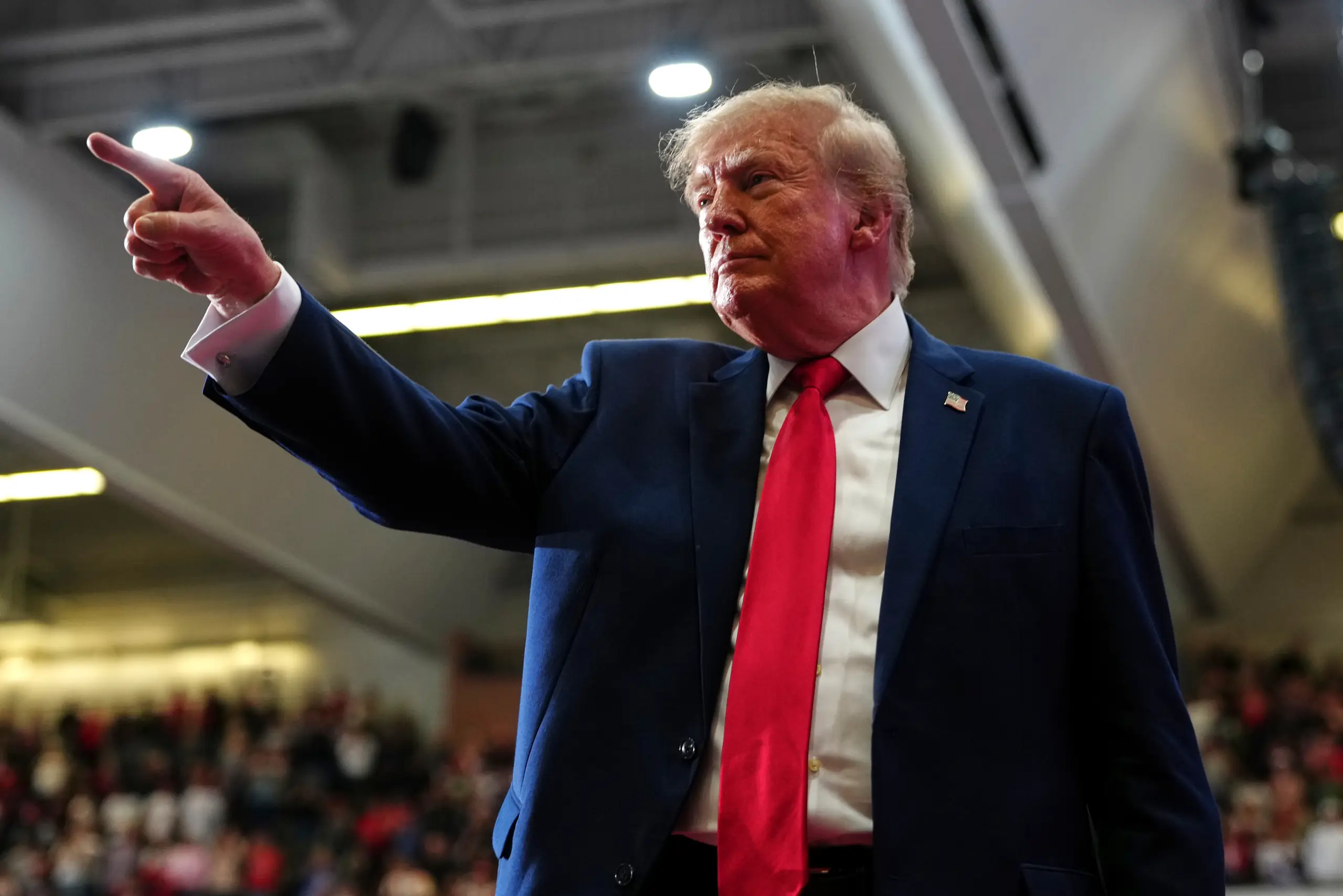
Trump crisscrossed the country holding rallies for Republican candidates, though his final appearance focused largely on renovations to Washington's Reflecting Pool. Democrats have highlighted corruption concerns, noting Trump has earned about $2.2 billion since returning to the White House, including royalties from a meme coin. The war with Iran, launched in February alongside Israel, has driven up oil prices, increasing fuel costs for Americans and raising diesel prices vital for supply chains and farmers.
Election integrity concerns
The Justice Department, led by Trump ally Attorney General Todd Blanche, plans to deploy a record 1,000 election monitors to polling stations nationwide. Critics denounce the move as voter intimidation. Uncertainty remains over whether Trump will accept results if Republicans lose, as the department pursues multiple cases opponents say are designed to cast doubt on the election's integrity.


