By Basant El-Faramawy
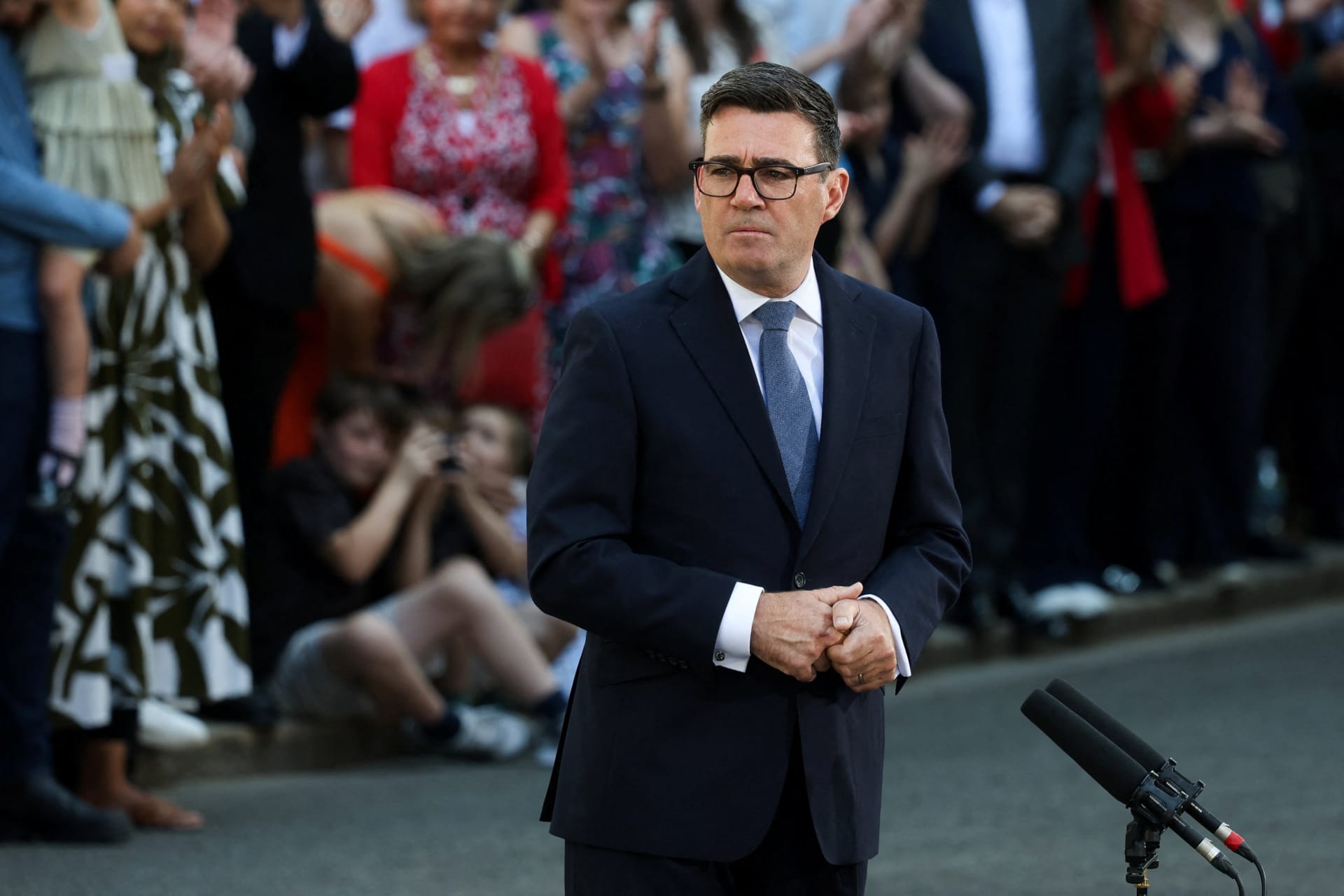
British Prime Minister Andy Burnham has said he is open to making a formal apology for the United Kingdom's role in the trans-Atlantic slave trade, marking a significant shift in the government's long-standing position. Speaking ahead of a meeting with Commonwealth leaders in the Caribbean, Burnham described an honest conversation about the legacies of slavery as the "right thing to do" rather than "sticking our heads in the sand."
Shift in UK position
The prime minister rejected calls for financial reparations, arguing that British people today cannot be held liable for historical wrongs committed under different laws and in which they played no personal part. Instead, he proposed leading a program of debt restructuring to help the poorest Commonwealth nations manage high debt levels over longer periods at lower interest rates, enlisting former Prime Minister Gordon Brown to assist the effort.
Historical context
Britain became the world's largest slave-trading nation at its height, transporting more than 3 million Africans across the Atlantic between the mid-1500s and the early 19th century. The UK has never issued a formal state apology, though institutions such as the Church of England have begun acknowledging their involvement. Parliament abolished the slave trade in 1807 and outlawed slavery throughout the British Empire in 1833.
Reparations rejected, debt relief proposed
Burnham's stance aligns with previous UK governments in refusing reparations, which studies estimate could range from hundreds of millions to trillions of dollars. His debt-relief alternative aims to address economic challenges facing Caribbean nations without accepting direct liability for the slave trade.
Caribbean response
The Caribbean Community (Caricom) welcomed the prospect of an apology but insisted it remains incomplete without reparatory justice. Saint Lucia Prime Minister Philip J. Pierre, who chairs Caricom, said no British prime minister had gone this far before, yet warned that a dialogue excluding reparations "cannot be a complete dialogue." Caribbean nations are seeking education and public health improvements, development programs for Indigenous people, repatriation, debt cancellation, and monetary compensation.
Opposition criticism
Conservative Party leader Kemi Badenoch opposed even an apology, calling it a lever to open the door to financial demands. She argued that Burnham should not apologize for historical events in which current citizens had no part.
King Charles acknowledges past
During a nine-day visit to the Caribbean, King Charles III acknowledged "the great suffering and injustices of the past" but did not offer a formal apology or address reparations directly. The monarch remains head of state for several Caribbean nations.