By Islam El-Sakka
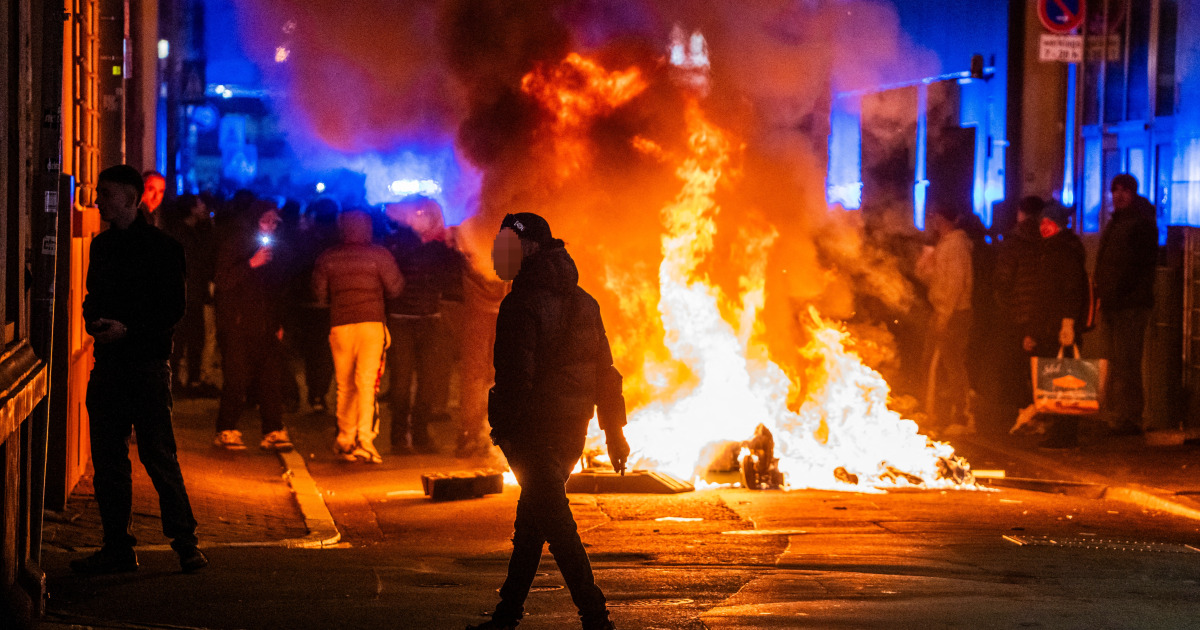
Rioters looted stores and set fires in Frankfurt on Saturday as tens of thousands of young people demonstrated across more than 30 German cities, demanding lower living costs, better education, climate action and an end to plans for mandatory military service. The protests, organized by the campaign group Gen Z regelt, were largely peaceful but turned violent in several locations.
Protests Across Germany
Activists called for increased spending on schools, housing and climate protection, while opposing a return to compulsory military service. In Berlin, Gen Z regelt spokesperson Lina Friedrich said demonstrators were fighting for peace, freedom and a fairer distribution of societal burdens. Official estimates placed turnout below the 182,000 participants organizers had hoped for.
Violence in Frankfurt
Frankfurt police reported smashed shop windows and Molotov cocktails thrown at emergency services, urging the public to avoid the city center. A weapons store was among the properties attacked. In Hamburg, protesters set barricades ablaze, and some businesses had boarded up windows in anticipation of unrest.
Wider European Unrest
The German demonstrations coincided with protests in France, Italy, Serbia, Spain and Portugal. French authorities counted 320,000 participants, with student anger over education funding expanding into broader cost-of-living demands. Italy deployed 500 army troops to Milan after masked groups looted stores, while Serbian student activism recently helped unseat the country's long-time leader. In Lisbon, police forcibly cleared a tent camp protesting high housing costs.
Analysts Urge Caution on Comparisons
Andrew Barclay, a politics lecturer at the University of Sheffield, noted that while protests elsewhere may have drawn inspiration from France, their scale and specific grievances differ significantly. He warned against equating the current European movements with the Serbian protests that led to governmental change, emphasizing that large demonstrations often fail to capture nationwide support.