By Islam El-Sakka
Rising healthcare expenses, including Medicare costs, prescription drug prices and long-term care, are squeezing household budgets for older adults across the United States and could carry substantial political weight heading into the midterm elections.
Medicare plan changes create uncertainty
Open enrollment for Medicare plans began in mid-October, with changes taking effect in 2027 that include higher Part D out-of-pocket caps, the end of temporary federal premium subsidies and new drug price negotiations. In some states, insurers are limiting enrollment in Advantage plans or withdrawing from markets altogether. Juliette Cubanski, director of KFF’s Medicare policy program, said the enrollment period offers a chance to evaluate coverage for better access and lower costs. For voters like Barbara Weigand, 83, of North Canton, Ohio, the complexity is daunting. After shoulder surgery and a bladder cancer diagnosis, Weigand withdrew $4,000 from her retirement account to cover treatment costs and worries about others who lack the resources to navigate the changes.
Prescription drug affordability remains a top concern
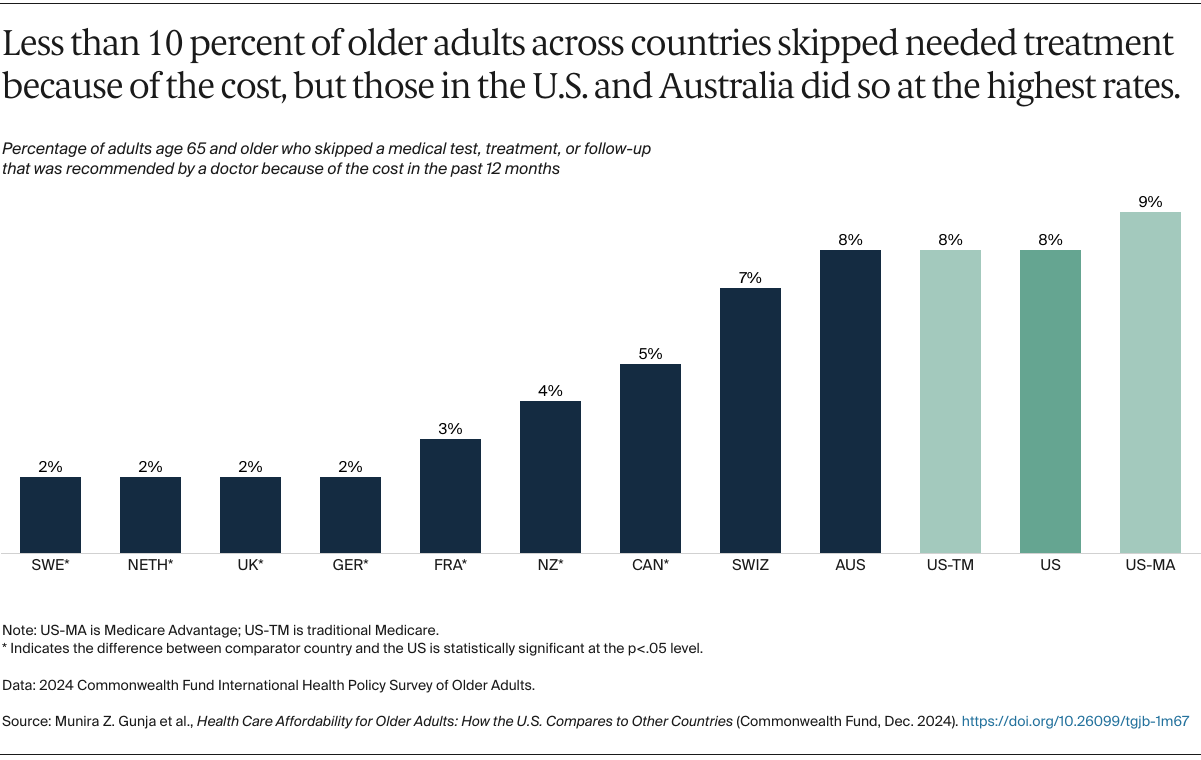
The Trump administration has pursued most-favored-nation drug pricing deals and launched the TrumpRx discount website, with all 50 states set to join a Medicaid program aimed at lowering prices. Yet a KFF survey from March found about 40% of U.S. adults did not take medication as prescribed in the past year due to cost, and one in five cut pills or skipped doses. Weigand said she has considered rationing her own drugs to save money.
Long-term care costs surge for family caregivers
An AARP report released this week shows family caregivers are spending nearly 60% more out of pocket than five years ago, averaging $11,508 annually compared with $7,242 in 2021. Nancy LeaMond, AARP’s executive vice president, said members are increasingly concerned about caregiver costs, co-pays and premiums. A University of Michigan poll from September 2025 found about one-third of Americans over 50 provide regular care to an adult relative or friend with a health issue or disability.
Social Security solvency looms as a future challenge
The Social Security Administration announced a 3.6% cost-of-living adjustment for 2027, adding about $75 per month for nearly 72 million beneficiaries. However, trustees project the combined trust funds will be unable to pay full benefits starting in 2034, covering only 83% of scheduled benefits thereafter. Polling analyst Matt Hogan advised candidates in the final days of the campaign to make Social Security and Medicare central to their messaging to reach older voters.