By Ahmed Abdelsalam
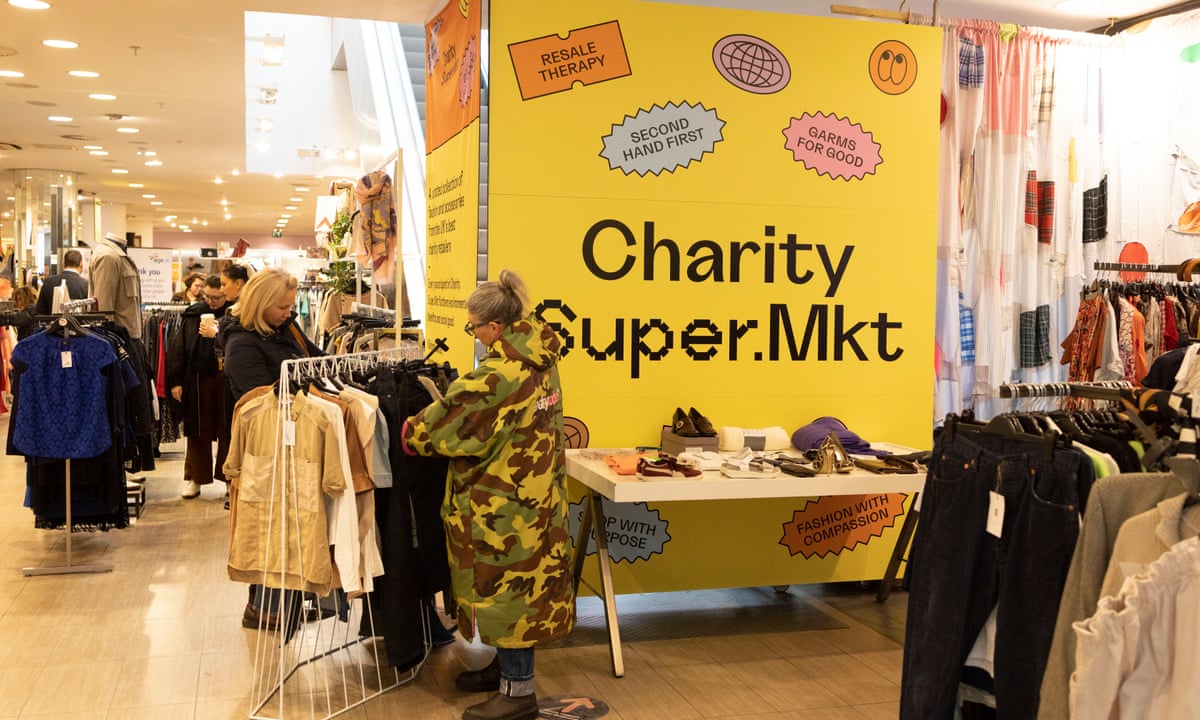
Profits at some of the UK’s best-known charity shops have plummeted as the sector grapples with competition from online secondhand platforms and declining donation quality, raising concerns about a key fundraising model.
Sharp profit declines at major charities
Oxfam’s retail profit fell 23% to £4.9 million in the last financial year, down from £6.4 million the previous year, according to unpublished accounts seen by the Financial Times. The British Heart Foundation, which operates the largest high street presence of any UK charity, announced plans to close 150 stores after recording a loss, with profits dropping from £18.8 million in 2024 to £3.6 million in the year to March 2025. Cancer Research UK and Scope have also closed or are closing some outlets.
Shift to online resale platforms
The downturn comes despite UK spending on secondhand clothing quadrupling over the past decade to £8.8 billion annually, according to GlobalData. The rise of platforms such as Vinted and Depop has enabled people to sell unwanted clothes directly to other consumers rather than donating them to charity shops. Meanwhile, Chinese companies are increasing sales of used clothing in developing countries, particularly Africa, a traditional market for secondhand garments.
Donation quality and cost pressures
Charity retailers are also contending with “avalanches” of poor-quality donations driven by fast fashion, according to Tansy Hoskins, author of Charity Shop World. Robin Osterley, chief executive of the Charity Retail Association, said fast fashion has undeniably reduced donation quality. He argued that online platforms have a minimal negative effect, noting they normalize secondhand shopping and that many buyers purchase from charity shops to resell online. Osterley attributed a larger impact to the November 2024 budget, which increased national insurance costs for part-time staff and added to inflationary pressures.
Sector outlook
Oxfam’s retail head, Lorna Fallon, described the trading environment as “exceptionally challenging” and warned it will be painful for the sector. Oxfam’s latest filings show only £6 of every £100 spent in its shops now goes toward its poverty alleviation work, down from £22 in 2022. However, Oxfam has no plans to reduce its shop count due to its focus on books and music. Richard Hawkes, Oxfam GB’s chief executive, said the growth of secondhand presents opportunities but requires rethinking the traditional retail model, emphasizing shops’ community presence and volunteer engagement.