
By Fatma Younis
The U.S. dietary supplement industry is valued at around $70 billion a year, and a Pew Research Center survey found that eight in 10 Americans take supplements as part of efforts to improve sleep, cognition, immunity and overall health.
America's supplement obsession began in the 1970s with the rise of bodybuilding and a vitamin C craze sparked by Nobel laureate Linus Pauling's book. In recent years, social media influencers and celebrities such as Kourtney Kardashian, neuroscientist Andrew Huberman and actress Gwyneth Paltrow have launched their own wellness lines, further fueling the market.
Research from the Harvard T.H. Chan School of Public Health shows the five top-selling supplements over the past two decades are daily multivitamins, vitamin D, vitamin C, calcium and omega-3 fatty acids. The Independent asked experts to evaluate which of these and other products are truly worth the investment.
Vitamin D: Sunshine Nutrient
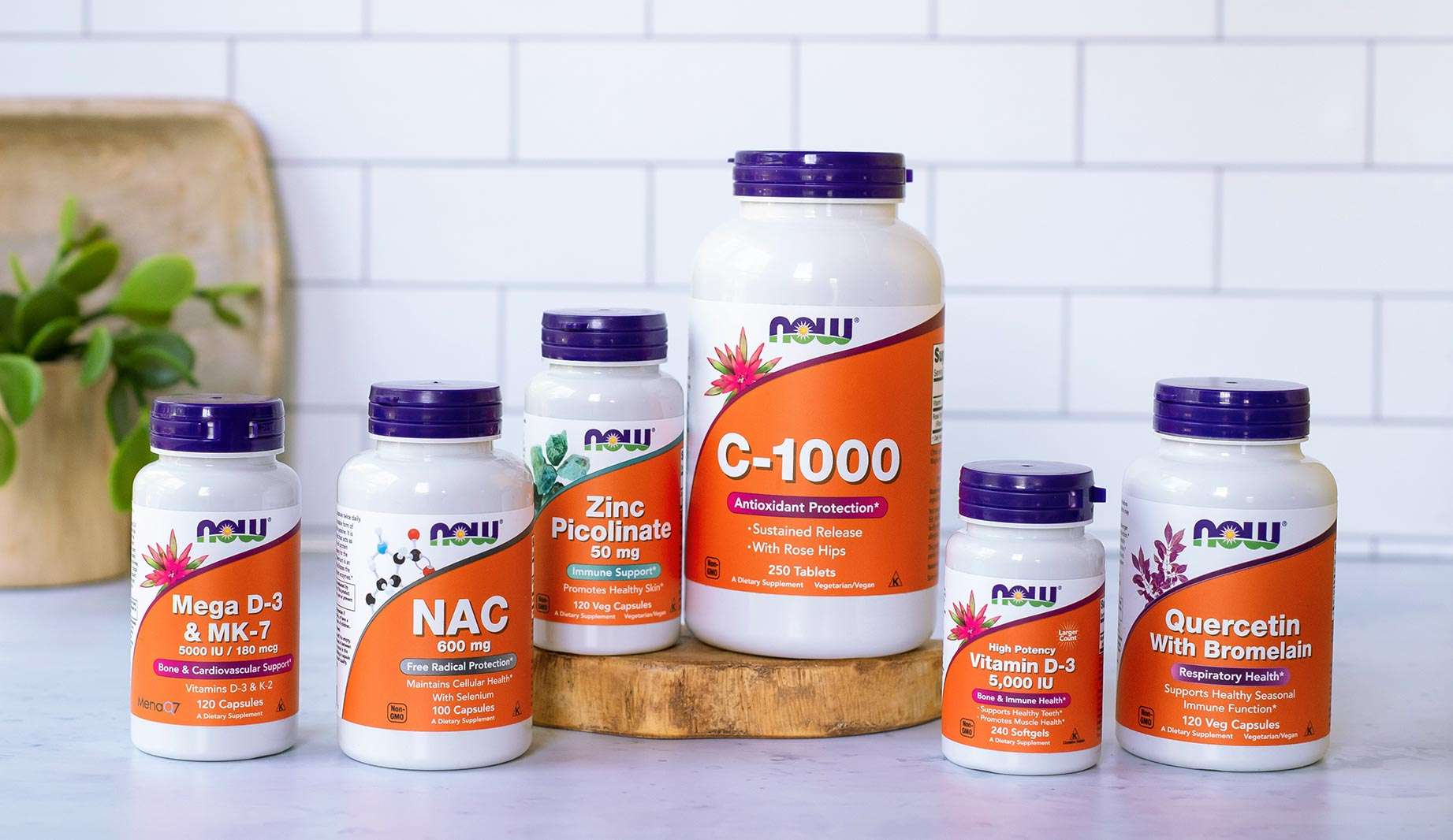
Vitamin D, primarily obtained from sun exposure, supports mood, bone strength and calcium absorption. The Cleveland Clinic says most healthy people do not need supplements, but doctors recommend them for those with deficiency due to low sun exposure, dark skin pigmentation or limited dietary intake. Low levels can increase fall risk in the elderly and signal conditions such as obesity, kidney or liver disease. However, excessive doses over time can cause hypercalcemia, straining the kidneys.
Omega-3 Fatty Acids: Heart and Cell Health
Omega-3s, found in fatty fish, walnuts, chia seeds and leafy greens, reduce the risk of heart disease and cancer. While about 10 percent of U.S. adults take omega-3 supplements, Harvard Health advises obtaining them through diet. CDC data indicates 98 percent of Americans fall below optimal levels, a particular concern for men who face higher heart disease risk. Experts say high-quality supplements may be necessary for those who do not eat enough fatty fish, though very high doses have been linked to an increased risk of irregular heartbeat.
Other Targeted Supplements
Melatonin can help with insomnia at low doses but should not replace good sleep hygiene such as limiting caffeine and screen time. Iron supplements benefit the 9.3 percent of Americans over age two with chronic anemia, replenishing iron stores faster than food alone. Vitamin B12 supports nerve function and healthy blood cells; around 10 million Americans are deficient. Since B12 is mainly in animal foods, vegans are at higher risk unless they consume fortified foods or supplements.
Market Growth and Caution
Financial forecasts project the U.S. supplement market will reach $431.7 billion annually by 2033. Experts urge skepticism toward claims of detoxification or reversing aging. Supplements can interact with prescription medications, a risk many patients overlook. Regen Therapy CEO Sanjiv Lal suggests three questions before taking any supplement: Is there good evidence for it? Do you actually need it? And is it safe with everything else you take?


