
By Islam El-Sakka
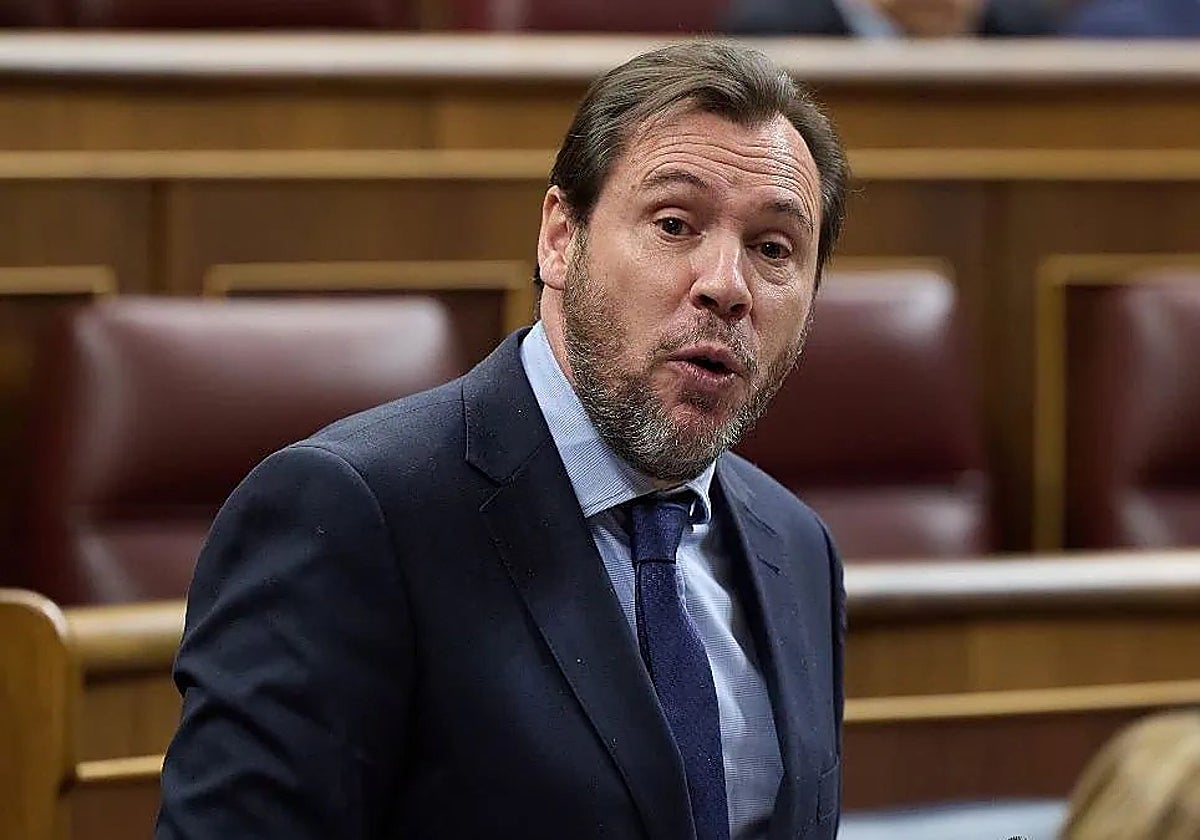
A high-speed train collision south of Toledo that killed at least 69 people was likely caused by a series of human errors by rail traffic controllers, Spain’s transport minister Óscar Puente said Friday. Controllers in Madrid authorized a moving passenger train to accelerate to roughly 100 mph toward a stationary train occupying the same track sector, despite live warning displays showing the danger for 17 minutes.
Signaling Failure and Emergency Protocols
The chain of events began at 8:31 a.m. Wednesday when the LZB automatic safety signaling system suffered an unexpected failure. Under normal conditions, LZB regulates signals and automatically applies brakes to enforce safe distances. Its shutdown triggered emergency protocols that halted all train traffic in the sector, leaving two passenger trains stopped in the same block and shifting responsibility to manual coordination between Madrid operations staff and train conductors.
Sequence of Errors
At 8:36 a.m., controllers cleared the rear train, operated by state-owned Renfe, to restart at regular operational speeds up to 124 mph instead of the cautionary 25 mph required during signaling outages. Five minutes later, they cleared the forward train, an Iryo express service, turning its signal green. The Iryo train suffered an immediate mechanical failure and stalled. At 8:48 a.m., its driver radioed the operations center to report the stalled carriages, but controllers took no steps to halt the approaching Renfe service or revoke its track authorization. The manual clearance for the forward train caused the signal behind it to turn green automatically, misleading the Renfe driver into believing the track was clear before the high-speed impact.
Minister's Response and Investigation
Puente said controllers had multiple opportunities to stop the trailing train before impact and that a judicial inquiry is underway to determine why no action was taken during the 17-minute window. He rejected calls to resign over the second major rail disaster in Spain this year, following a January crash that killed more than 40 people. Puente defended the Madrid operations center’s staffing and the aging LZB system, noting roughly 170 outages this year primarily due to cable theft and maintenance, but said performance remained within European norms.
Political Fallout and Safety Upgrades
Facing pressure from opposition parties ahead of general elections on November 29, Puente announced an emergency package of technological upgrades aimed at reducing reliance on human discretion in traffic control rooms. Dozens of passengers remain hospitalized across regional facilities, with 17 in intensive care.


