By Sohaib Shams
An exclusive Harris poll conducted for the Guardian finds that government corruption has emerged as the second most important issue for voters heading into the 2026 midterm elections, trailing only the rising cost of living. Eighty-seven percent of respondents said corruption is a problem, a higher share than those worried about artificial intelligence or immigration.
Poll Details
The survey, conducted in October, shows that 65% of voters planning to participate in the midterms consider corruption a “major problem.” Voters expressed particular concern about elected officials prioritizing their own or their donors’ financial interests over the public good.
Trump Administration Anti-Fraud Efforts
Vice President JD Vance recently highlighted a $40 million fraud discovery in the Supplemental Nutrition Assistance Program (SNAP) and announced the termination of health coverage for 760,000 people under the Affordable Care Act over alleged fraud. President Donald Trump has also offered a 1% bounty to anyone who reports $1 billion in government fraud.
Voters Focus on Officials' Self-Dealing
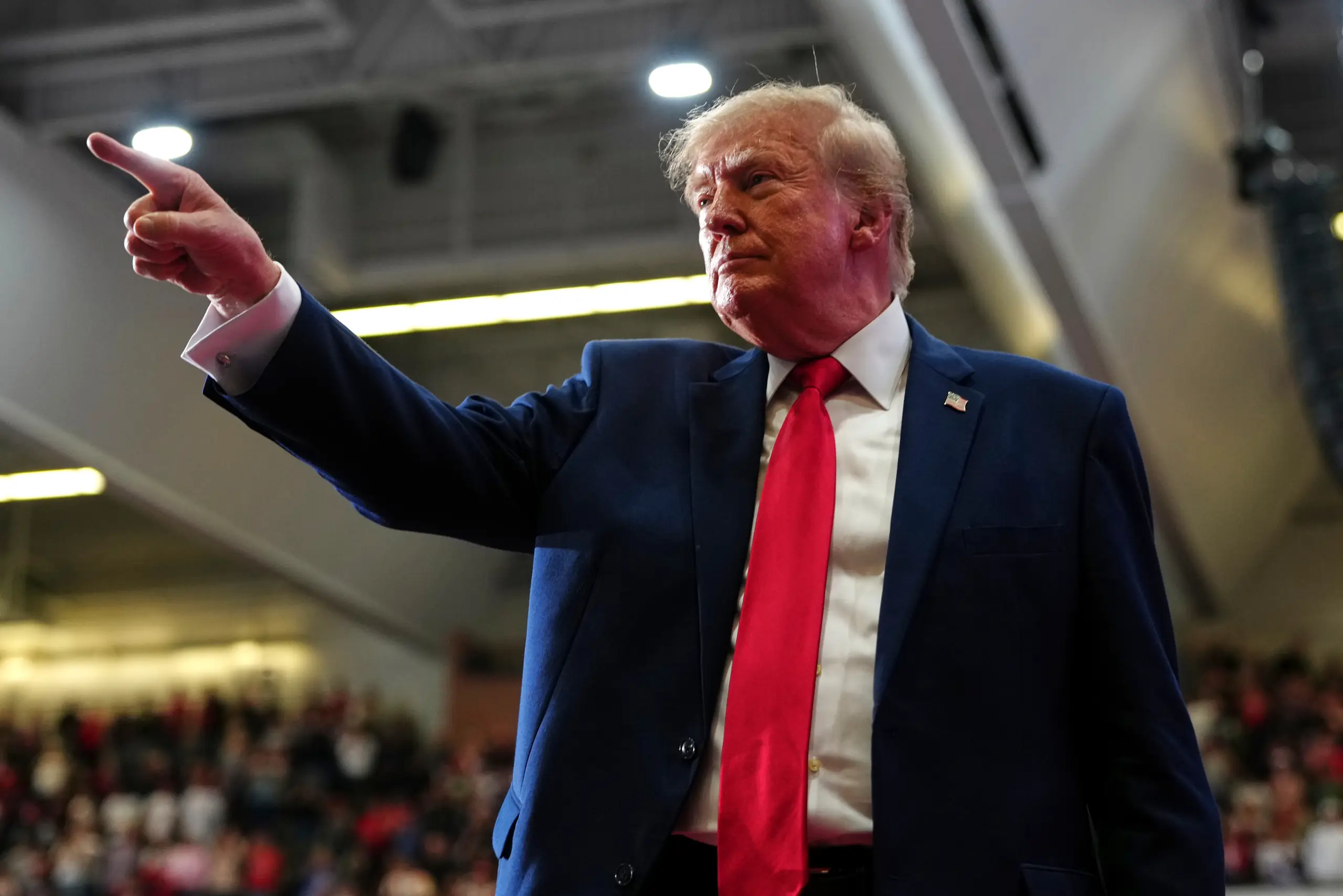
Despite the administration’s focus on welfare fraud, the poll indicates voters are more alarmed by self-dealing at the top. Trump’s reported $2.2 billion in earnings during his first year back in office, including $1.4 billion from cryptocurrency ventures, aligns with the type of corruption voters say they fear.
Corruption Allegations Against Trump and Allies
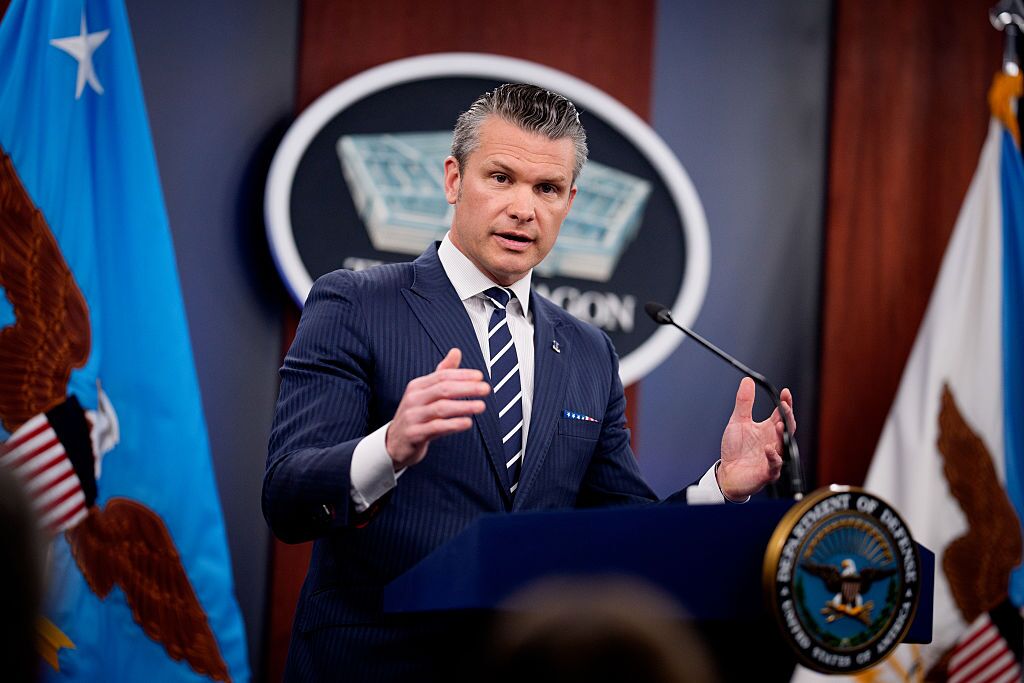
Critics point to a pattern of enrichment: the Securities and Exchange Commission paused a fraud lawsuit against a crypto billionaire who invested heavily in Trump-linked ventures; the Justice Department dropped investigations into crypto firms that contributed to Trump’s campaign; the Trump Organization has struck deals with foreign regimes; Qatar gifted a luxury jet; the UAE gained access to advanced AI chips after an investment in a Trump-family crypto company; and donors facing criminal charges received pardons after large contributions. The Pentagon also lent $600 million to a rare-earths startup shortly after Donald Trump Jr.’s firm acquired a stake.
White House Denials and Historical Comparison
The White House denies any conflicts of interest or quid-pro-quo pardons. The article draws a parallel to Ronald Reagan’s “welfare queen” rhetoric, suggesting the current administration is using similar imagery to distract from large-scale corruption at the highest levels.