By Islam El-Sakka
Halloween costumes have evolved from simple spooky tropes into an exhausting competition for the most obscure pop culture references, a lifestyle commentator argued on Saturday.
From Spooky to Smug
Once, a generic witch, vampire, or Frankenstein’s monster required only 30 seconds of thought and a single prop. That gave way in the 2000s to the “sexy Halloween” trend immortalized in the film “Mean Girls,” but even that era demanded little mental energy. Today, the pressure is to devise hyper-specific, painfully original concepts – often drawn from fleeting internet culture – that require detailed explanations to everyone encountered at a party.
The trend may have originated in LGBTQ+ circles before becoming a mainstream expectation. A 2023 meme, “I hate gay Halloween, what do you mean you’re [incredibly obscure reference]?” captured the pressure to reference niche moments like a carousel horse from a promotional photo for the film “We Live in Time.”
Five Costumes That Are Too Niche
Commentator Helen Coffey highlighted five examples of overly specific costumes to avoid. Dressing as Maya Jama’s coat from the reality show “The Traitors” is too narrow; a simple green cloak suffices. The “Super El Niño” weather pattern is too high-concept and not a laughing matter. An Elizabeth Holmes costume should reference her Theranos era, not the upcoming Nathan Fielder documentary. Katie Zacharia, the shortest-serving White House press secretary at five days, lacks staying power. Finally, costumes derived from the horror films “Backrooms” or “Obsession” lack instantly recognizable aesthetic moments.
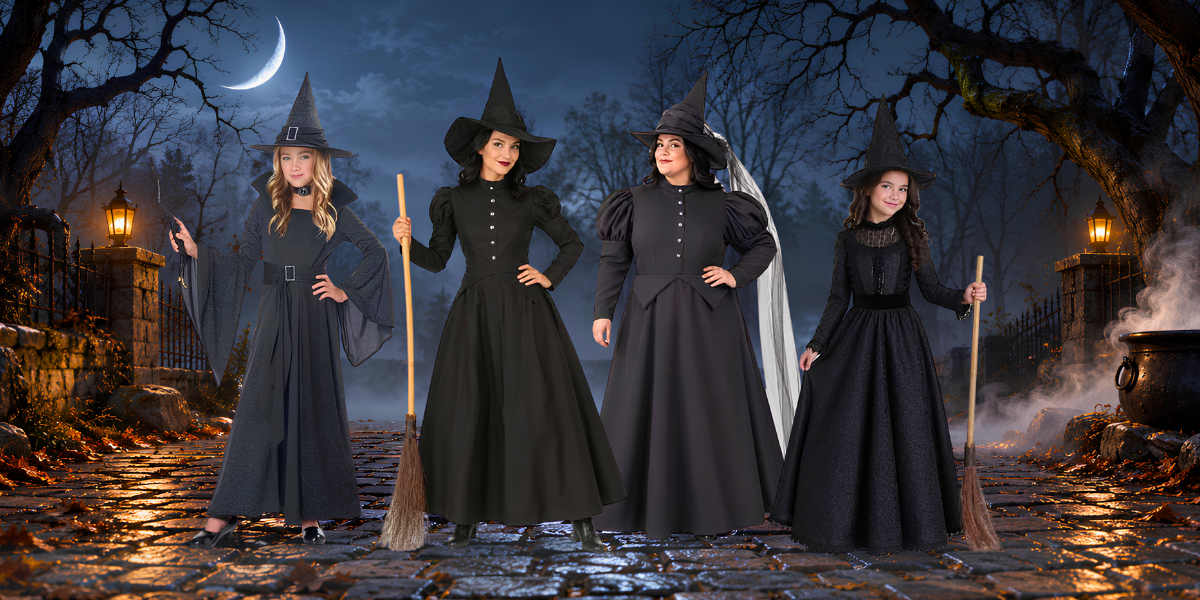
There is hope that the cycle may break. A colleague’s adult son plans to attend a party as a generic pirate, and his twentysomething friends are embracing similarly straightforward costumes. “Bring back basic witch Halloween,” Coffey wrote, “and let’s make spooky season fun again.”