
By Ahmed Abdelsalam
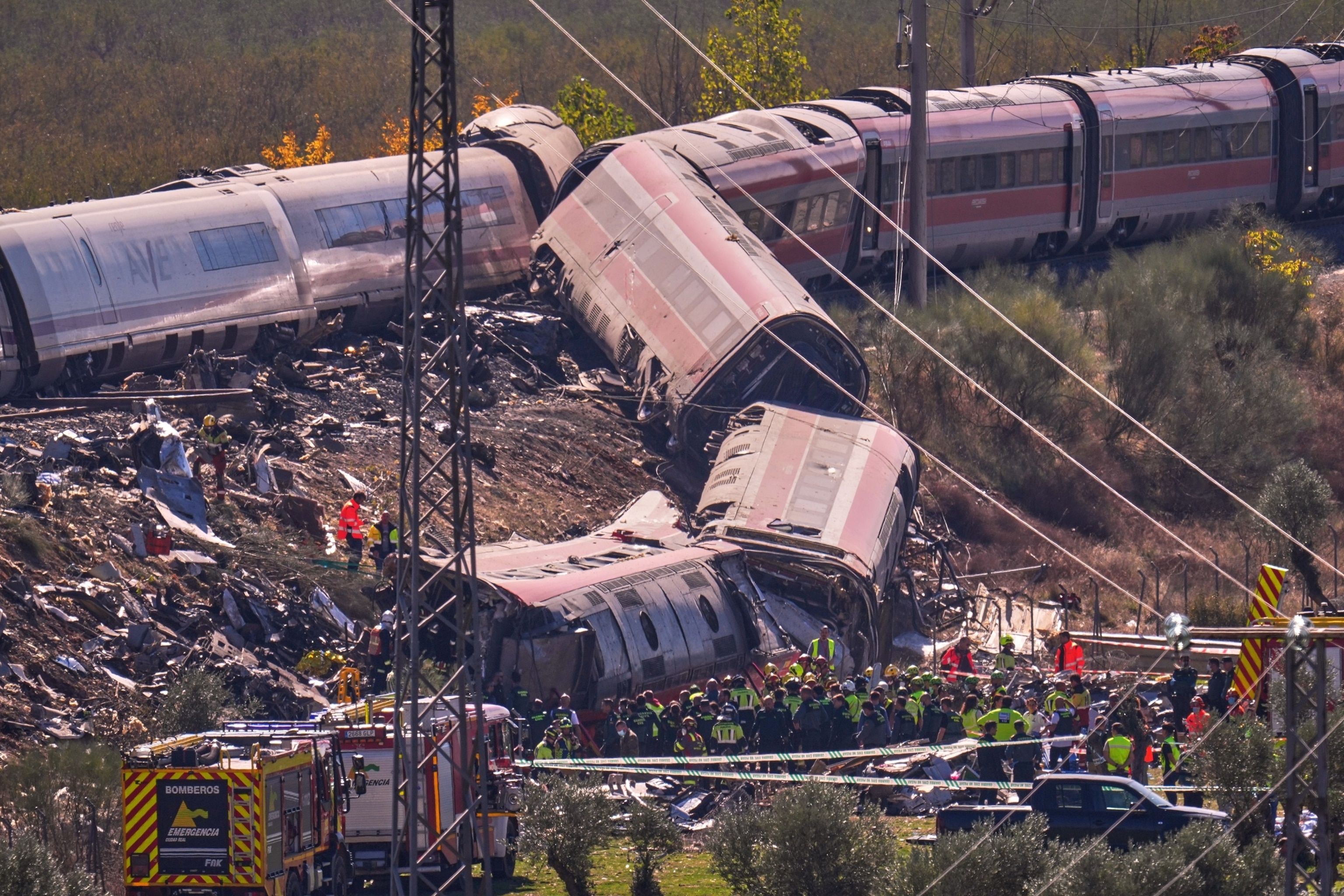
Two deadly high-speed train collisions in nine months have killed more than 100 people and shaken public confidence in Spain's AVE network, long praised for its speed and safety.
Passenger Anxiety and Worker Strikes
The latest crash in Toledo province killed 69 people, coming nine months after a collision on the Madrid-Seville line that killed 49. Travelers boarding trains days later expressed anxiety but also necessity. Economist Carla Fuentes, 37, said she had no alternative for work travel but noted colleagues switching to cars until safety improves. Her train was canceled due to a workers' strike demanding better rail safety, which she called understandable.
On a Madrid-Zamora service, the conductor thanked passengers for continuing to travel. Traveler María Rodríguez, 56, said her confidence had been hurt by two major accidents in one year.
Government Response and Systemic Issues
Prime Minister Pedro Sánchez, facing an election in four weeks, visited the crash site and acknowledged trust in the high-speed railway had been broken, pledging to find solutions to prevent future tragedies.
Spain has built 3,900 kilometers of high-speed track since 1992, second only to China. High-speed rail now dominates travel between major cities, with 9 million of 13 million Madrid-Barcelona trips in 2024 by train. Journey times have dropped from seven hours to 2.5 hours.
However, unions argue maintenance has been neglected in favor of new lines. Data analyst Adrián Blaya, 29, said delays and breakdowns have become habitual, though he felt safer immediately after the crash due to heightened vigilance.


