
By Fatma Younis
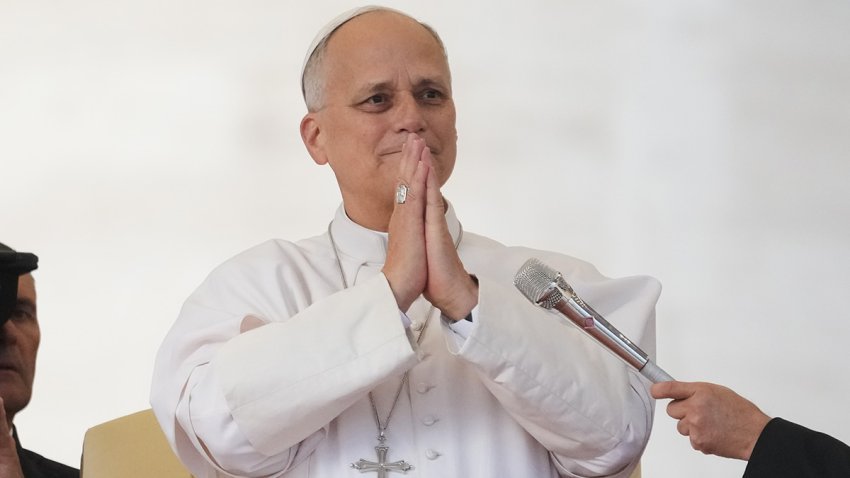
Pope Leo XIV has voted in the United States midterm elections, marking the first known instance of a sitting pontiff casting a ballot in any political election. The Vatican announced on Friday that the pope, a United States citizen born in Chicago, submitted his vote by post from Illinois.
Vatican confirms civic duty
The Holy See stated that Leo "has exercised his right to vote as a United States citizen, whenever he was eligible to do so," including during his years as a missionary in Peru. A Vatican statement added that the pope "expresses his belief in the right and the duty of citizens to participate in democratic processes."
Request made before lung surgery
Before his election as pope, Leo was known as Robert Prevost. He reportedly requested a mail-in ballot on October 3, registering at an address in New Lenox, Illinois — ten days before undergoing surgery to remove a cancerous tumour from his right lung. The pontiff has been gradually resuming activities since his hospital discharge on October 17. The midterm elections are scheduled for November 3.
Clashes with President Trump
Leo and US President Donald Trump have publicly clashed on several issues. The pope has described Trump's immigration policies as "inhuman." Earlier this year, Trump responded to Leo's criticisms of the US-Israeli war on Iran by calling the pontiff "weak on crime" and "terrible on foreign policy," and suggested Leo was elected only because Trump was in the White House. Leo replied that he was "not afraid" of Trump.
Upcoming Latin America trip
In his first major address to the United States, delivered on the eve of the 250th anniversary of the Declaration of Independence, Leo praised America's history of welcoming migrants while urging citizens to live up to the document's ideals — a move seen as a further rebuke to Trump. The pope is scheduled to travel to Latin America in November for an 11-day trip covering 10 cities. Archbishop Paul Richard Gallagher, the Holy See's foreign minister, indicated a papal visit to the US is expected in the "not too distant future," with the midterm outcome potentially influencing whether it occurs in 2027 or later.
