
By Fatma Younis
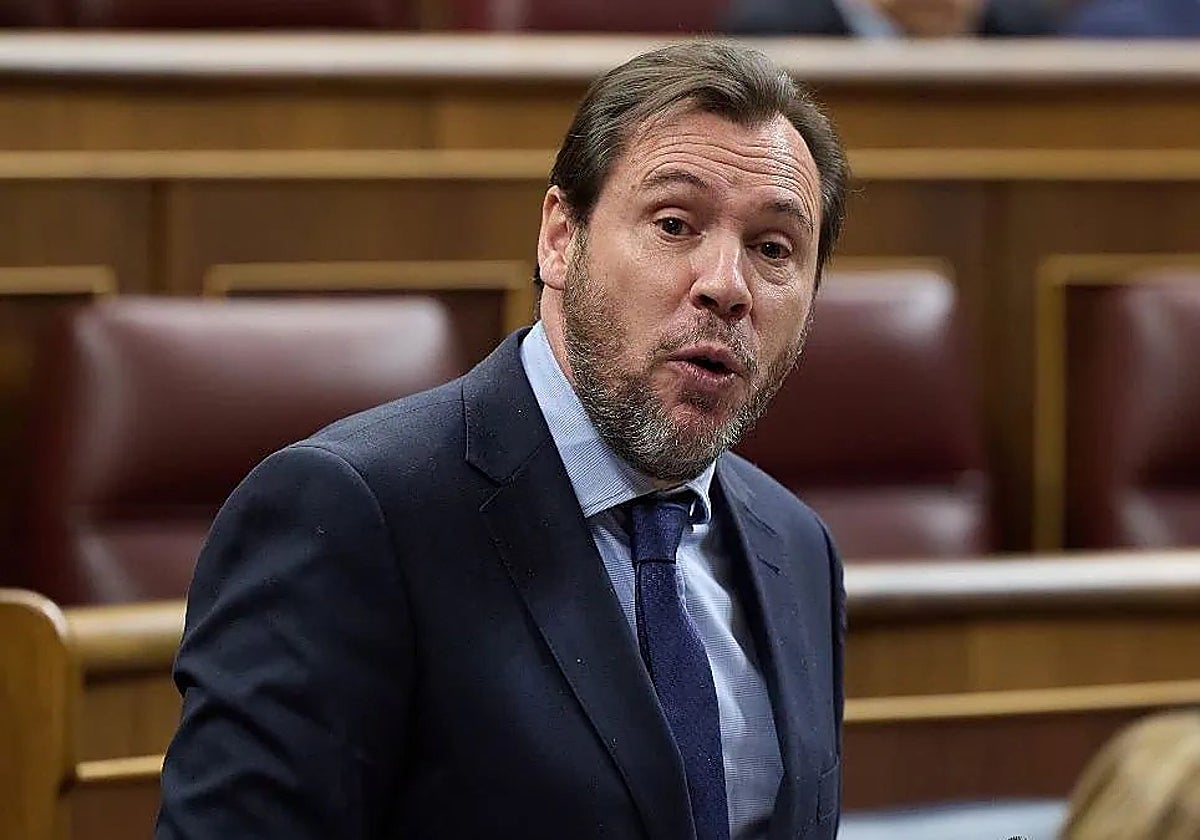
Spain's transport minister Óscar Puente said Friday he will not resign over a high-speed train collision that killed at least 69 people, insisting his duty is to resolve the problem rather than discuss his position.
Collision details and investigation
The crash occurred Wednesday morning near the town of Urda in Toledo province when a state-operated Renfe high-speed train slammed into the rear of a stationary Iryo train. A preliminary report released Thursday found the Renfe train was travelling between 160 km/h and 200 km/h at impact, embedding its front carriage into the tail of the stopped train.
Political fallout and calls to quit
Puente has faced mounting pressure to step down, including from political rivals, the trade union CSIF, and demonstrators who protested outside the transport ministry Wednesday night. The conservative People's Party joined the resignation calls on Friday.
Prime minister's response
Prime Minister Pedro Sánchez said earlier Friday that public trust in Spain's high-speed rail network had been broken, calling it "unacceptable" that two similar tragedies occurred within a year. A collision on the same Madrid-Seville route killed 46 people in Adamuz in January.
Audio recordings raise questions
Leaked audio recordings published in Spanish media appear to show Madrid's control centre cleared one high-speed train to move even though another train had stalled on the track about 25 km ahead. Puente described the decision to restart trains without speed restrictions as "inexplicable." The leak itself drew criticism from politicians across the spectrum.
Minister vows accountability
Puente said he would not use any worker as a shield but acknowledged "many questions" arose from the tragedy. He pledged to examine them one by one and act if the investigation reveals human error.
National mourning
Spain is observing three days of mourning as victims' families and survivors struggle to comprehend the disaster, one of Europe's worst rail accidents in modern history and Spain's deadliest since 2013.


