By Karim Hammam
Counterfeit beauty products seized by Trading Standards have been found to contain dangerous levels of mercury, lead, and methanol, according to recent laboratory tests.
Test Results Reveal Toxic Substances
One skincare product contained 13,200 parts per million of mercury, while high levels of lead were detected in lipstick, eyeshadow, and contour products. Tests also found nicotine in perfume and a counterfeit fragrance composed of around 80% methanol.
Surge in Counterfeit Purchases Among Young Adults
Cosmetics and perfumes now rank among Trading Standards’ ten most investigated fake goods, with four in ten seized cosmetics containing potentially harmful substances. The Intellectual Property Office’s Counterfeit Goods Tracker shows 20% of 18‑to‑24‑year‑olds who bought beauty products last year knowingly purchased counterfeits, up from 6% in 2023.
Major Seizures in Manchester and Bolton
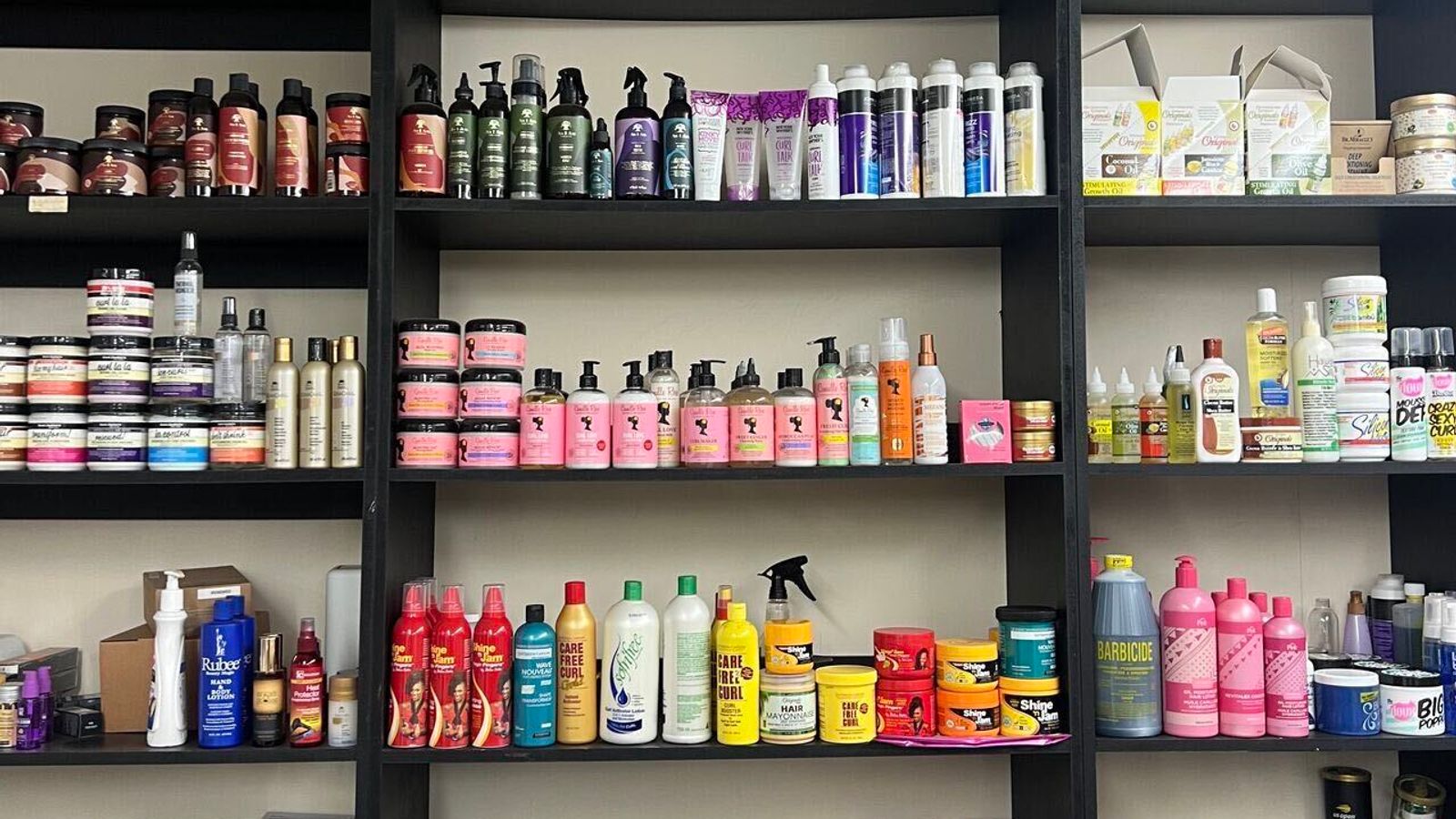
The Police Intellectual Property Crime Unit and Greater Manchester Police seized 1,666 counterfeit hair products, including extensions, shampoo, and conditioners, from a Manchester warehouse in July. An earlier raid in Bolton uncovered £2 million worth of counterfeit goods — perfume, cosmetics, clothing, and vapes — at a production facility in a commercial property.
Campaign Aims to Educate Consumers
The IPO’s Face the Fakes campaign is collaborating with content creators and the beauty industry to raise awareness of the risks posed by counterfeit beauty products.
Experts Warn of Hidden Health Risks
Independent toxicologist Rani Ghosh said mercury and lead can affect the body internally with effects that may not be immediately obvious, and that packaging alone cannot reveal the chemicals inside. Helen Barnham, head of enforcement engagement at the IPO, said counterfeiters exploit trusted brand names while bypassing safety standards and often produce goods in unhygienic conditions. Dr Emma Meredith, director‑general of the Cosmetic, Toiletry and Perfumery Association, emphasized that legitimate cosmetics undergo rigorous safety assessments and are made in clean conditions, whereas counterfeit products circumvent those safeguards.