By Ahmed Abdelsalam
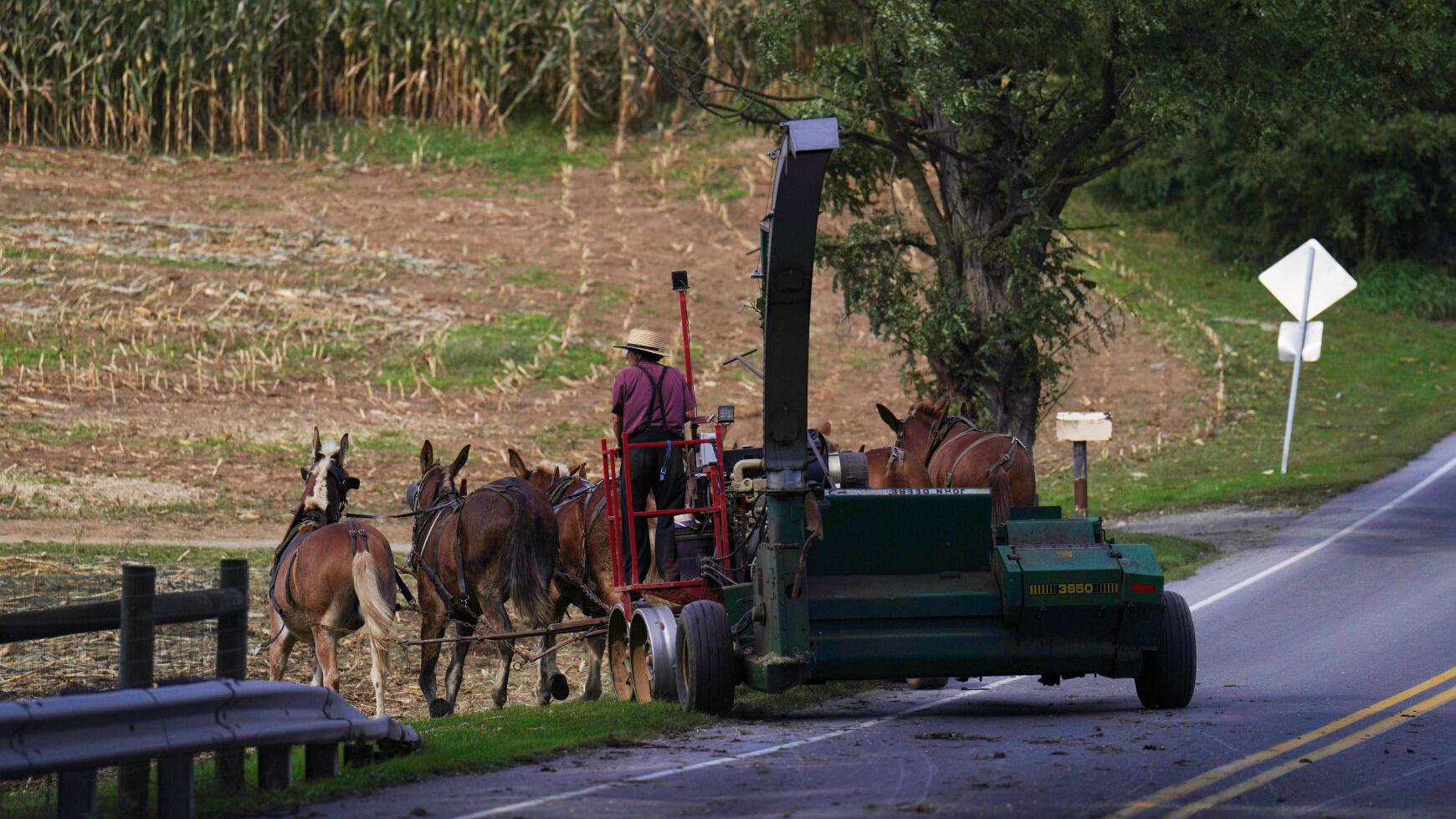
Pennsylvania has recorded more than 1,350 measles cases this year, the highest total of any U.S. state, with Lancaster County at the center of the nation’s worst outbreak in 35 years. The county, home to the largest Amish population in the country, has seen over a third of the state’s infections and three of the five measles-associated deaths reported statewide.
Low vaccination rates fuel spread
Vaccination rates have long been low among Amish and conservative Mennonite communities, driven more by cultural habit than religious doctrine. Experts say declining immunization rates in the general population have created ideal conditions for the highly contagious virus, which was declared eliminated in the U.S. in 2000. “No one in the United States who is susceptible to measles should feel safe,” said Michael Osterholm, director of the University of Minnesota’s Center for Infectious Disease Research and Policy.
Community attitudes shifting
While some Plain community members avoid vaccines because “we never did before, and we came through all right,” the outbreak is prompting many to accept vaccination. Local health officials report increasing turnout at vaccine clinics. “We are having more success at having vaccine days,” said Dr. D. Holmes Morton, founder of the Central Pennsylvania Clinic.
National immunization decline
Kindergarten MMR vaccination coverage nationwide fell to 92.4% in the 2025-26 school year, down from 95.2% in 2019-20, according to the CDC. Pennsylvania’s rate dropped to 93.2%, below the 95% threshold that makes outbreaks unlikely. Researchers note the decline extends beyond Plain communities, with every central Pennsylvania county seeing lower kindergarten vaccination rates since 2020.
Public health response
County Commissioner Alice Yoder emphasized the need to promote vaccine safety and effectiveness, an approach that succeeded during the state’s 1991 measles outbreak. Dr. Diego Hijano of St. Jude Children’s Research Hospital described vaccination as “an act of love to your community,” protecting both the individual and those around them.