By Salma El-Sakka
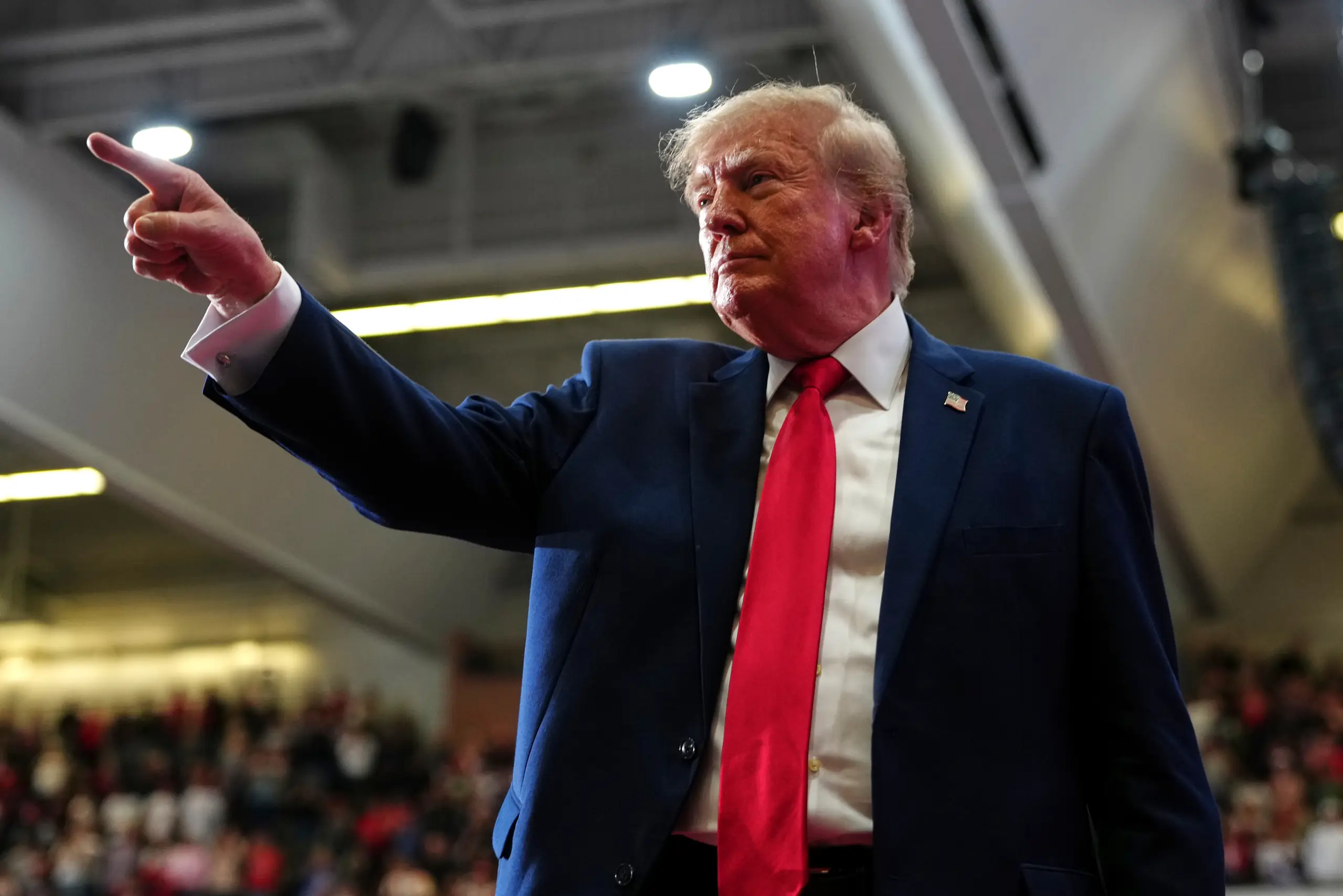
Millions of Americans will vote on November 3, 2026, in midterm elections widely seen as a verdict on President Donald Trump's first two years back in office. With Trump's approval rating at 30 percent according to Pew Research Center, Democrats are favored to flip the House of Representatives and potentially the Senate, which could reshape U.S. foreign policy in its final two years.
Midterms as Referendum on Trump
The midterms elect all House members, one-third of the Senate, and governors across the country. Republicans currently control both chambers, but forecasters give Democrats a 90 percent chance of taking the House and a 70 percent chance of winning the Senate. Chatham House researcher Dr Andrew Payne called the 2026 midterms a "rare foreign policy election," comparing them to 2006 when Iraq war dissatisfaction cost Republicans their majority.
Polling and Key Issues
Inflation and the cost of living top voter concerns, with half of registered voters citing it as the most important factor. Trump's tariff strategy, with rates up to 50 percent on some imports, has been blamed for higher prices, while the war in Iran has driven up gas costs. Immigration remains divisive; the administration cites a 95 percent drop in southwest border apprehensions, but ICE raids have sparked fatal incidents in Maine, Minnesota, and Texas. Other issues include artificial intelligence, cryptocurrency, abortion, and Israel.
Global Implications: Iran, Tariffs, Ukraine
A Democratic Congress could pressure Trump on Iran, where he launched strikes without congressional approval. Democrats have repeatedly voted to end the war unless he seeks authorization. On tariffs, Congress holds constitutional power to set rates and could repeal Trump's levies, though precedent is lacking. For Ukraine, a Democratic majority could restore military aid — about $127 billion sent before 2025 — and override a presidential veto. Trump has halted new aid and paused the bipartisan Graham Act sanctions on Russia after authorizing Russian diesel sales.
Israel Aid and European Relations
U.S. support for Israel, totaling $3.8 billion in the latest fiscal year, faces growing opposition: 56 percent of Americans favor reducing or eliminating it. Democrats are more likely to limit military spending, having blocked Trump's requested $1.5 trillion defense budget. Trump's clashes with European allies and Vice President JD Vance's criticism of European migration policies mean a Democratic win could reassure liberal parties in Europe, though experts warn it might breed complacency toward far-right movements at home.