
By Fatma Younis
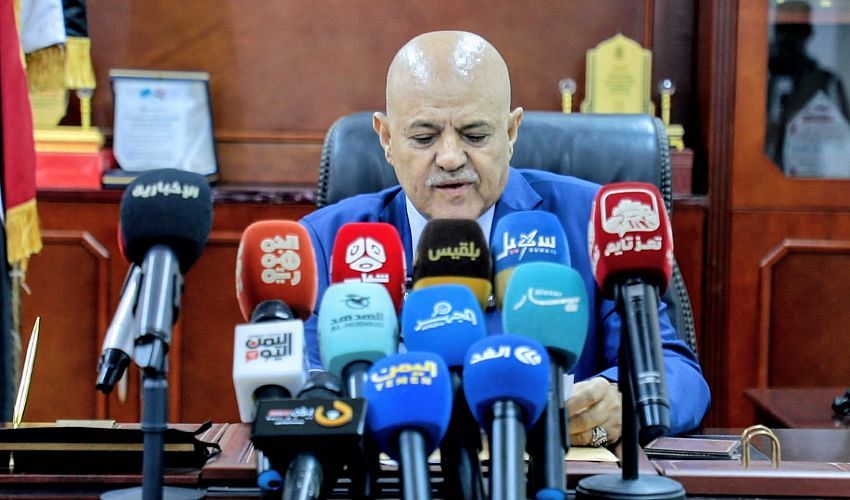
The governor of Yemen's besieged city of Taiz, Nabil Shamsan, accused Houthi forces of trying to send the city "back to the stone age" during a briefing urging international action to lift a month-long siege.
Humanitarian Crisis Deepens
Shamsan said massacres were occurring, oxygen and water supplies were running out, and rubbish piled up because landfill sites were full or inaccessible. The city needs 35,000 cubic metres of water daily but only 1,000 cubic metres were reaching it, with shipments stopped at Houthi roadblocks.
Casualties and Displacement
Food stocks were depleted, wheat prices soaring, and restaurants closed due to fuel shortages. Up to 1,800 people needed dialysis but could not access supplies, 120 health centres were suspended, and schools closed affecting hundreds of thousands of children. Shamsan reported 64 killed, including civilians, and 173 injured from August to 20 October 2026. Over 6,400 newly displaced families, averaging seven members each, had fled to the city.
Conflicting Accounts
His account contradicted Houthi leader Abdul-Malik Badr al-Din al-Houthi, who claimed roads were open for aid and invited verification.
Health System Collapse
Fuel shortages threatened neonatal intensive care units. Shamsan said Houthi forces had near-total control of roads into the city and gave residents a choice: "either to leave or to die."
Allegations of Identity War
He accused the Houthis of waging a war to change Yemen's identity, with captured villages placed under new religious leaders and curricula altered. Residents in occupied areas were required to show loyalty to the Zaydi religion and sign forms affirming allegiance to the Houthis. Children were forcibly recruited to frontlines in Saada without parental consent.
Communication Blackout
Shamsan vowed resistance but said solidarity statements were useless; aid agencies, including the UN, needed access to deliver supplies. He declined to detail military operations but said shelling increased and communication with rural areas had broken down. Houthis controlled mobile networks, sending messages to end resistance and eavesdropping.
International Concern
Independent agencies confirm rapid deterioration. Niku Jafarnia, Yemen researcher at Human Rights Watch, said renewed Houthi efforts to cut off food, water, and medicine showed "utter disregard for civilian lives" throughout the 12-year siege.


