By Fatma Younis
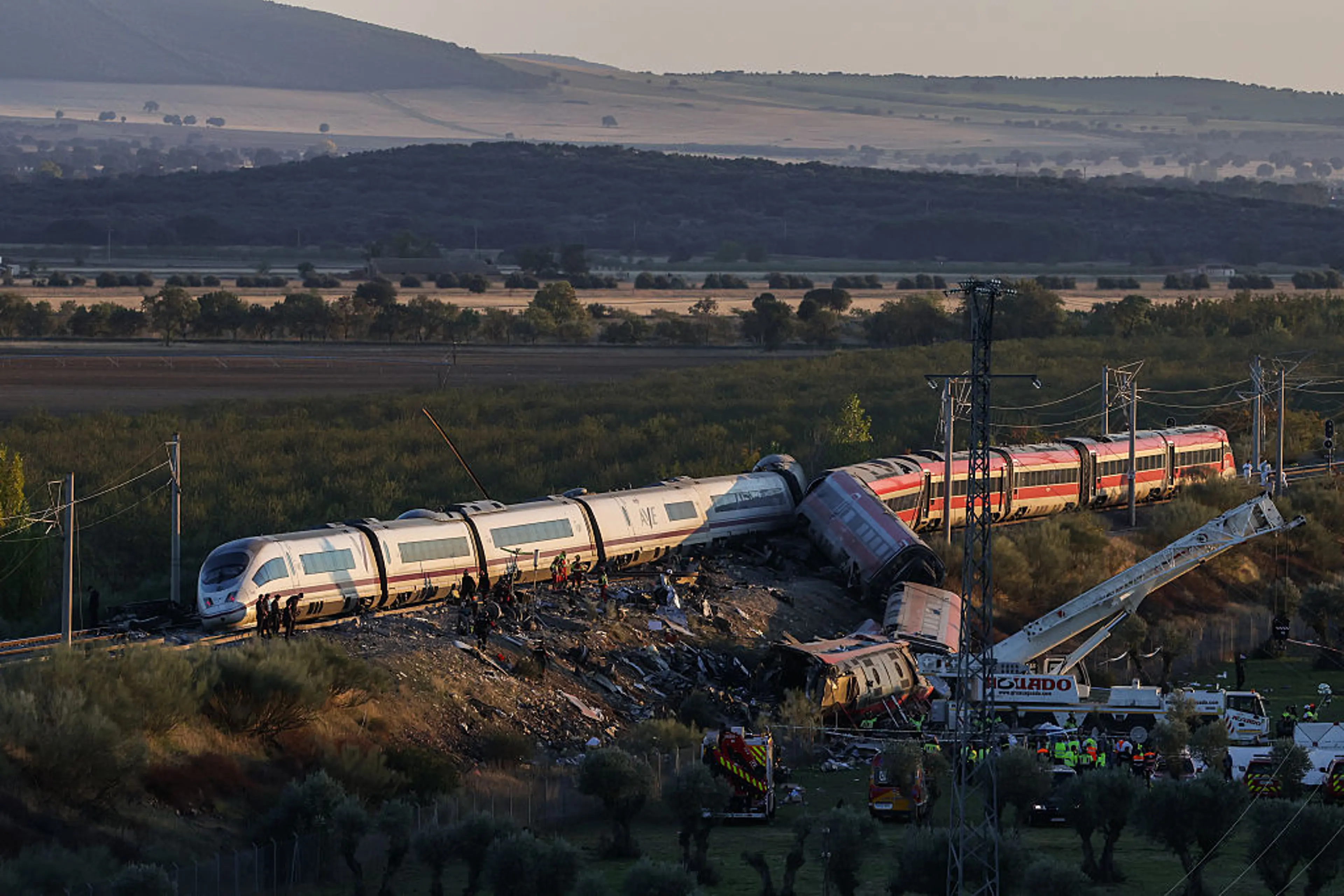
Spanish authorities are continuing their investigation into Wednesday's high-speed train collision in Toledo province that killed 69 people and injured many more. An initial interim report from the independent investigative body confirms the Ave train was travelling between 160 and 200 km/h when it struck a stationary train ahead of it.
Interim Report Details
The report highlights a signalling failure in the Urda area and notes that leaked recordings of conversations between the operations centre and affected drivers have drawn significant attention. Investigators have not yet been able to interview some key witnesses, and the full inquiry is expected to take weeks or months.
Political Implications
The disaster carries immediate political weight with parliamentary elections scheduled for next month. Analysts suggest the crash could undermine Prime Minister Sánchez's recent resurgence and thrust rail safety to the forefront of the campaign, potentially overshadowing his efforts to defend his record.
Protests in France and Italy
Meanwhile, French Interior Minister Laurent Nuñez warned of a "very high risk" of violent disorder this weekend, attributing the threat to radicalised far-left groups and the Yellow Vest movement. In Italy, student organisations are planning massive demonstrations in Rome and Milan over education and cost-of-living concerns.
Canada-EU Summit in Montreal
Later today, attention shifts to Canada as it hosts an EU summit in Montreal to discuss a new partnership framework, possibly including an associate membership. Canadian Prime Minister Mark Carney and European Commission President Ursula von der Leyen are expected to address the meeting.