By Salma El-Sakka
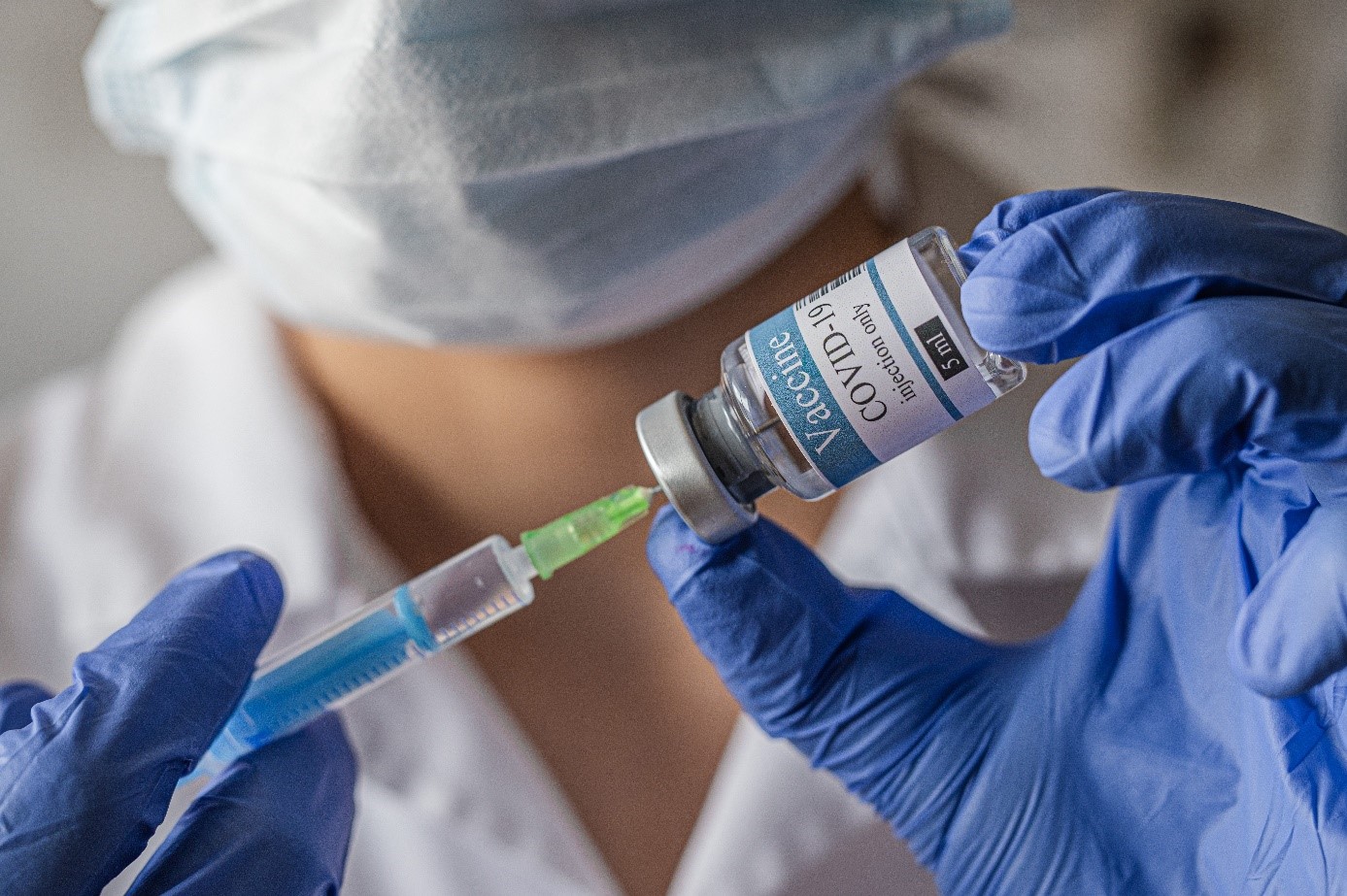
A controversial Hepatitis B vaccine trial involving newborns in Guinea-Bissau has been halted following international backlash and a lack of government approval. Lead researcher Frederik Schaltz-Buchholzer confirmed the study will not proceed, noting that the necessary governmental authorization was not granted.
Funding and Controversy
The study was slated to receive $1.6 million in funding from the US Centers for Disease Control and Prevention (CDC), supplemented by an additional $1.6 million from private entities, including the Pershing Square Foundation and the Bluebell Foundation. The project faced sharp criticism from medical experts, including Paul Offit of the Children’s Hospital of Philadelphia, who described the study's premise as unethical.
The research team, led by Danish researchers including Schaltz-Buchholzer, Christine Stabell Benn, and Peter Aaby, hypothesized that administering the Hepatitis B vaccine alongside the Bacillus Calmette-Guérin (BCG) vaccine might interfere with the mortality benefits provided by the latter. This hypothesis was dismissed by critics as biologically unsound, given that the Hepatitis B vaccine consists of a single protein.
Ethical Concerns and Local Impact
Experts raised significant ethical concerns regarding informed consent. Henrik Støvring, a Danish researcher, argued that the trial structure was coercive, as mothers who declined participation would have a zero percent chance of receiving the vaccine, whereas those in the trial had a 50 percent chance. This dynamic potentially undermined the ability of parents to provide truly non-coercive consent.
The controversy also fueled local distrust. Schaltz-Buchholzer noted that the trial led some in Guinea-Bissau to question whether the vaccine was being tested on African populations due to safety concerns, though he emphasized that both vaccination schedules are safe. Currently, the government of Guinea-Bissau has taken control of the vaccines following a search of the Bandim Health Project offices.
Public Health Recommendations
The World Health Organization (WHO) maintains that all infants should receive a Hepatitis B vaccine dose as soon as possible after birth, preferably within 24 hours. While Guinea-Bissau currently plans to implement a universal birth dose in 2028, medical experts advocate for immediate rollout to combat the high rates of chronic Hepatitis B in the country.