By Ahmed Abdelsalam
Amsterdam's new Art Zoo museum offers a provocative experience where human visitors are confined in black metal cages while hundreds of preserved animals roam freely throughout a 17th-century canal house.
Artistic vision inspired by curiosity cabinets
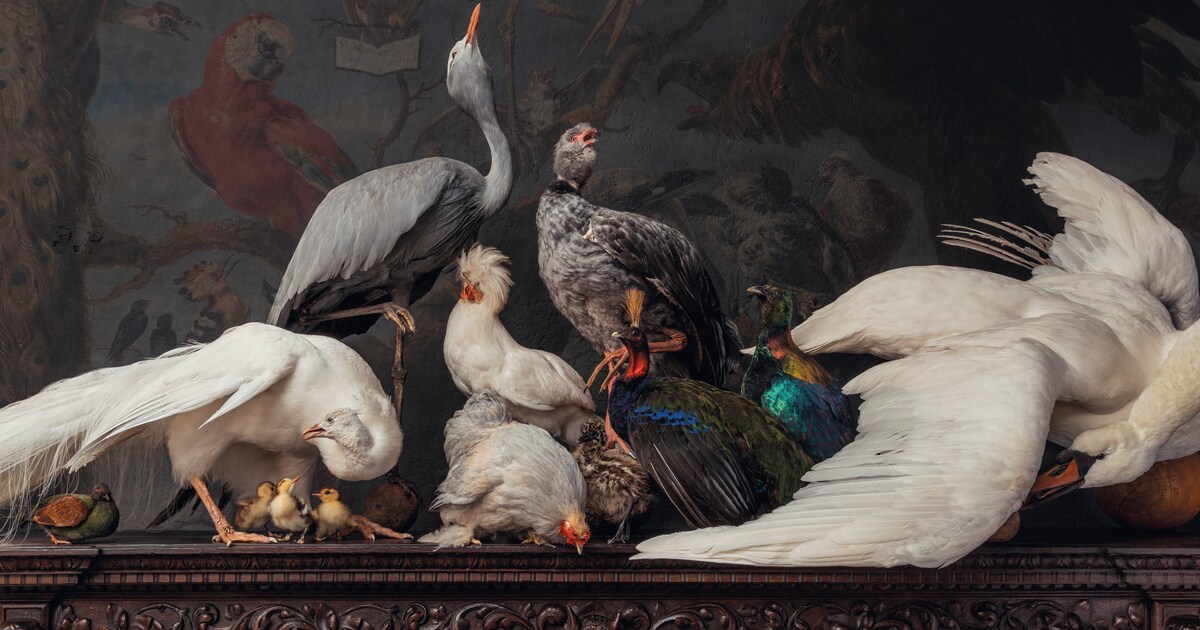
Created by Dutch artists Jaap Sinke and Ferry van Tongeren, the museum draws inspiration from 16th- and 17th-century "wunderkammers" — curiosity cabinets assembled by wealthy Europeans to showcase natural objects. The duo rose to prominence in 2015 after artist Damien Hirst purchased their entire exhibition at a London art show.
Animals posed with drama, not realism
Unlike traditional natural history museums, the Art Zoo stages animals in dramatic, unnatural poses. A 12-foot crocodile hangs from the ceiling, a cheetah slouches under a cassowary's gaze, and a Japanese giant spider crab stretches its six-foot legs above a doorway beside mastodon bones. "We like to add drama. We add an attitude to the animals, where traditional taxidermists just want to mimic nature," van Tongeren said.
Specimens sourced ethically from zoos
All animals in the collection died of natural causes in European zoos, Sinke said, though obtaining the necessary paperwork can be challenging. The artists consider naturalist Charles Darwin a third collaborator, and one display features a series of sideways Darwin busts in a building that once housed the Biblical Museum.
Historical curiosities among the exhibits
Not all pieces are genuine animals. Beneath the suspended crocodile, a wall of Jenny Hanivers — ray carcasses altered by 16th-century sailors into grotesque sea monsters — watches over caged visitors moving between rooms.