By Ahmed Abdelsalam
Dog depression shares many hallmarks with human depression, and owners should watch for distinct behavioral changes, according to veterinary experts. While many cases resolve within days or weeks, serious episodes can persist and require professional intervention.
Recognizing the Signs
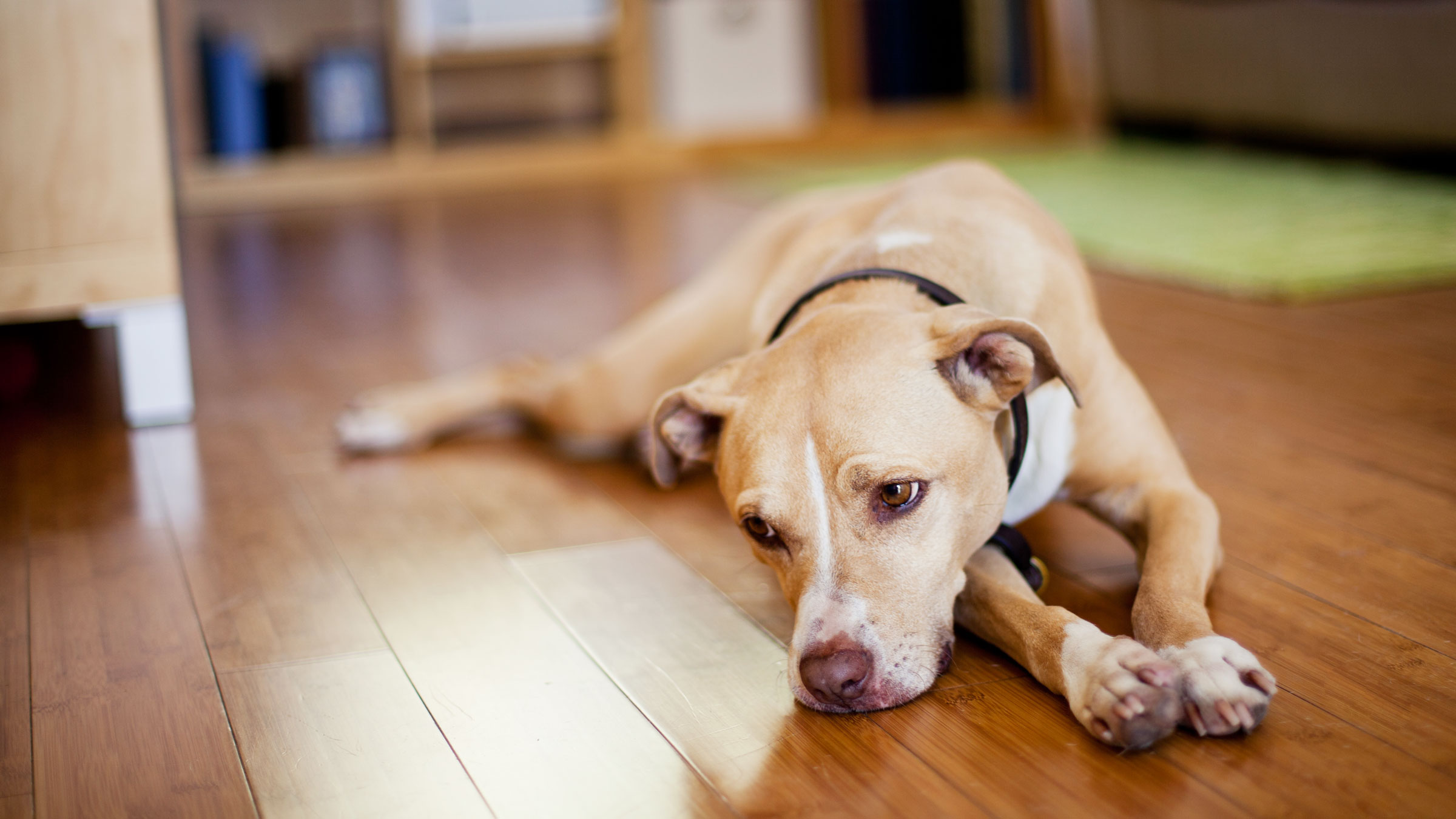
Depressed dogs often show reduced motivation for favorite activities, altered body language, low energy, and loss of appetite. They may become withdrawn or unusually clingy. Physical cues include sad, droopy eyes and ears pulled back, though these signs are not always present.
Potential Causes and Solutions
Experts suggest evaluating whether the dog's environment has changed, if they receive adequate contact and quality time, and if they get enough mental stimulation and exercise. Addressing these areas can alleviate mild depression within a short period.
When to Seek Professional Help
Persistent or severe cases warrant consultation with a canine behaviorist, veterinarian, or trainer. These professionals can determine if the depression signals an underlying medical condition, such as cognitive decline, dementia, arthritis, or heart disease.
Medical Links and Treatment Options
Medications are sometimes prescribed for specific anxieties like noise phobias, separation anxiety, or reactivity, but antidepressants are not commonly used for dogs. An effective treatment plan typically combines pharmaceutical options with behavioral strategies to improve the dog's well-being.