By Basant El-Faramawy
Venezuelan opposition leader María Corina Machado has returned to her home country after spending more than 10 months in exile. Her return marks a significant moment in the nation's fraught political landscape following several unsuccessful attempts to re-enter the country.
Arrival and Public Reception
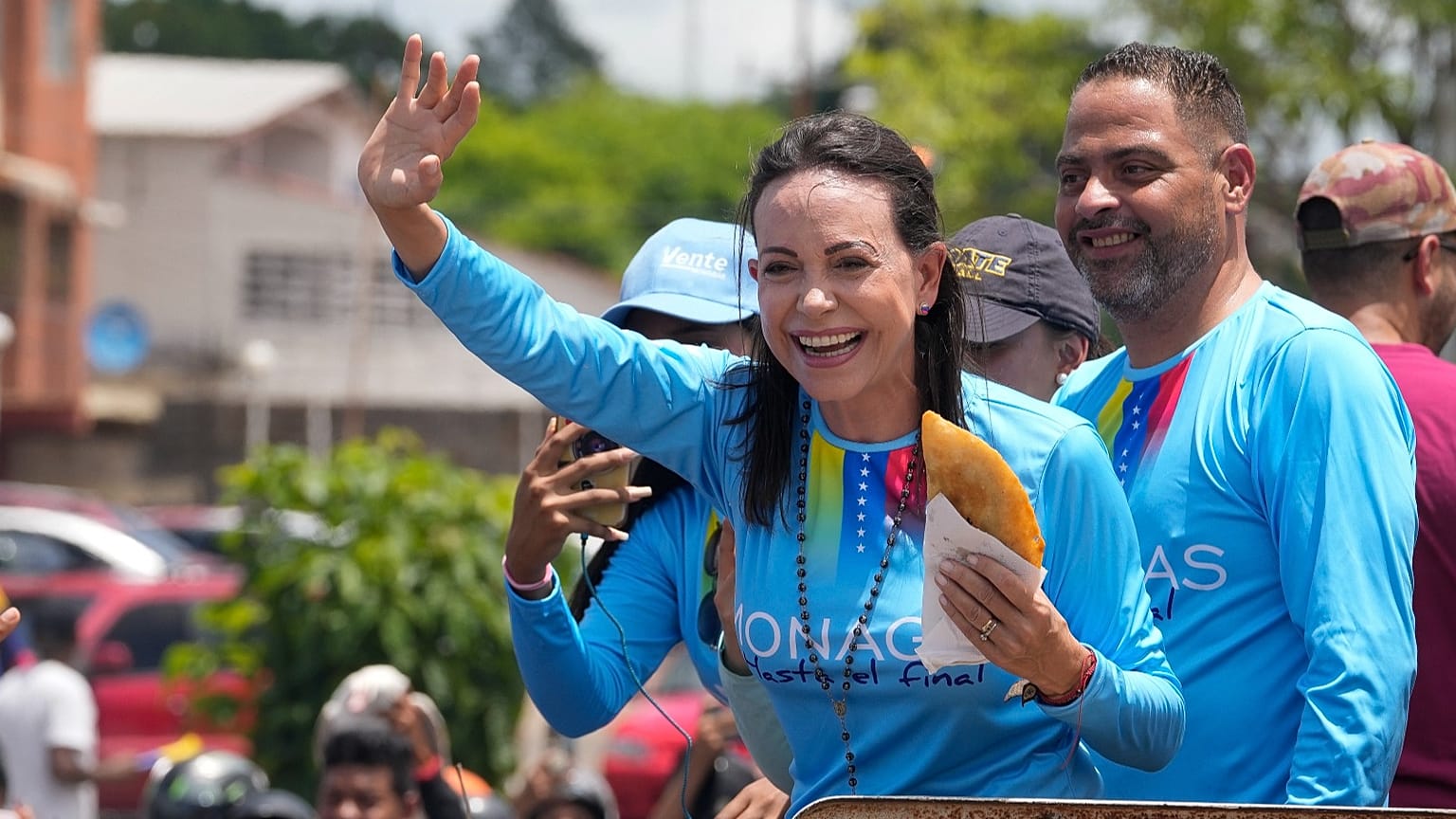
Machado was first seen attending Mass at a church in the state of Lara, where she was greeted by crowds of supporters. She subsequently traveled to the capital, Caracas, in a caravan of cheering followers. Her ally, former presidential candidate Edmundo González, confirmed her arrival on Venezuelan soil, describing the moment as a vital step for the country's sovereign voice.
Political Context and US Involvement
The return follows a period of intense political shifts. In January, following Machado's departure for Norway to accept the Nobel Peace Prize, US forces removed President Nicolás Maduro from the country. The Trump administration subsequently backed deputy Delcy Rodríguez as interim president. Machado's ability to return appears to have been contingent on approval from the US government, which facilitated reconciliation talks aimed at promoting democratic transition.
Path Toward Democracy
U.S. Secretary of State Marco Rubio stated that the conditions for Machado's safe return resulted from US-supported reconciliation efforts, which have also seen the release of political prisoners and the return of opposition figures from exile. While Machado's immediate political plans remain unconfirmed, she has previously expressed her intention to run for president if elections are held. Her spokesperson, David Smolansky, characterized her return as a major step toward free, fair, and verifiable presidential elections.