By Salma El-Sakka
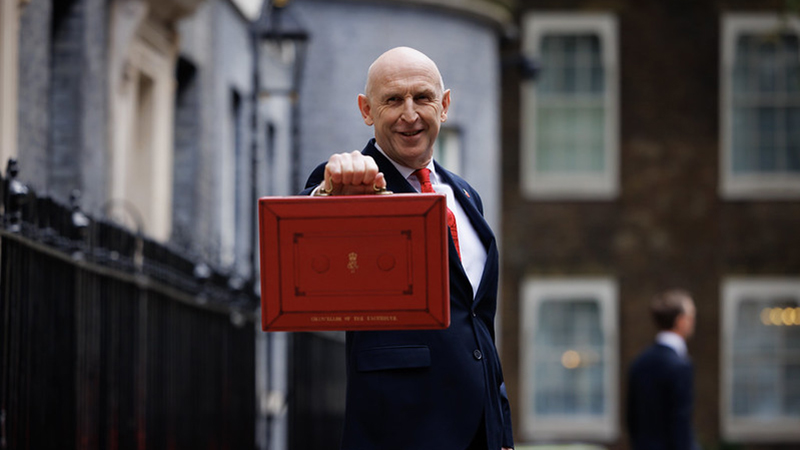
The UK government delivered a deliberately small "micro Budget" on Wednesday, avoiding radical moves in favor of stability as the country absorbs economic shocks from the Middle East conflict. Chancellor John Healey's statement was designed as an "anti-mini Budget" to prevent a repeat of the market turmoil that followed Liz Truss's unfunded tax cuts in 2022.
Markets calm despite higher borrowing
Financial markets barely reacted to the announcement of £65 billion in extra borrowing over five years, and government borrowing costs have actually fallen since the statement. The Office for Budget Responsibility forecasts the welfare bill will reach £431 billion by 2031, including pensioner support, underscoring long-term spending pressures.
Welfare and energy reforms signal future direction
The Budget sets the stage for a welfare-to-work scheme based on the Milburn Review, which will require upfront investment to subsidise job opportunities. On energy, the chancellor announced a "cheaper power" mission, adjusting levies and renewable auctions to ease cost pressures while maintaining the Net Zero commitment.
Devolution gains and looming spending review
Local mayors will be allowed to retain some additional business rate and income tax revenues, a move described as more radical than expected to incentivise regional growth. However, a tough spending review looms in the spring, with the need to fund a defence target of 3% of national income by 2030.
Prime minister's 10-year plan awaited
Prime Minister Andy Burnham did not unveil a promised "theory of growth" in this Budget, leaving details for a 10-year plan next month. The government has ruled out an election for at least a year, citing risks of 5% inflation and declining household incomes.