
By Salma El-Sakka
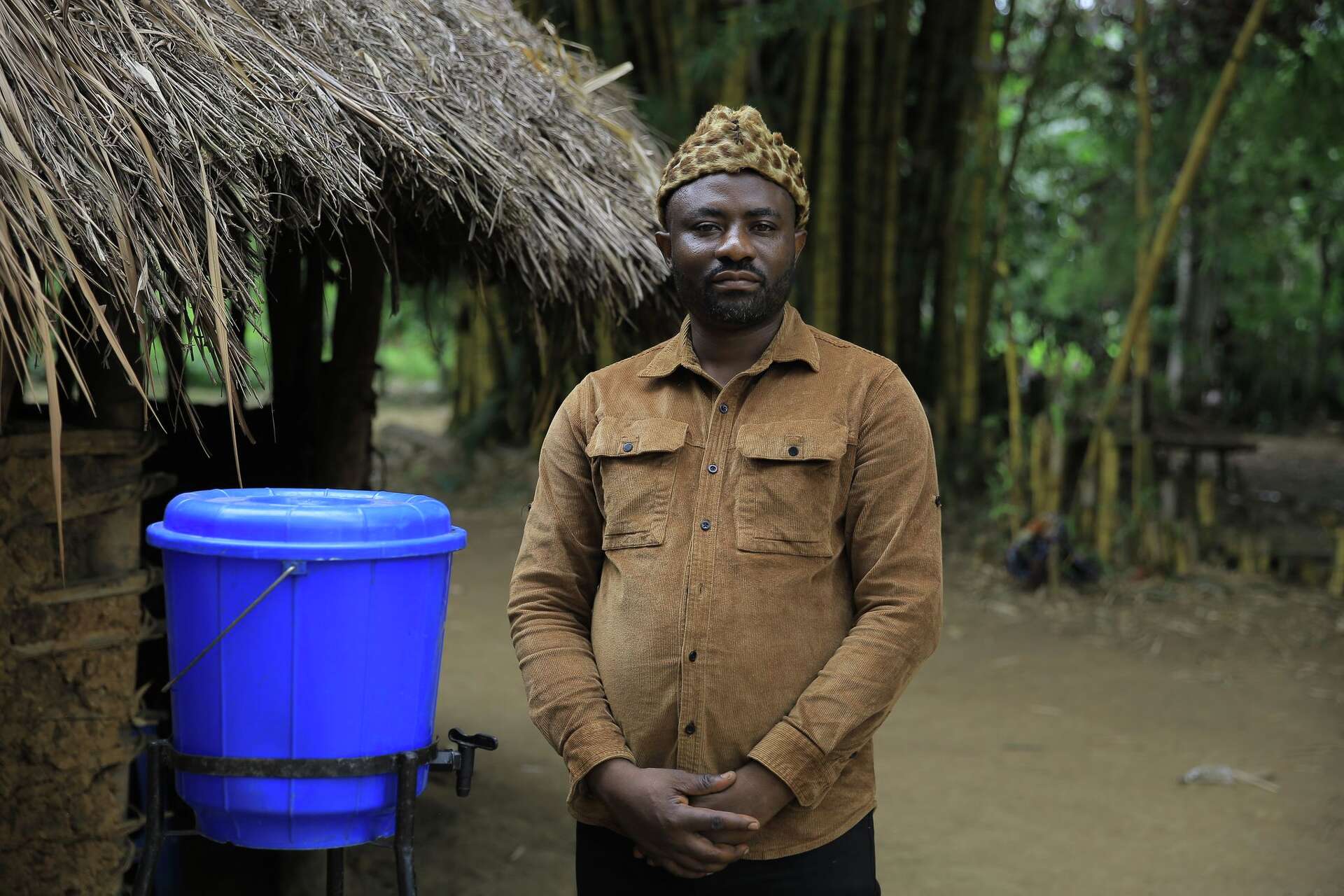
Village chief Alphonse bin Kitobi Achou Taibo in eastern Congo is fighting a dual battle: the deadliest Ebola outbreak in the country's history and the deep-rooted mistrust that drives families to reject life‑saving care.
Family tragedy and community mistrust
After each relative fell ill, the chief of Bapakombe‑Bakondo, near Beni in North Kivu province, scrambled to get them to hospital, only to be accused of taking them there to die. He ultimately lost four family members to Ebola, while eleven others survived after he insisted on hospital treatment. The chief said the biggest enemy is prevailing mistrust, where many liken Ebola to poison and some local pastors associate it with evil spirits.
Outbreak scale and challenges
The outbreak, declared in May, is caused by the rare Bundibugyo virus for which there is no approved vaccine or treatment. Congo's Ministry of Health reports more than 10,000 confirmed cases and over 4,800 deaths. The disease has spread to four other African countries, with active transmission in two. Response teams contend with armed conflict, poor roads, and violence fueled by misinformation.
Traditional medicine and violence
Traditional clinics attributed early deaths to poisoning, administering potions that worsened patients' conditions. Fear has turned violent: youths have burned homes accusing residents of witchcraft. Last Saturday a nurse was killed and another health worker injured while responding to an Ebola alert in Bafwasende, Tshopo province. WHO regional director for Africa Mohamed Yakub Janabi condemned the attack, stating misinformation and fear must never fuel violence.
Stigma follows survivors
Survivors face ongoing rejection. The chief's cousin, Zawadi Kavira Musubao, was evicted after health workers disinfected her home, with her landlord claiming the operation brought evil spirits. Without a job since her illness, she now hopes to raise money to sell tomatoes and small fish.
Chief's ongoing efforts
Achou Taibo continues to urge community members to report symptoms and enter treatment centers, providing food and financial support where he can. He frequently addresses hostile crowds, insisting: "You have to speak in front of people and fearlessly tell them the truth."


