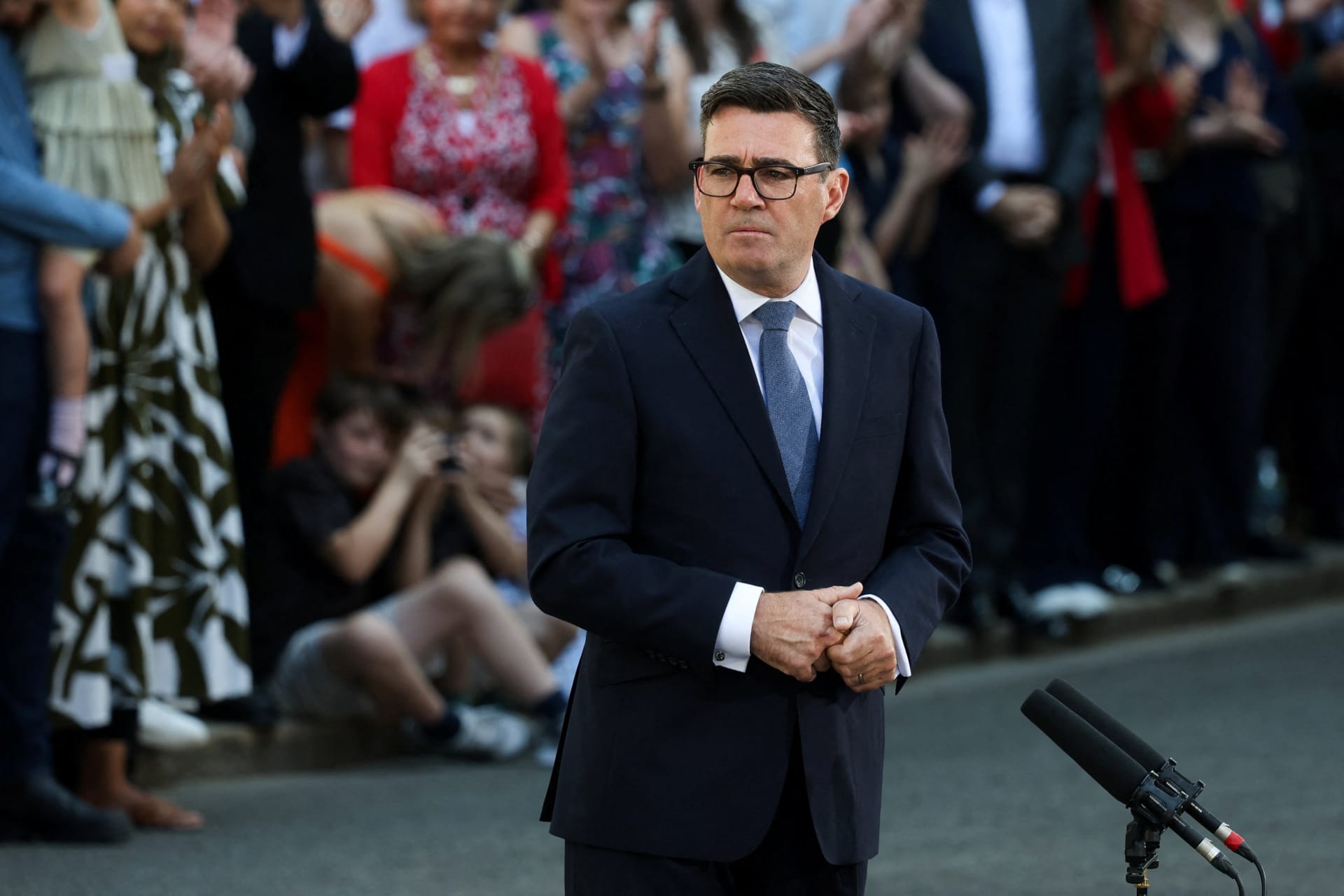
By Salma El-Sakka
Prime Minister Andy Burnham has reignited the sensitive political debate surrounding Brexit by calling for an honest discussion regarding the possibility of returning to the free movement of workers between the United Kingdom and the European Union.
A Complex Political Hurdle
While Burnham has expressed a commitment to a domestic focus and national unity, his proposal to revisit freedom of movement has drawn both support and criticism. This comes ahead of a reset summit scheduled for November, which is intended to address less contentious issues such as food and drink border checks, EU energy trading, and a youth mobility scheme.
Economic Realities and Public Opinion
The discussion follows years of economic shifts since the 2016 referendum. Estimates suggest that Brexit has made Britain poorer by approximately six to eight percent, a gap that could potentially fund social care and defense. Additionally, demographic shifts and the real-world economic experiences of the last few years have altered public perception regarding the impact of leaving the EU.
The Migration Debate
Despite changing economic data, freedom of movement remains a highly charged political issue. Burnham has indicated that Britain has several options, ranging from maintaining the status quo to seeking closer defense cooperation or joining the EU customs union, neither of which would necessitate unfettered freedom of movement. However, full membership or joining the Single Market would require significant changes to immigration policy.
Addressing Labor Concerns
To move forward, proponents of closer ties argue that misconceptions must be addressed, such as the idea that EU workers deprive young British people not in education, employment, or training (NEETs) of jobs. Critics note that the number of NEETs has risen to one million, a trend attributed more to post-pandemic economic issues than immigration. Furthermore, post-Brexit migration from the rest of the world has largely replaced the previous patterns of EU migration.