By Islam El-Sakka
King Khalid International Airport in Riyadh partially resumed operations on Sunday, following a suspension of service caused by a deadly Houthi assault on October 10. The attack, which left 13 people dead, was the deadliest strike against the kingdom in over a decade.
Limited Flight Resumption and Security Concerns
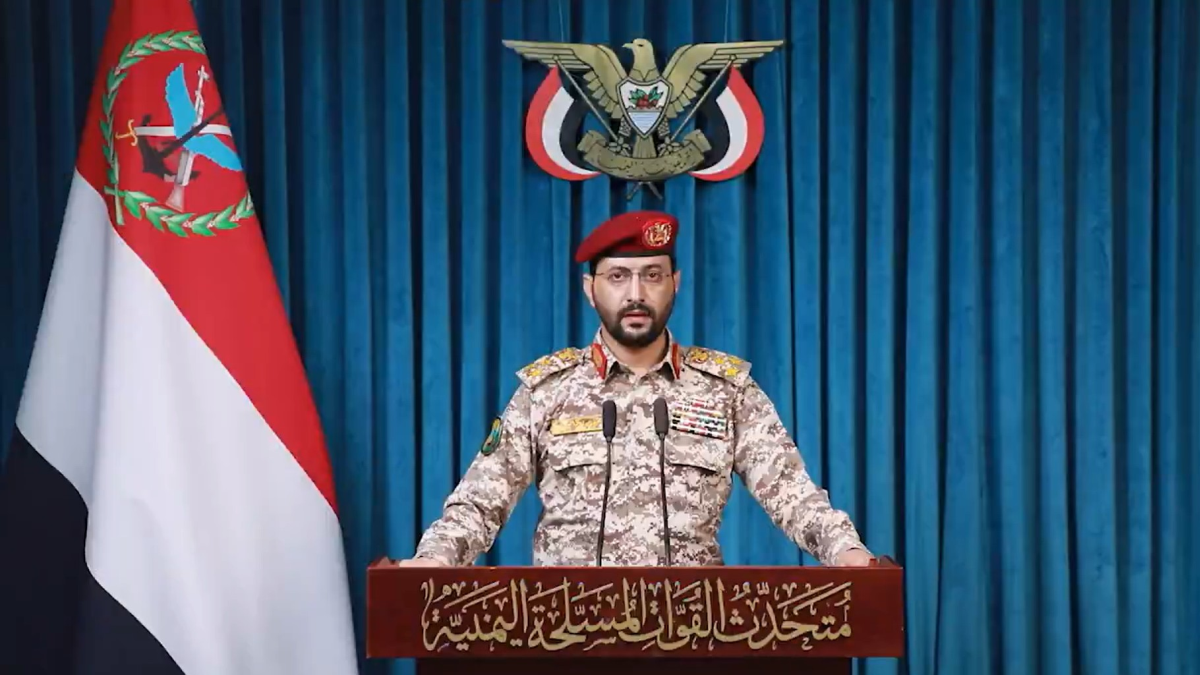
Under the new operational plan, Terminal 1 has been designated for domestic flights, while Terminal 2 will handle international flights operated by national carriers. Despite this reopening, flight tracking data from Flightradar24 indicated very little air traffic at the hub on Sunday. Houthi military spokesperson Yahya Saree issued a warning stating the airport would "never be safe," urging airlines and travelers to avoid the facility.
Ongoing Missile and Drone Attacks
Saudi authorities reported intercepting a new barrage of drones and missiles on Sunday as hostilities escalated. The Saudi-led coalition stated it intercepted two drones and a ballistic missile aimed at Riyadh, along with a cruise missile directed at Khamis Mushait, and 10 additional ballistic missiles targeting southern Saudi Arabia. In Khamis Mushait and Ahad Rafidah, shrapnel from intercepted ballistic missiles reportedly injured two people and caused damage to residential buildings and vehicles.
Regional Escalation and Maritime Security
The renewed fighting in Yemen has effectively ended the UN-brokered truce that had been largely in place since 2022. Tensions have risen following the Houthi seizure of strategic territory along the Red Sea coast, threatening the Bab el-Mandeb Strait, a critical global shipping route. The conflict has increasingly positioned Saudi Arabia as a significant pressure point within the broader regional tensions involving Iran and its allies.