
By Fatma Younis
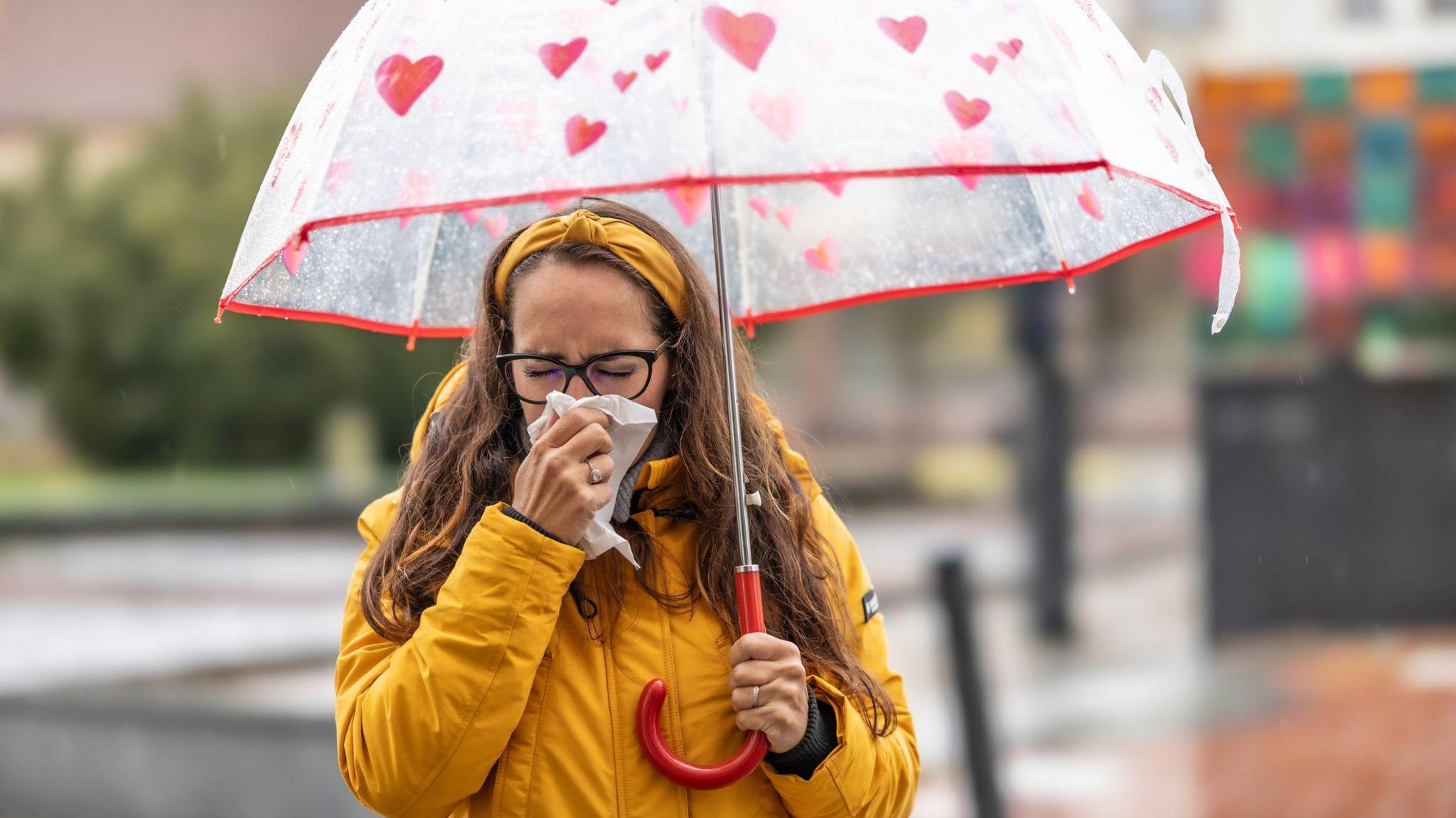
As temperatures drop, a noticeable rise in sniffles and sneezes spreads through offices and homes. Dr Nikki Ramskill, a GP and founder of the Female Health Doctor Clinic, explains the reasons behind the seasonal surge in illnesses.
Viruses More Active in Cold Weather
Viruses that cause flu and the common cold become more active in cold weather and circulate faster during autumn and winter, Ramskill said. Flu is caused by influenza viruses, while the common cold is usually caused by rhinoviruses, meaning the flu vaccine reduces flu risk but does not prevent colds.
Covid and Norovirus Also Prevalent
Covid-19 and norovirus are also common at this time of year, the GP added.
Common Cold Symptoms
The main symptoms of a cold include a blocked or runny nose, sneezing, sore throat, hoarse voice, cough, and feeling tired and unwell. Some people may also experience a high temperature, aching muscles, loss of taste and smell, and a feeling of pressure in the ears and face.


