By Sohaib Shams
Beneath UK gardens and farmland lies a microscopic ecosystem essential for storing carbon, protecting landscapes, and sustaining food production. Healthy soil contains billions of bacteria, fungi, and other microorganisms per teaspoon, forming a complex food web that recycles nutrients and builds fertility. As climate pressures intensify, restoring this hidden biological engine is proving critical for the future of British nature and agriculture.
The Hidden Ecosystem Beneath Our Feet
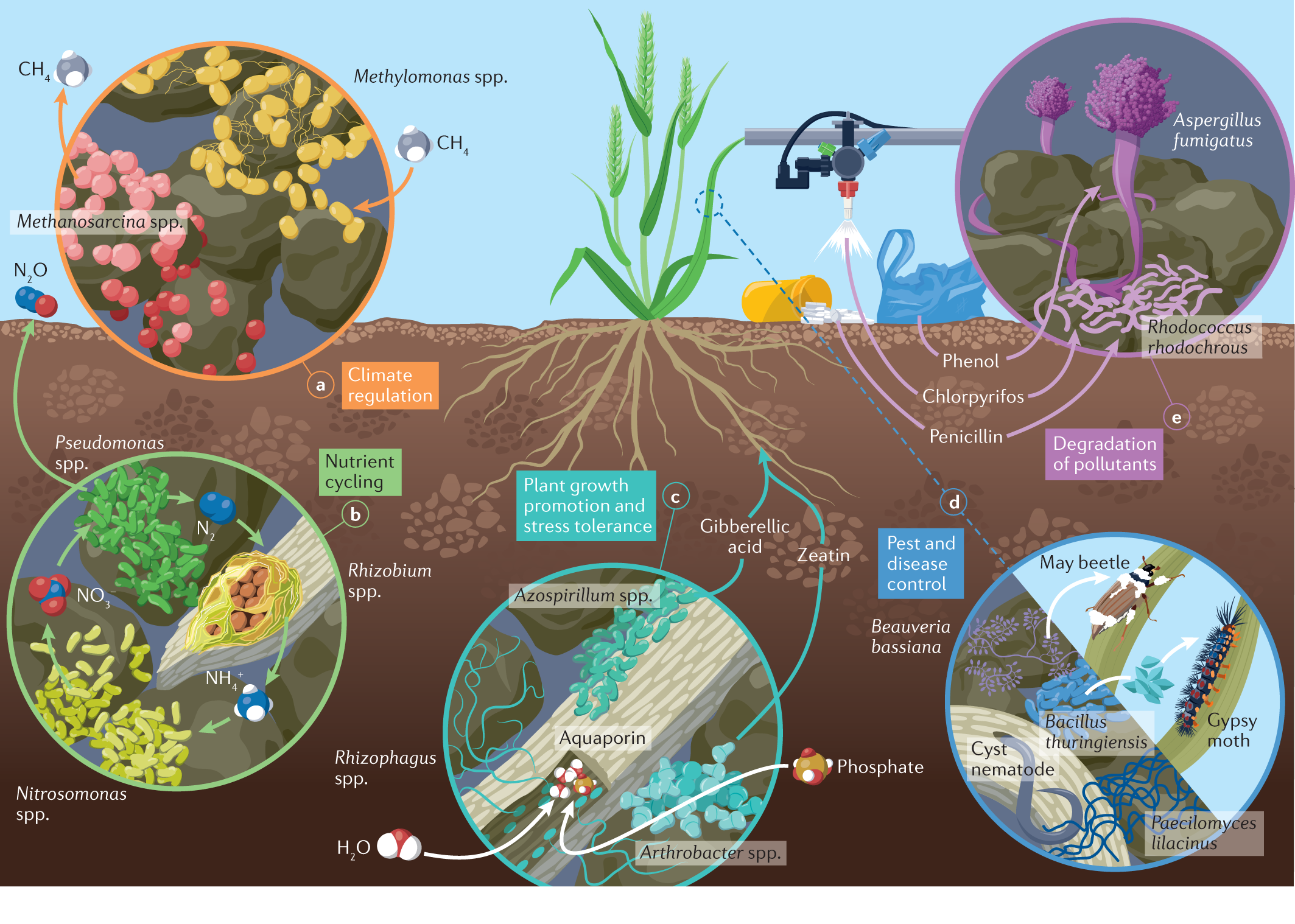
In healthy soil, a single gram holds approximately one billion bacteria, one million fungi, one million protists, and several hundred nematodes, according to the European Soil Data Centre. These organisms, along with springtails, protozoa, rotifers, and beneficial fungi, break down organic matter and create the living foundation for plant growth. Living crops feed microbes by exuding sugars through their roots, while decomposing plant residues sustain a continuous cycle of biological activity.
Carbon Loss and Soil Degradation
UK arable soils have lost between 40 and 60 percent of their organic carbon over recent decades, a 2019 Environment Agency report shows. Post-war intensive farming practices, including frequent mechanical tillage and heavy machinery, disrupted soil structure and released stored carbon. Leaving fields bare between crops exposed topsoil to erosion, while removal of hedgerows for larger fields increased vulnerability to wind and rain. Today, up to 40 percent of soils in England and Wales are considered at risk of losing topsoil.
Regenerative Agriculture Restores Soil Health
Regenerative farming aims to reverse this decline through practices such as year-round cover crops, reduced synthetic fertiliser use, hedgerow planting, and agroforestry. These methods protect topsoil, build natural fertility, restore biodiversity, and improve water retention. Healthy, porous soils act like sponges, absorbing heavy rainfall to reduce flood risk and holding moisture during droughts. Corporate partnerships, including Purina's work with Landscape Enterprise Networks (LENs), now support 110 UK cereal farmers adopting these practices across 8,000 hectares.
Three Ways Healthy Soil Mitigates Climate Change
UK soils store an estimated 10 billion tonnes of carbon. Keeping soil undisturbed locks more carbon underground. Healthy soil also provides natural flood and drought resilience by absorbing heavy rain and retaining moisture. Additionally, planting leguminous cover crops like clover enriches soil with natural nitrogen, boosting biodiversity without synthetic chemicals.
Simple Steps for Home Gardeners
Individuals can support soil health at home by adopting a "no-dig" approach in flower beds to preserve underground carbon and microbial networks. Mulching garden beds with fallen leaves or bark helps prevent erosion and retain moisture. Mixing white clover into lawns naturally feeds soil and supports pollinators without synthetic fertilisers.