By Basant El-Faramawy
The United Nations General Assembly overwhelmingly voted Wednesday to condemn the longstanding U.S. economic embargo of Cuba, but the 130-17 result with 25 abstentions marked a significant shift from previous years. For the first time in 34 years, several traditional supporters of the resolution either abstained or voted against it, a change attributed to pressure from the Trump administration.
Shifting alliances
Germany, Italy, and Latvia abstained for the first time in three decades, while Lithuania, Slovenia, and the United Arab Emirates broke from their historic positions by voting against the resolution. Costa Rica, Colombia, Trinidad and Tobago, Honduras, and Chile — nations that have traditionally backed Cuba's efforts — also opposed the measure or abstained. Last year's vote was 165-7 with 12 abstentions.
Diplomatic confrontation
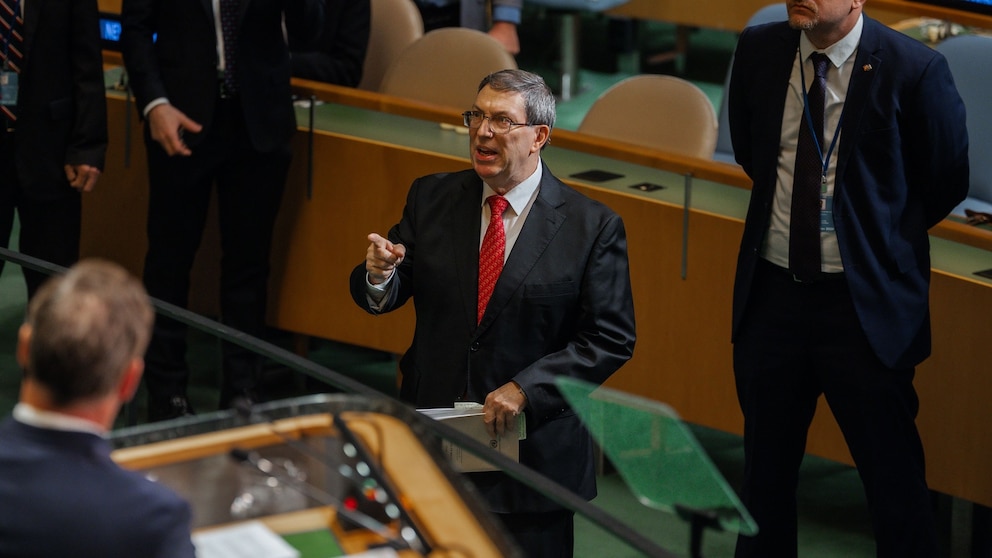
The vote followed a heated exchange on the General Assembly floor between U.S. Ambassador to the UN Mike Waltz and Cuban Foreign Minister Bruno Rodríguez. During debate on the embargo resolution, Rodríguez approached the podium and called Waltz a liar, prompting a shouting match that required UN security intervention. Waltz responded by asserting U.S. dominance, telling Rodríguez, "You understand who you're dealing with? This is America. Back up." Rodríguez later posted on X that Waltz was at the UN, not a White House national security meeting, and accused the U.S. of using "crude lies" to justify its "economic aggression" and "criminal energy blockade" against Cuba.
Escalating pressure
The diplomatic clash reflects a new phase of contentiousness between Washington and Havana. A week earlier, Waltz had a similar confrontation with Cuban official Ernesto Soberón Guzmán outside a U.S.-hosted panel on Cuban dissidents. The Trump administration has intensified its economic campaign, announcing in January tariffs on any country selling or providing oil to Cuba. That warning has effectively cut off fuel to the island, causing widespread power outages affecting cooking, water supply, internet, and telephone services. The U.S. embargo was first imposed in 1960 after Fidel Castro's revolution nationalized U.S.-owned properties.