
By Karim Hammam
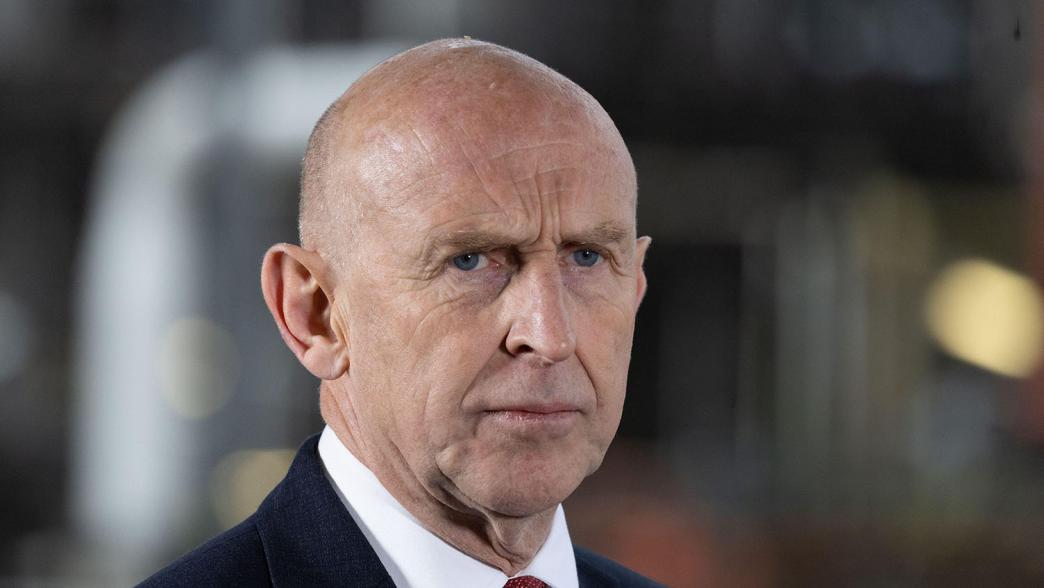
Chancellor John Healey delivered his first Budget on Wednesday, unveiling a £100 energy bill discount for the poorest homes but facing immediate warnings that the package leaves a grim picture for household incomes.
Key Measures for Households and Businesses
The Budget extends the VAT cut on electricity bills and raises the minimum wage by 3.9% for 2.3 million workers, aiming to give "breathing space" amid economic uncertainty. Around 20 million households in council tax bands A to C will receive up to £116 off energy bills, though the Resolution Foundation said this would cover less than a fifth of the expected £600 rise in average bills by 2027.
Tax Increases and Revenue Raising
Healey announced a 2% increase on tax rates for income from property and savings from April, and a temporary doubling of the bank surcharge from 3% to 6% for 15 months. The business rates threshold will rise from £12,000 to £18,000, removing 70,000 high street retailers from the tax, funded by ending exemptions for vape shops and gambling outlets. The overall tax burden is set to reach a new high, even as 300,000 people will pay no tax and 200,000 will pay less.
Pension and Savings Changes
A new pension tax allowance will prevent pensioners with incomes at or below the full new state pension from paying tax. The Lifetime ISA is replaced by a First Time Buyer ISA and a "Your First Home" scheme to aid home ownership, while the tax-free cash ISA limit stays at £20,000, reversing a previous plan to cut it to £12,000.
Support for Ukraine and Gambling Duty
The Budget allocates an extra £10bn in economic and military aid to Ukraine, plus £500m in urgent military funding this winter. Duty on gambling machine games rises from 20% to 25%.
Watchdog and Expert Warnings
The Office for Budget Responsibility said the UK's economic and fiscal position remains "very challenging" after nearly two decades of shocks and stagnation. Professor David Miles of the OBR's Budget Responsibility Committee warned of "virtually no growth in per person real household disposable income" since before Covid, calling it a "pretty grim picture." Institute for Fiscal Studies director Helen Miller described the measures as a "raft of fiddly measures but very little that will move the dial on growth," and warned of higher rents due to property tax hikes.
Political Reaction and Election Speculation
Conservative leader Kemi Badenoch said the Budget fails to clean up "Labour's mess," accusing the government of overspending, over-borrowing and overtaxing. The Tories called the delay in setting out defence spending to 3.5% of GDP a "dereliction of duty," while Liberal Democrats labelled it "shameful." Despite speculation that the Budget's popular measures could trigger an early election in May 2027, Prime Minister Sir Keir Starmer ruled out a vote within the next 12 months.


