
By Fatma Younis
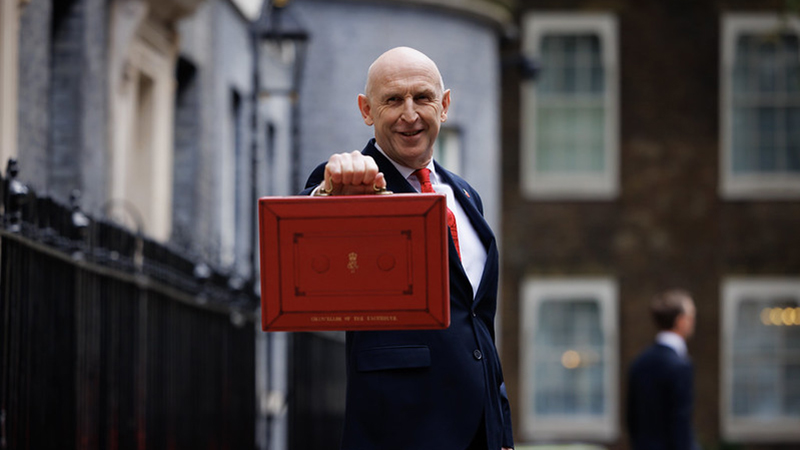
Chancellor John Healey unveiled his first Budget on Wednesday, offering households a £100 energy payment and extending a fuel duty cut while scrapping plans to limit cash ISA allowances. The measures come as energy bills are forecast to rise sharply in January, adding to cost-of-living pressures.
Energy bills
Households in council tax bands A to D in England will receive a one-off £100 "Household Energy Payment" from January, funded by a new tax on banks. The payment goes directly into bank accounts and can be spent on anything. Scotland, Wales and Northern Ireland will receive equivalent funding to decide on similar schemes. The VAT cut on electricity bills, introduced in October, will also be extended to July.
Gas standing charges
Fixed daily gas standing charges will be scrapped in England, Scotland and Wales next year, shifting the cost onto unit prices. The Treasury estimates 60% of households will save an average of £45 annually, though higher users in large homes or low-income families may pay more. Reforms to electricity standing charges are planned for later.
Fuel duty
The 5p per litre cut in fuel duty on petrol and diesel, introduced in 2022, will be extended to July instead of being phased out in January. Drivers will continue paying 52.95p per litre. The extension follows sharp price rises linked to the Iran war, with diesel recently exceeding £2 per litre.
Cash ISA changes scrapped
Plans by former chancellor Rachel Reeves to reduce the annual cash ISA limit from £20,000 to £12,000 for under-65s from April 2027 have been ditched. Instead, the government will create a new "Starter ISA" for first-time investors.
Savings and landlord tax
From April, savings tax rates above the annual allowances will rise by four percentage points to 24% for basic-rate taxpayers and 44% for higher-rate taxpayers. The Office for Budget Responsibility warned that combined with past measures reducing landlord returns, rents could rise steadily.
Minimum wage rise
The National Living Wage for workers aged 21 and over will increase 3.9% to £13.21 an hour in April. Rates for 18-20 year olds rise to £11.27, and for 16-17 year olds to £8.31. The apprentice rate also rises to £8.31. Income tax thresholds remain frozen, meaning pay rises could push more earners into higher tax brackets.
State pension
The triple lock will raise the state pension by 3.9% in line with wage growth. The new flat-rate pension will reach £250.70 a week (£13,036.40 a year), while the old basic pension rises to £192.10 a week (£9,989.20 a year). A new Pension Tax Allowance ensures pensioners with income up to the full new state pension pay no income tax until at least 2030.
First-time buyers
The Lifetime ISA penalty for buying homes above £450,000 will be scrapped, and a new First Time Buyer ISA is planned to replace it. The "Your First Home" equity scheme will allow first-time buyers in England to purchase new-build homes with a 2.5% deposit, backed by a government loan worth 20% of the property value.
Student loans
No changes were made to student loan rates, which remain under review. The repayment threshold for Plan 2 loans stays frozen at £29,385 until 2028, meaning graduates repay sooner and more each month.
Other measures
Tariffs on 100 food items are removed, potentially saving households up to £21 annually. Carers will gain a taper mechanism to earn more without losing allowances, effective from 2030. Self-employed fathers will receive two weeks of paternity pay. A permanent 55p per mile tax-free mileage rate applies for up to 10,000 work miles, rising to 35p above that. The £2 bus fare cap in England will be reinstated from January through 2027.


