
By Fatma Younis
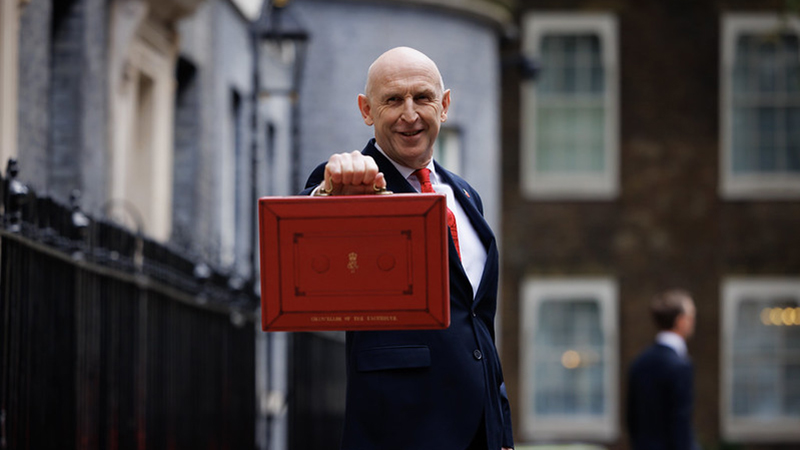
Chancellor John Healey announced a £100 Household Energy Payment for up to 20 million homes in council tax bands A to D, extended the temporary removal of VAT from domestic electricity bills until July 2027, and confirmed plans to abolish gas standing charges for around 23 million households in 2027.
Household Energy Payment
The £100 payment will be made directly into eligible households' bank accounts to help with winter energy costs. The government has not yet confirmed when payments will arrive or whether consumers will need to apply. Eligibility is based on the property's council tax band, not the number of occupants.
VAT relief on electricity
The temporary removal of VAT from domestic electricity bills, introduced on 1 October, will continue until July 2027. The measure applies to both fixed and variable tariffs and is estimated to reduce the annual energy price cap by around £50 compared with what it would otherwise have been. Actual savings depend on electricity consumption.
Gas standing charges to be abolished
The government plans to scrap gas standing charges for around 23 million households in 2027, or as soon as possible afterwards. Under Ofgem's current price cap, the average gas standing charge is 29.68p a day, or approximately £108 annually. The costs will be transferred into gas unit rates. The Treasury estimates 60 per cent of gas account holders could save an average of £45 a year, while higher users may pay more. Electricity standing charges are not being abolished.
Impact on families, couples and single occupants
Families in council tax bands A to D qualify for the £100 payment regardless of household size. Larger families with high electricity use may benefit more from the VAT extension, but those with high gas consumption could see smaller savings once higher unit rates replace standing charges. Low-income families may also receive the £150 Warm Home Discount and Cold Weather Payments during freezing periods.
Couples in eligible council tax bands also receive the £100 payment. Those with modest gas use could see lower bills after standing charges are removed, while higher gas users may save less. Older couples may qualify for Winter Fuel Payments worth £100 to £300, and those on means-tested benefits may receive the Warm Home Discount.
Single occupants could benefit proportionally more from abolishing gas standing charges, as fixed daily fees currently make up a larger share of low-consumption bills. They also qualify for the £100 payment if in bands A to D. Eligible single pensioners may receive winter heating support, and those on qualifying benefits could get the Warm Home Discount.
Energy saving advice
Households are encouraged to check eligibility for discounts such as the Warm Home Discount, compare fixed energy tariffs, lower thermostat settings by 1°C, reduce hot water use, and run appliances efficiently. Homeowners can explore the Warm Homes Loan Scheme for subsidised finance for solar panels, batteries and heat pumps. Those struggling with payments should contact their supplier for repayment plans or hardship support.


