
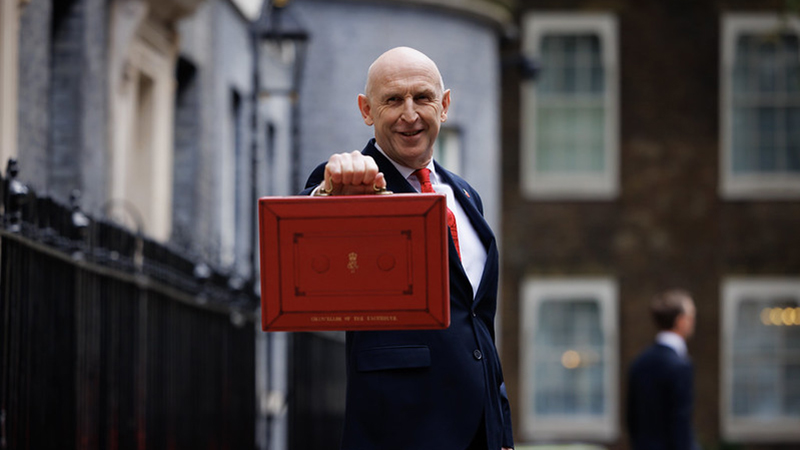
By Ahmed Abdelsalam
Chancellor John Healey delivered his first Budget on 28 October 2026, announcing a raft of measures aimed at easing the cost of living while deferring detailed defence funding plans to next year's spending review. The statement addressed energy bills, business rates, gambling taxes, wages, pensions, fuel duty, banking levies, housing, and regulatory burdens.
Energy bills help
Healey extended the VAT cut on electricity bills until July, reducing the annual price cap by £50. A £100 household energy payment will go to council tax bands A to D to cover bills through spring. Standing charges on household gas bills will be removed, with similar reforms promised for electricity.
Business rates relief
Hospitality firms will see the threshold for rate relief raised from £12,000 to £18,000, exempting 17,000 small businesses from rates entirely. The chancellor said half of shops, restaurants and gyms would pay no rates, while others in the sector receive a real-terms freeze for two years.
Gambling tax and online retailers
Machine Games Duty on higher-stakes machines will rise from 20% to 25% to fund high street support. Adult gaming centres and vape shops will be carved out of business rate reliefs, and the Transitional Relief Supplement will be extended for two years. Online marketplaces such as Amazon, eBay and Temu will face stronger requirements to collect VAT from third-party sellers.
Minimum wage and pensions tax allowance
The national minimum wage and national living wage will increase by 3.9%. Pensioners with income up to the full new state pension will pay no income tax this parliament. The mineworkers' pension fund surplus will be fully transferred to miners. Carers will no longer face a cliff-edge loss of allowance; support will taper by £1 for every £1 earned above the threshold.
Fuel duty
The planned 3p per litre rise in January has been cancelled. The 5p fuel duty cut will be extended to July 2027. The higher mileage rate for work-related travel rises from 25p to 35p per mile, and the standard mileage rate increase made permanent.
Bank tax
The Bank Surcharge will increase by 3 percentage points to 6% for 15 months from January, raising funds for immediate energy bill support.
Defence spending
Healey confirmed the government will set out at next year's spending review how to meet the NATO target of 3.5% of GDP on defence by 2035, with an interim 3% goal for 2030. The £5bn Defence Investment Plan announced in May will be funded through public spending reviews.
Your First Home scheme
The Lifetime ISA will be replaced by a First Time Buyer ISA, removing the penalty for purchases above £450,000. A new equity loan scheme, "Your First Home", backed by £4.7bn of government lending, launches next spring for buyers without parental support.
Triple lock adjustment
The state pension triple lock will be modified by 2030, removing average earnings growth as an annual measure. The change aims to save £15bn annually by the late 2030s and £50bn by 2050 while keeping pensions linked to earnings and inflation.
ISA limits
The tax-free cash ISA limit remains at £20,000, reversing a proposed cut to £12,000. A new "Starter ISA" will be developed to encourage first-time investors.
Tariff cuts on food
Import tariffs on over 100 products, including baked beans, gherkins, chocolate, jams, garlic, toffees, kerosene and fertilisers, will be removed to lower supermarket prices.
Tax-free mileage rates
The 55p per mile rate for the first 10,000 business miles is made permanent, while the rate above 10,000 miles rises from 25p to 35p.
Parental leave for self-employed fathers
Self-employed fathers and partners become eligible for paid parental leave for the first time, receiving two weeks at up to £194 per week. The Treasury estimates over 150,000 parents will benefit annually.
Carer's allowance reform
Unpaid carers will no longer lose their entire allowance for exceeding the earnings limit; instead, £1 of support will taper for every £1 earned above the threshold.
Red tape cuts
Businesses are projected to save around £800m from streamlined reporting, eased duplicative burdens for asset managers, simplified property transaction processes, and a one-year extension of tariff suspensions on more than 250 products across chemicals, plastics, automotive, and food sectors.


