By Salma El-Sakka
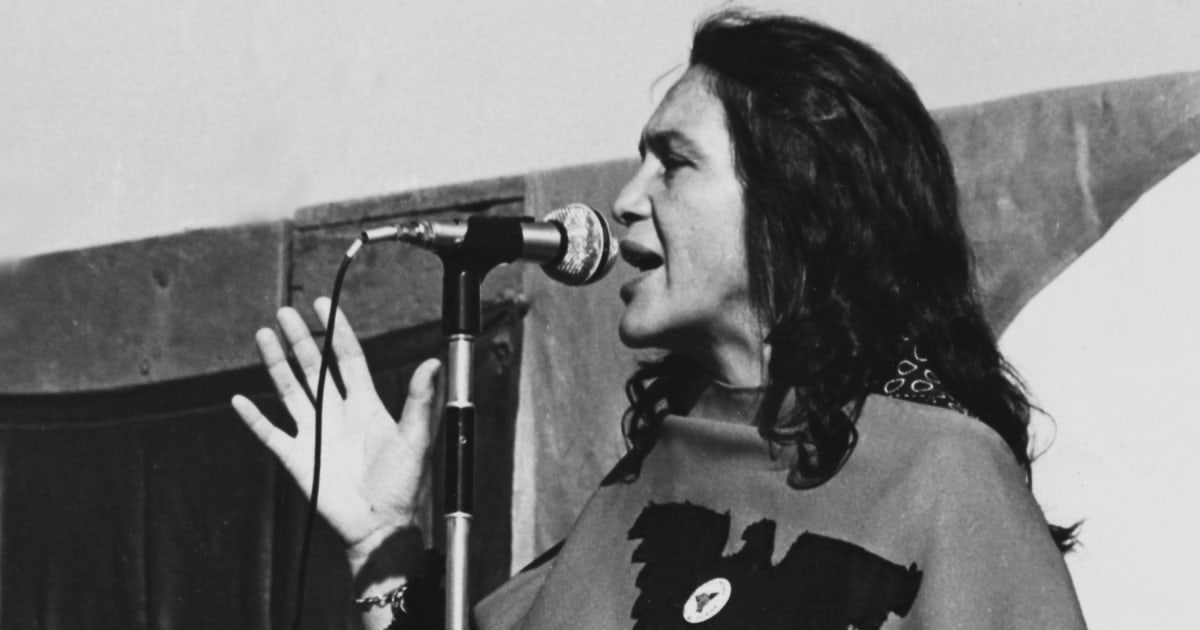
Dolores Huerta, the pioneering Latina civil rights leader who co-founded the United Farm Workers union with César Chávez, has died at age 96, her family announced. Huerta spent decades fighting labor injustices and political, racial, and gender inequalities, becoming one of the most recognized Latina activists in U.S. history.
Co-founding the United Farm Workers
Huerta met Chávez in 1955 and together they launched the National Farm Workers Association in 1962, a forerunner to the United Farm Workers (UFW). She coined the movement's rallying cry, "Sí se puede" (Yes we can), and organized strikes, boycotts, and grassroots campaigns that won farmworkers the right to collective bargaining. Millions of Americans joined grape and lettuce boycotts from the mid-1960s to the mid-1970s.
Decades of activism and recognition
Huerta was arrested more than 25 times for nonviolent civil disobedience, including at age 89 during a 2019 protest for home health care workers. She was the first Latina inducted into the National Women's Hall of Fame in 1993 and received the Presidential Medal of Freedom from President Barack Obama in 2012. Upon accepting the honor, she said, "The great social justice changes in our country have happened when people came together, organized and took direct action."
Personal life and later revelations
Born in 1930 in New Mexico, Huerta grew up in Stockton, California, and worked as a teacher before becoming a community organizer. She had 11 children across three relationships. Earlier this year, Huerta revealed in a New York Times investigation that Chávez had sexually abused her in 1960 and 1966, a secret she kept for nearly 60 years. "I carried this secret for as long as I did because building the movement and securing farmworker rights was my life's work," she stated.
Legacy and foundation
Huerta founded the Dolores Huerta Foundation in 2003 to pursue social justice through systemic transformation. In her later years, she warned of threats to democracy, including fascism and voter suppression, while maintaining optimism in collective action. "When people come together and take collective action... this is how we make change," she said in 2020.